To spot fake ‘Safety Certified’ labels, examine the labels closely for inconsistencies like blurry images, misspellings, or uneven borders. Verify security features such as holograms, QR codes, or serial numbers using official verification methods or manufacturer websites. Be cautious if the product comes from unfamiliar sources or if prices seem too good to be true. Paying attention to these details helps protect you from counterfeit labels—keep going to learn more about authenticating safety markings.

Get decor and gifts delivered free with Prime
- Fast, free delivery on millions of items
- Prime Video, Amazon Music and more included
- Member-only deals all year
Key Takeaways
- Check for inconsistencies in font, color, or logo placement on the label.
- Look for security features like holograms, QR codes, or serial numbers and verify them.
- Purchase from trusted retailers and review seller feedback to ensure authenticity.
- Familiarize yourself with official markings and symbols for the certified product.
- Use official verification channels to confirm the label’s legitimacy before trusting it.
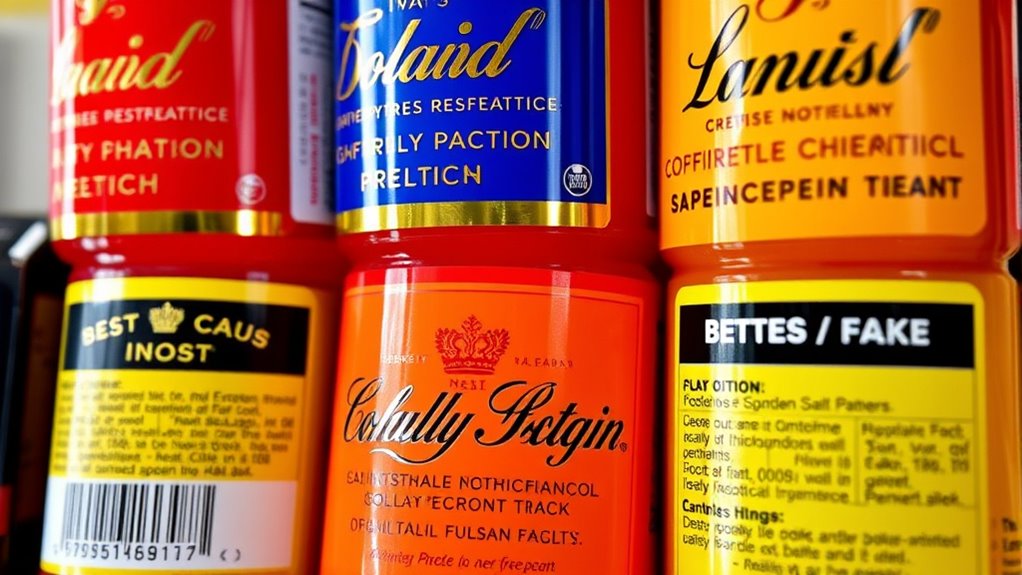
With the rise of counterfeit products, fake ‘safety certified’ labels have become a growing concern for consumers. It’s natural to feel skeptical when you see a product claiming to meet safety standards, especially if the label seems suspicious or poorly designed. Your instinct to question the authenticity of the label is valid, as counterfeiters have become increasingly sophisticated at mimicking official markings. To protect yourself, you need to develop a keen eye for verifying label authenticity. Start by examining the label closely—look for inconsistencies in font, color, or logo placement. Genuine safety labels usually feature high-quality printing, clear text, and precise graphics. Blurry images, misspellings, or uneven borders are red flags that the label may be fake.
Examine labels closely for inconsistencies, high-quality printing, and clear graphics to spot fake safety certifications.
Another critical step is to check for official security features. Many legitimate safety certifications include holograms, QR codes, or serial numbers that can be verified online or through official channels. Use your smartphone to scan QR codes or check the serial number against the manufacturer’s website. If the code doesn’t lead anywhere or the serial number isn’t recognized, it’s a strong sign that the label isn’t authentic. Remember, reputable certification bodies often have databases or verification portals—don’t rely solely on visual cues. Additionally, understanding vetted certification standards can help you better identify legitimate labels and avoid counterfeit ones.
You should also be aware of the source of the product. Purchase from trusted retailers or authorized distributors whenever possible. If you’re buying online, review seller ratings and customer feedback. Be cautious of prices that seem too good to be true; heavily discounted items or products from unfamiliar sources often come with counterfeit labels. Trust your instincts—if something feels off, take the time to verify before making a purchase.
In addition to visual and source verification, familiarize yourself with the official standards and markings relevant to the product. Many safety labels include specific symbols or abbreviations that you can cross-check with official documentation. Some counterfeit labels may try to imitate these symbols but lack the precise details or placement of authentic ones. Educating yourself about the typical features of genuine labels helps you distinguish real from fake.
Ultimately, your vigilance is your best defense against fake ‘safety certified’ labels. Consumer skepticism isn’t a sign of distrust but a smart approach to safeguarding your health and safety. By paying close attention to label details, verifying authenticity through official channels, and purchasing from reputable sources, you can considerably reduce your risk of falling for counterfeit products. Always stay informed and cautious—your safety depends on it.
security hologram verification tools
As an affiliate, we earn on qualifying purchases.
As an affiliate, we earn on qualifying purchases.
Frequently Asked Questions
Are Fake Safety Labels Regulated or Illegal?
Fake safety labels are illegal and not regulated, making them a serious concern. When you encounter counterfeit markets or suspect product tampering, be cautious, as these fake labels aim to deceive consumers. You should verify safety certifications through official sources, as counterfeiters often exploit the lack of regulation to sell unsafe products. Protect yourself by staying vigilant and reporting suspicious labels to authorities to prevent dangerous products from reaching others.
Do Counterfeit Labels Often Come From Specific Countries?
Counterfeit labels often come from manufacturing hubs in countries known for producing fake goods, like China and certain Southeast Asian nations. These regions can flood markets with counterfeit origin labels, making it feel like a tsunami crashing over genuine products. You should be extra cautious when buying, inspecting labels carefully and trusting reputable sources. Recognizing these manufacturing hubs helps you spot fakes before they reach your hands, saving you from potential hazards.
Can Authentic Safety Labels Be Duplicated Digitally?
Yes, authentic safety labels can be duplicated digitally, but advanced techniques like digital watermarking help prevent this. Digital watermarking embeds covert information into the label’s design, making it harder for counterfeiters to replicate accurately. You can use this technology for counterfeit detection, ensuring the label’s authenticity. Always look for labels with embedded watermarks or security features that are difficult to copy, protecting you from fake certifications.
What Are the Legal Penalties for Faking Safety Labels?
If you fake safety labels, you risk severe legal penalties like fines and lawsuits. These actions can lead to product liability claims, putting you financially liable if someone gets hurt. Plus, your brand reputation will suffer, making it harder to regain customer trust. It’s essential to follow safety regulations honestly, protecting your business from legal trouble and maintaining a trustworthy reputation in the market.
How Do Manufacturers Verify Genuine Safety Certifications?
Think of verifying safety certifications like navigating a maze—you need clear signs. You, as a manufacturer, follow certification processes that include rigorous testing and documentation checks. Regulatory oversight ensures these standards are upheld, confirm authenticity. Manufacturers submit products for testing by accredited bodies, then receive official certification. Always cross-check certificates with issuing agencies, because genuine safety labels are backed by transparent, traceable processes—like a lighthouse guiding ships through fog.
Conclusion
Now that you know how to spot fake safety labels, you can protect yourself and others from potential harm. Did you know that nearly 30% of consumer products worldwide are mislabeled or falsely certified? By staying vigilant and checking for official marks, you diminish the risk of purchasing unsafe items. Remember, a quick inspection can save you from accidents and ensure you’re choosing genuinely certified, safe products every time. Stay cautious and keep safe!
Halloween Picks
halloween
As an affiliate, we earn on qualifying purchases.