
Old houses seem haunted because your brain and senses naturally interpret unfamiliar sounds and shadows as supernatural. Creaking floors, distant noises, and flickering shadows are often caused by house settling, wind, or animals, but your mind connects them to ghostly activity due to your expectations and stories about hauntings. This tendency to seek patterns and fill gaps with familiar fears makes you more likely to believe in ghosts. Continue exploring, and you’ll uncover why your mind reacts this way.
Open a free Amazon Business account
Business pricing, bulk buying and tax-exempt orders.
As an affiliate, we earn on qualifying purchases.
Key Takeaways
- Our brains seek patterns and assign meaning to ambiguous stimuli, often interpreting creaks and shadows as ghosts.
- Eerie sounds from old pipes and wind are perceived as supernatural due to heightened sensitivity in empty houses.
- Stories, legends, and expectations prime us to notice and interpret environmental cues as paranormal phenomena.
- Confirmation bias leads us to see evidence of ghosts, reinforcing haunted house perceptions.
- The combination of environmental noises and psychological biases creates a convincing haunted atmosphere, whether real or imagined.
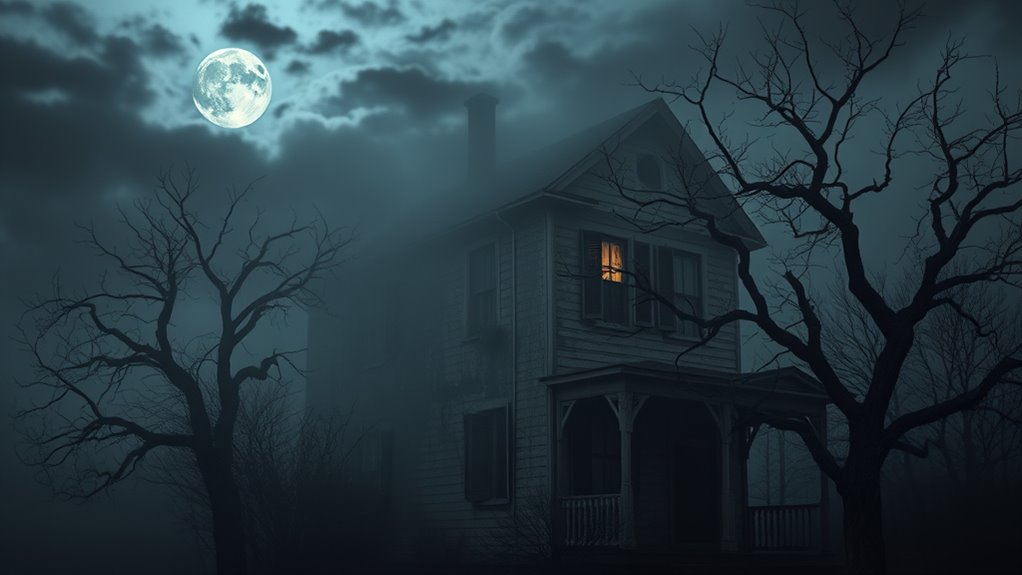
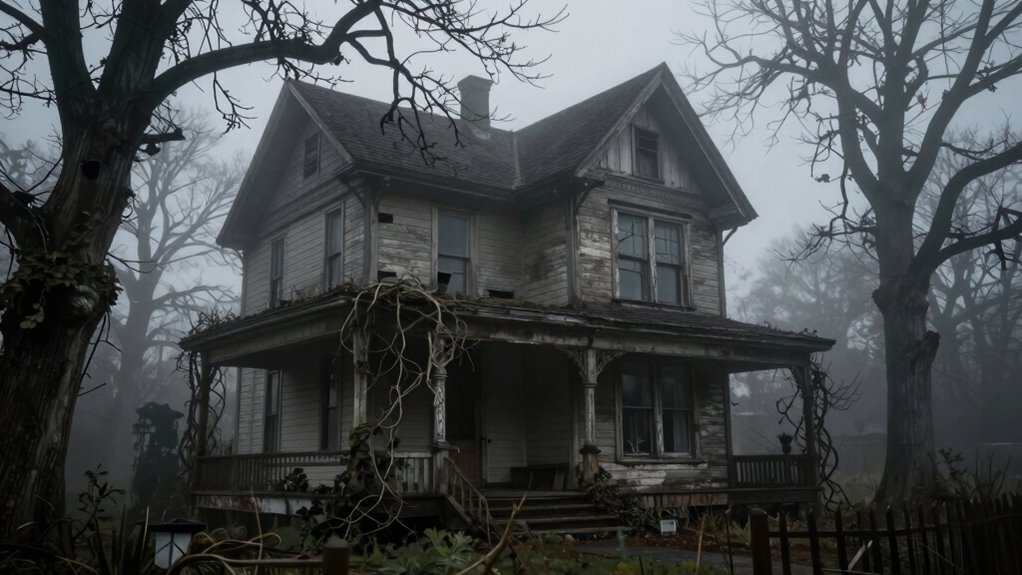
Old houses often seem haunted because they carry stories and energies from the past that linger long after their walls have been built. When you step into these old structures, it’s easy to feel like you’re walking into a space filled with unseen presences. You might catch a glimpse of ghostly apparitions flickering at the edge of your vision or hear eerie sounds echoing through empty hallways. These sensations are often enough to make your skin crawl and your mind race with questions about what’s real and what’s imagined.
Old houses feel haunted by past stories and energies that linger long after their walls are built.
Our brains are wired to seek patterns and assign meaning to ambiguous stimuli. When you hear a sudden creak or a faint whisper in a quiet house, your mind quickly jumps to supernatural explanations. That creak might be the house settling, but your brain interprets it as something more mysterious—perhaps a restless spirit trying to communicate. Similarly, ghostly apparitions aren’t necessarily literal ghosts but are often the result of your subconscious filling in gaps based on past experiences or environmental cues. Shadows, fleeting movements, and indistinct figures can all be misinterpreted as spirits because your brain is primed to detect faces and figures, especially in dim lighting or when feeling vulnerable.
Eerie sounds play a significant role in reinforcing the haunted perception of old houses. These sounds can come from natural causes like old pipes, wind, or animals, but because of the house’s age and history, your mind attributes them to supernatural activity. The creaking of floorboards, the distant echo of footsteps, or the unexplained knocking can all seem like signs of paranormal presence. Your tendency to notice these sounds more acutely in an empty house amplifies the feeling that something supernatural is happening, even when there’s a rational explanation.
Furthermore, the stories and legends surrounding old houses influence your perception. If a house has a reputation for hauntings, your expectations will color your experience. You might become hyper-aware of every sound or shadow, interpreting minor details as evidence of ghosts. This psychological phenomenon, known as confirmation bias, makes you more likely to see what you expect to see—ghostly apparitions or eerie sounds—thus reinforcing the haunted image of the house. Additionally, the power of suggestion can heighten your sensitivity to strange stimuli, making paranormal encounters seem even more convincing.
In essence, your mind plays a powerful role in shaping why old houses seem haunted. The combination of natural environmental noises, psychological biases, and the stories attached to these houses creates an atmosphere where ghostly apparitions and eerie sounds feel incredibly real—whether they truly are or not.

Wood Repair Kit, Furniture Repair Kit, Old English Scratch Cover, Floor Cover Nicks and Scratches, Easy-Fix Woods Furniture Repairs, for Woods Hides Minor Defects Restor A Finish
- Odorless, plant-based formula: Safe for indoor use around children and pets
- Quick repair for scratches and dents: Restores furniture in under 60 seconds
- Natural color blending: Double-bottle design for seamless repairs
As an affiliate, we earn on qualifying purchases.
As an affiliate, we earn on qualifying purchases.
Frequently Asked Questions
How Do Cultural Beliefs Influence Haunted House Perceptions?
Cultural beliefs shape how you perceive haunted houses by embedding cultural symbolism and collective memories into your understanding. If your culture associates certain houses with spirits or tragedy, you’re more likely to interpret unexplained events as supernatural. These shared stories and symbols influence your reactions, making you more prone to see old houses as haunted. Your perceptions are deeply rooted in collective memories passed down through generations, guiding your beliefs and expectations.
Can Architectural Features Create Ghost-Like Illusions?
Architectural features can definitely create ghost-like illusions through optical tricks and architectural illusions. When you walk through dimly lit or oddly shaped spaces, shadows and angles may deceive your eyes, making you believe you see something supernatural. Features like warped floors, narrow hallways, or unusual window placements can enhance these illusions, tricking your mind into perceiving ghostly apparitions where there are only clever design elements or optical tricks at play.
What Role Does Nostalgia Play in Haunted House Stories?
Nostalgia acts like a warm, familiar blanket, wrapping you in childhood memories and emotional attachment. When you explore haunted house stories, it’s like stepping into a time capsule where past and present blend. Your longing for simpler days heightens the eeriness, making ghosts feel like echoes of loved ones or lost innocence. This emotional connection fuels your fascination, transforming old houses into haunted stories that feel deeply personal and hauntingly real.
Are There Neurological Explanations for Seeing Spirits?
You might see spirits due to neural misfires in your brain, which cause sensory illusions. When your brain struggles to process ambiguous stimuli, it may generate perceptions of figures or presence that aren’t real. These hallucinations can be influenced by fear, stress, or the eerie atmosphere of old houses. Your mind’s tendency to fill in gaps with familiar shapes makes you more likely to interpret random sensations as supernatural encounters.
How Do Media Representations Shape Haunted House Myths?
Media exaggeration and cinematic tropes shape haunted house myths by painting spooky scenes, amplifying fears, and creating unforgettable images. You see flickering lights, creaking floors, and ghostly figures, all exaggerated for effect. These portrayals reinforce your beliefs, making old houses seem more haunted than they truly are. As a result, the stories stick, the legends grow, and your imagination fills in the gaps with ghostly tales, fueling the myth.
Conclusion
So next time you swear you see a ghost in that creaky old house, remember—it’s probably just your overactive imagination, fueled by every spooky story you’ve ever heard. Old houses don’t have ghosts; they have perfect excuses for your sleepless nights. So go ahead, blame the ‘haunting’ on history, shadows, or your mind playing tricks. After all, who needs ghosts when your own brain is the best haunted house of all?
College move-in / dorm season Picks
dorm essentials
As an affiliate, we earn on qualifying purchases.