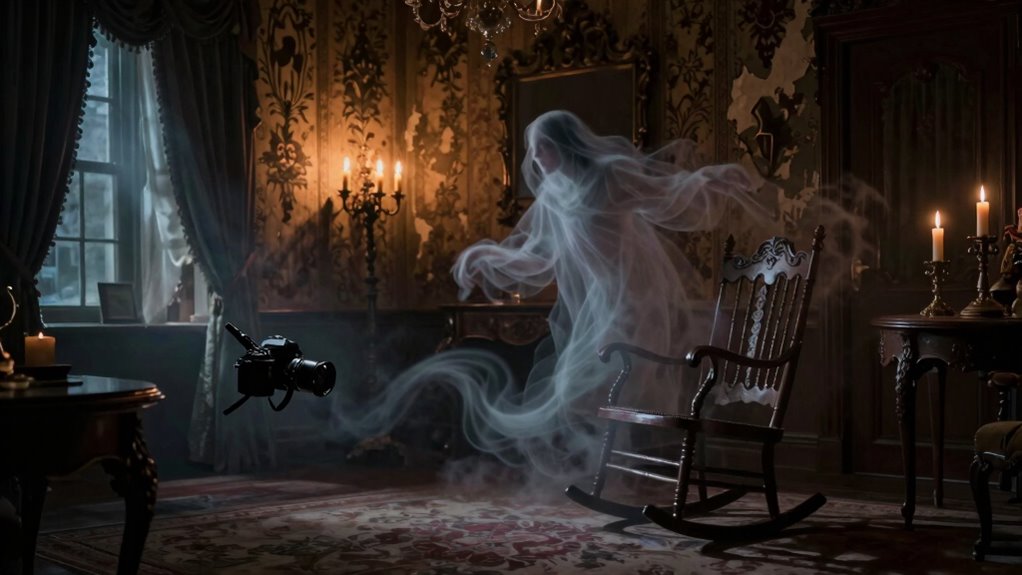

A poltergeist originally comes from German words meaning “rumbling ghost” and was used to describe noisy, disruptive spirits causing physical disturbances like knocks or moving objects. Over time, its meaning shifted from supernatural hauntings to include unexplained physical activity without necessarily invoking spirits. Today, it blends paranormal ideas with scientific curiosity, reflecting cultural changes. If you explore further, you’ll discover how the term’s meaning has evolved and why it remains so intriguing today.
Key Takeaways
- Originally from German, “Poltergeist” means “rumbling ghost,” referring to loud, disruptive supernatural phenomena.
- Historically linked to mischievous spirits causing disturbances like knocking and object movement.
- Over time, the term shifted from supernatural explanations to describing physical, unexplained disturbances.
- Modern usage blends paranormal attributions with scientific and psychological interpretations.
- Today, “Poltergeist” encompasses both genuine ghostly activity and metaphorical chaos or disruption.

Have you ever wondered what a poltergeist really is? The term might evoke images of noisy spirits throwing objects around, but its origins are more complex than just a spooky household presence. To understand what a poltergeist truly means, you need to look into its haunted origins and the linguistic evolution that shaped its current meaning. Originally, the word “poltergeist” comes from German, where “poltern” means “to rumble or make noise,” and “Geist” translates to “ghost” or “spirit.” This combination highlights the core characteristic of such phenomena: disruptive, often loud activity attributed to unseen forces. Over time, this term entered English usage, but its meaning expanded and became more specific as stories and reports accumulated.
In its haunted origins, the term was used to describe disturbances that seemed to be caused by mischievous spirits or restless ghosts. Early accounts often linked these phenomena to vengeful spirits or unsettled souls, emphasizing the supernatural aspect. However, as the concept evolved, so did the way people thought about these disturbances. In the 19th and early 20th centuries, the term “poltergeist” began to refer more narrowly to physical disturbances—objects moving, knocking sounds, and unexplained raps—without necessarily attributing them directly to malevolent spirits. Instead, the focus shifted to the phenomenon itself, regardless of whether a ghost was involved.
This shift in understanding reflects the broader linguistic evolution of the term. Originally rooted in folklore and superstitions, “poltergeist” gradually adopted a more scientific and psychological interpretation. Researchers and parapsychologists started exploring whether these disturbances could be explained by subconscious human energies or environmental factors, rather than malevolent spirits. Nevertheless, the original haunted origins still influence popular interpretations, often blending the supernatural with scientific curiosity. Today, the word “poltergeist” carries a mix of these connotations. It can describe genuine paranormal activity, as depicted in movies and stories, or be used metaphorically to refer to any chaotic, disruptive situation. The term’s evolution from haunted origins to a more nuanced concept shows how language adapts to cultural shifts and new understandings.
Additionally, modern studies consider psychological explanations for some disturbances, further illustrating the complex nature of the term’s evolution. But whether you see a poltergeist as a mischievous spirit or a psychological phenomenon, one thing remains clear: the word has traveled a long way, shaped by centuries of stories, beliefs, and scientific inquiry, reflecting humanity’s enduring fascination with the mysterious and the unseen.
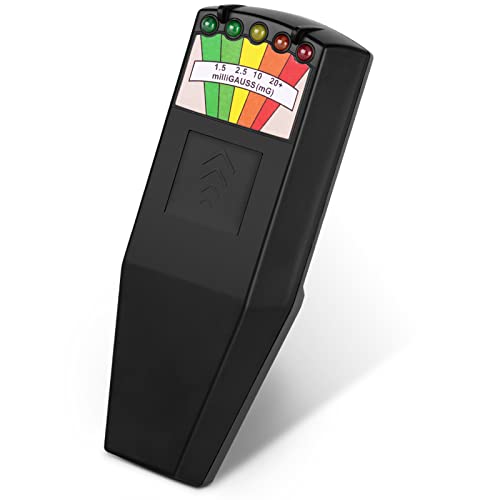
color tree Handheld LED EMF Magnetic Field Ghost Hunting Detector Electromagnetic Paranormal Equipment Tester 50Hz-20,000Hz Black
- EMF Measurement Range: 50Hz-20,000Hz for ghost hunting
- Location Association: Identifies sites with paranormal activity
- Battery Powered: Operates on a single battery with five milliGauss ranges
As an affiliate, we earn on qualifying purchases.
As an affiliate, we earn on qualifying purchases.
Frequently Asked Questions
How Does Poltergeist Activity Differ From Other Hauntings?
You’ll notice poltergeist activity differs from other hauntings because it involves active psychic disturbances that cause physical manifestations like objects moving or loud noises. Unlike typical ghosts, which often appear visually or communicate, poltergeists focus on disruptive, energetic actions. They tend to target individuals, especially teenagers, and their activity is usually brief but intense, emphasizing physical chaos rather than just haunting spaces.
Are Poltergeists Considered Dangerous or Harmful?
Poltergeists are often considered potentially dangerous or harmful, especially in urban legends where they’re linked to destructive activity. Folklore origins suggest they’re spirits or energies that can physically move objects or cause disturbances, which might threaten your safety. While actual danger varies, many believe they can escalate from minor disruptions to more serious harm, so it’s wise to approach alleged poltergeist activity with caution and respect.
Can Poltergeist Phenomena Be Scientifically Explained?
You can’t confidently say poltergeist phenomena are scientifically proven, as psychological explanations and environmental factors often account for these experiences. Many scientists believe that stress, hallucinations, or suggestibility trigger the reports, while environmental conditions like electromagnetic fields might contribute. Although some claims suggest supernatural causes, current scientific understanding leans toward psychological and environmental explanations, making it unlikely that poltergeist activity has a proven supernatural origin.
What Are Common Signs of a Poltergeist Presence?
You might notice a poltergeist presence through signs like objects moving suddenly or unexplained noises. Sometimes, it can cause spontaneous combustion of small items or flickering lights. You may hear loud bangs or see furniture shift without explanation. These phenomena often happen unexpectedly and can feel unsettling. If you observe these signs, it’s important to stay calm and seek help from experienced professionals to understand and address the situation safely.
Has the Term ‘Poltergeist’ Been Used in Popular Culture?
Yes, the term ‘poltergeist’ has been widely used in popular culture. You see it in ghostly pranks and media portrayals, where spirits cause noisy disturbances and playful chaos. Movies, TV shows, and books often depict poltergeists as mischievous entities that stir up trouble, making them a staple in supernatural stories. This cultural usage keeps the term alive, blending real phenomena with fictionalized, entertaining depictions.
Conclusion
Now, as you imagine flickering lights and distant whispers dancing through the shadows, you see how the word ‘poltergeist’ has evolved from chaotic spirits to a symbol of misunderstood phenomena. It’s more than just a haunting term; it’s a mirror of our fears and curiosity about the unseen. So next time you hear strange sounds in the dark, remember, history and language are woven into every ghostly whisper, waiting to be uncovered.