
Cold spots in haunted places are almost always caused by natural environmental factors or psychological effects, not spirits. Drafts, insulation issues, or temperature drops near building features create these sensations. Your mind’s heightened alertness in spooky settings and feelings of fear can make you more sensitive to cold spots. Physiological responses, like adrenaline, also play a role. If you keep exploring, you’ll discover how science explains these eerie sensations away from supernatural myths.
Listen free for 30 days with Audible
Thousands of audiobooks and originals — cancel anytime.
As an affiliate, we earn on qualifying purchases.
Key Takeaways
- Cold spots are often caused by environmental factors like drafts, poor insulation, or temperature fluctuations, not spirits.
- Psychological factors, such as fear or anticipation, heighten awareness of cold sensations in eerie settings.
- Physiological responses like adrenaline-induced blood vessel constriction can make individuals feel colder.
- Scientific assessments using thermometers typically reveal physical causes behind supposed paranormal cold spots.
- Recognizing natural explanations helps differentiate between environmental or psychological factors and supernatural stories.
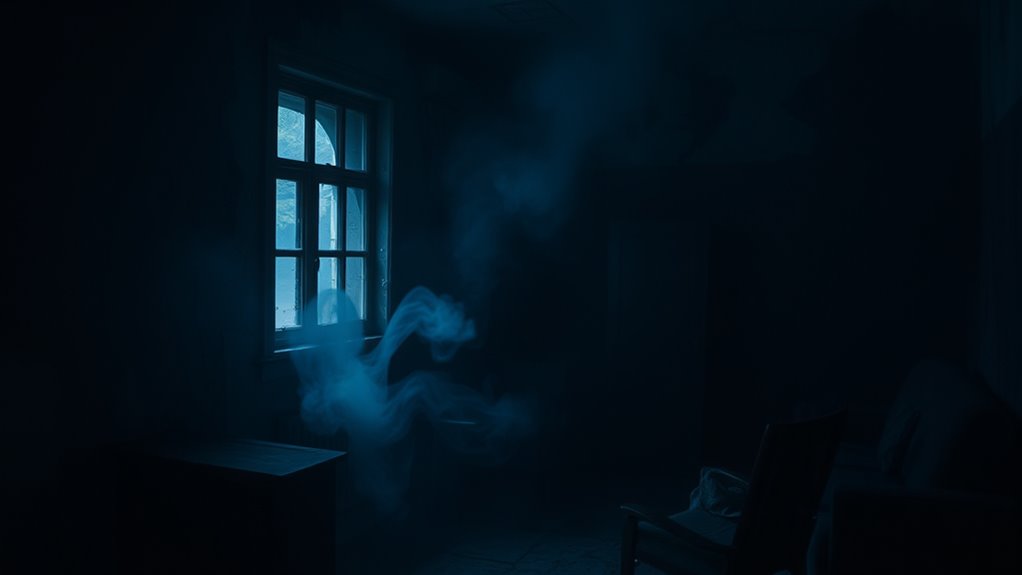
Have you ever stepped into a supposedly haunted location and felt an inexplicable chill that seems to seep right through you? That sudden drop in temperature, often called a “cold spot,” is a common phenomenon in ghost stories and paranormal investigations. Many believe these cold spots signal the presence of spirits or supernatural activity, but science offers a different perspective. Scientific explanations suggest that these sensations are primarily linked to natural environmental factors and the psychological effects they produce.
For starters, temperature fluctuations can occur due to drafts, gaps in windows or doors, or even uninsulated walls. These physical causes are straightforward and can often be verified with thermometers or environmental assessments. When you walk into a room and suddenly feel cold, it might just be a draft or a change in the building’s insulation that causes the temperature to drop locally. This natural explanation doesn’t require paranormal assumptions, but it’s easy to see how the sudden chill can feel uncanny, especially in an eerie setting.
On the psychological side, your mind plays a powerful role in how you interpret these cold spots. When you’re in a place associated with ghost stories or haunted legends, your brain is primed to notice and amplify any unusual sensations. The feeling of cold can be heightened by your emotional state—fear, anticipation, or curiosity—making you more aware of physical sensations that might otherwise go unnoticed. This heightened awareness can create a psychological effect, where your mind associates the chill with supernatural activity, even if there’s no actual ghostly presence.
Furthermore, your body’s response to fear or anxiety can influence how you perceive temperature changes. When you’re nervous or on edge, your body releases adrenaline, which can cause your blood vessels to constrict. This physiological response can make you feel colder or more sensitive to temperature drops, intensifying the sensation of a cold spot. In essence, your psychological state and bodily reactions work together to create a perception that feels real, even if it’s rooted in natural processes.
Additionally, understanding the contrast ratio of your environment can help explain why certain areas feel colder or more unsettling, especially in poorly lit or shadowed spaces. While many paranormal enthusiasts insist that cold spots are signs of spirits, scientific research suggests they’re more likely the result of environmental factors and psychological effects. When you experience one, it’s worth considering these explanations before jumping to supernatural conclusions. Recognizing how your environment and mind influence your sensations can help you better understand what’s really happening, turning an eerie chill into an interesting exploration of science and psychology rather than a ghostly encounter.

TempPro TempScan Infrared Thermometer Gun for Pizza Oven Griddle HVAC
- High Accuracy with Adjustable Emissivity: Measures with ±1.5% accuracy, adjustable from 0.1–1.0
- Fast Response Time: Responds in under 500ms with 12:1 distance-to-spot ratio
- Wide Temperature Range: -58°F to 1022°F for versatile use
As an affiliate, we earn on qualifying purchases.
As an affiliate, we earn on qualifying purchases.
Frequently Asked Questions
Can Cold Spots Occur Naturally Without Paranormal Influence?
Yes, cold spots can occur naturally without paranormal influence. You might notice these areas because of thermal conduction, where heat transfers from warmer to cooler spots, or air drafts that create localized chills. Changes in insulation or drafts from windows and doors can make certain spots feel colder, especially if the airflow disrupts the room’s temperature balance. So, these cold spots are often explained by natural science rather than ghosts.
How Do Weather Conditions Affect the Perception of Cold Spots?
Like a ghostly whisper, weather conditions shape your perception of cold spots. Thermal drafts caused by gaps in windows or doors bring in cooler air, while humidity fluctuations can make the air feel chillier. These natural factors trick your senses, making certain areas feel unnaturally cold. So, next time you sense a cold spot, consider the weather’s role — it’s often just science, not spirits, at play.
Are Cold Spots More Common in Certain Types of Buildings?
You’ll find cold spots more often in buildings with poor insulation or unusual architectural design. These factors create drafts or uneven heating, making certain areas feel noticeably colder. If a building lacks proper insulation or has complex layouts, you’re more likely to notice these chilly patches. Upgrading insulation or rethinking architectural design can reduce cold spots, but some might still be influenced by environmental factors or even just your perception.
What Scientific Explanations Exist for Cold Spots?
Cold spots often result from scientific factors like thermal conduction and air drafts. You might feel a sudden chill where heat quickly transfers through walls or windows, or where drafts cause localized cooling. These phenomena create the illusion of paranormal activity, but they’re just natural physical processes. When you notice a cold spot, consider checking for gaps or poor insulation, as these are common causes behind unexplained chilly areas.
Do Cold Spots Always Indicate Paranormal Activity?
Cold spots don’t always mean paranormal activity—you might be chasing shadows. Thermal anomalies caused by atmospheric shifts or drafts can create these chilly areas, but they often have simple scientific explanations. You should keep in mind that cold spots are just clues, not proof, and real-world factors like ventilation or temperature fluctuations are usually behind them. Don’t jump to conclusions; sometimes, what feels spooky is just science in disguise.
Conclusion
So, next time you feel that sudden chill in a supposedly haunted house, remember science offers explanations like drafts or temperature drops. Imagine visiting a historic inn where guests report cold spots—turns out, it’s just a natural breeze sneaking through old windows. While stories can be spooky, understanding the science behind cold spots helps you see these moments in a whole new light. Stay curious, and maybe that chill won’t seem so supernatural after all.
Back to school Picks
back to school
As an affiliate, we earn on qualifying purchases.