
TL;DR
Listen free for 30 days with Audible
Thousands of audiobooks and originals — cancel anytime.
Start your free trialAs an affiliate, we earn on qualifying purchases.
Experts recommend specific gardening practices to help boost firefly populations by creating suitable habitats in residential yards. This initiative aims to support declining firefly numbers and enhance local ecosystems.
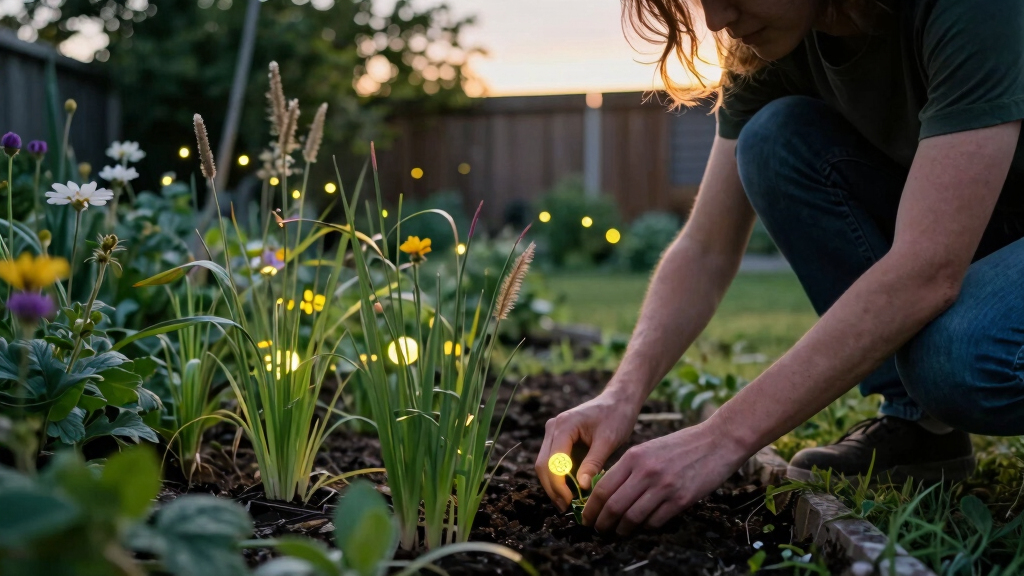
Environmental experts and conservation groups are encouraging homeowners to transform their yards into habitats that support firefly populations, amid concerns over declining numbers. By adopting specific gardening practices, residents can help preserve these insects, which are vital for local ecosystems and offer natural beauty during summer evenings.
Recent advice from conservation organizations emphasizes that creating a firefly-friendly yard involves reducing pesticide use, planting native vegetation, and providing moist, shaded areas. Fireflies rely on specific habitat conditions for breeding and feeding, which many modern yards lack due to urban development and pesticide application. Experts such as Dr. Lisa Johnson, an entomologist at GreenEarth Institute, state that simple changes like avoiding chemical pesticides and planting log piles or native grasses can significantly boost firefly habitats. These insects are not only a visual delight but also play a role in controlling pest populations, making their conservation beneficial for local ecosystems.According to the Firefly Conservation Alliance, community efforts have shown positive results where residents have adopted firefly-friendly practices. These include turning off outdoor lights at night to reduce light pollution, which interferes with firefly mating signals. Such measures are increasingly being promoted through local environmental programs and social media campaigns aimed at raising awareness about firefly decline.
How Firefly Habitats Impact Local Ecosystems
Supporting firefly populations helps maintain ecological balance by promoting natural pest control and pollination. Additionally, fireflies contribute to biodiversity and serve as indicators of environmental health. Their decline signals broader issues such as habitat loss and pesticide overuse, which can affect other species and overall ecosystem resilience. For homeowners, creating a firefly-friendly yard offers a chance to contribute to conservation efforts while enjoying natural nighttime displays, enriching community connections to local wildlife.

Hale Habitat & Seed Native Grass & Wildflower Refuge, Wildlife & Pollinator Seed Mix, 1/4 Acre
- High-Quality Seed: More seed for your money
- Certified and Designed Mix: Maximize growth and habitat
- Coverage Area: Plants approximately 1/4 acre
As an affiliate, we earn on qualifying purchases.
As an affiliate, we earn on qualifying purchases.
Recent Decline of Fireflies and Conservation Efforts
Over the past decade, firefly populations have declined in many regions, attributed mainly to habitat destruction, increased pesticide use, and light pollution. Studies published by the National Wildlife Federation indicate that urbanization has fragmented firefly habitats, reducing breeding sites and food sources. Conservation groups have responded by advocating for habitat restoration and public awareness campaigns. The current guidance on creating firefly refuges is part of a broader movement to reverse these declines and promote urban biodiversity.
“Simple changes like reducing pesticide use and planting native species can make a significant difference in supporting firefly populations.”
— Dr. Lisa Johnson, Entomologist at GreenEarth Institute
Uncertain Impact of Widespread Adoption of Firefly-Friendly Practices
While expert advice suggests that individual yard modifications can benefit fireflies, it is still unclear how widespread adoption of these practices will impact regional populations. Long-term data on the effectiveness of such measures are limited, and environmental factors like climate change and ongoing habitat loss continue to pose challenges. Researchers are monitoring pilot programs to assess how much habitat restoration in residential areas can contribute to broader conservation goals.
Next Steps for Firefly Habitat Restoration and Public Engagement
Conservation organizations plan to expand outreach efforts, including community workshops and online resources, to encourage more residents to implement firefly-friendly practices. Additionally, ongoing studies aim to quantify the impact of yard-based habitat improvements on firefly populations. Policymakers may also consider supporting local initiatives through grants or regulations that promote native planting and pesticide reduction in residential areas.
Key Questions
What are the most effective ways to attract fireflies to my yard?
Reduce pesticide use, plant native grasses and flowers, provide moist and shaded areas, and avoid outdoor lighting at night to create a welcoming environment for fireflies.
Can I see fireflies in my area if I follow these tips?
Yes, creating suitable habitats increases the chances of fireflies appearing, especially during warm, humid summer evenings when they are most active.
Are fireflies beneficial for my garden or yard?
Fireflies help control pest insects and contribute to local biodiversity, making them beneficial for ecological health.
Is it safe to turn off outdoor lights at night?
Yes, turning off unnecessary outdoor lighting reduces light pollution and is a recommended practice for supporting firefly activity.
What additional steps can I take to support firefly populations?
Participate in local conservation programs, educate others, and advocate for policies that protect natural habitats and reduce pesticide use in your community.
Source: rss
Back to school Picks
back to school
As an affiliate, we earn on qualifying purchases.