
TL;DR
Search interest indicates a rising preference for traditional architecture among the public. Experts suggest cultural and aesthetic reasons drive this trend, but the exact causes are still unconfirmed. This shift could influence future design practices.
Recent data shows that most people now prefer traditional architecture over modern or contemporary styles, according to search trend signals. This shift is notable because it appears to reflect changing aesthetic preferences and cultural values, making it a significant development for architects, urban planners, and homeowners.
Analysis of recent search trends indicates a surge in interest in traditional architectural styles, such as Victorian, Colonial, and Craftsman designs. Experts caution that these signals are preliminary and based on online search data, which may reflect broader cultural sentiments rather than definitive consumer choices.
While the trend suggests a growing appreciation for historic and classic design elements, it is not yet confirmed whether this preference is translating into increased construction or renovation activity. Industry insiders note that the spike in search interest could be influenced by media coverage, cultural nostalgia, or environmental considerations, but these claims are unverified at this stage.
Architectural professionals and market analysts are observing this pattern closely, as it could influence future building standards, renovation projects, and urban development policies. However, the precise drivers behind this shift remain a matter of speculation and further investigation.
Implications of Rising Preference for Traditional Architecture
This trend matters because a shift towards traditional architecture could impact design standards, construction practices, and cultural preservation efforts. If preferences continue to favor historic styles, it may lead to increased demand for restoration projects and influence urban planning policies to prioritize heritage conservation. Additionally, it could affect the real estate market, as buyers might prefer homes with classic architectural features over modern designs.
Understanding this preference is important for industry stakeholders, as it may signal a broader cultural shift and influence future development directions. However, since the trend is based on search data rather than confirmed market activity, its long-term significance remains uncertain.
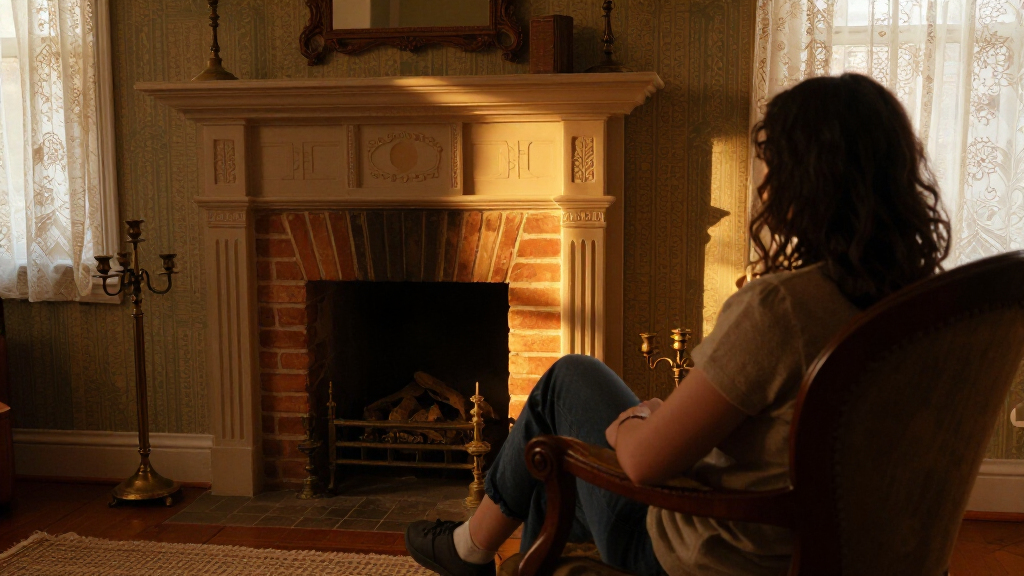
Victorian architectural style home decor
As an affiliate, we earn on qualifying purchases.
As an affiliate, we earn on qualifying purchases.
Recent Trends and Cultural Factors Influencing Architecture Preferences
Over the past decade, architectural preferences have fluctuated between modern minimalism and historic revival styles. The current spike in interest toward traditional architecture coincides with increased media coverage of historic preservation and cultural heritage projects. Additionally, recent economic and environmental considerations—such as sustainability and local sourcing—may also play a role in renewed appreciation for classic designs.
Experts note that cultural nostalgia, especially among younger generations seeking authenticity and connection to history, could be fueling this trend. Nevertheless, these observations are based on trend signals, and it is unclear whether they will translate into tangible market shifts or remain an online phenomenon.
Prior to this, modern and contemporary styles dominated new construction and renovation projects, with some regions experiencing a slow decline in interest for traditional forms. The current signals suggest a potential reversal or at least a significant diversification in architectural preferences.
Unconfirmed Drivers Behind the Preference Shift
It is not yet clear whether the increased search interest for traditional architecture indicates a genuine change in consumer preferences or is driven by media, nostalgia, or other factors. Industry experts caution that online search trends do not always correlate directly with market activity, and further data is needed to confirm whether this interest is translating into new projects or purchases.
Additionally, the long-term sustainability of this trend remains uncertain, as it could be a temporary response to current cultural or economic stimuli rather than a sustained shift.
Monitoring Market Activity for Confirmed Changes
Industry analysts and market researchers will continue to monitor construction permits, renovation projects, and real estate transactions to determine if this online interest leads to tangible market shifts. Future surveys and industry reports are expected to clarify whether consumer preferences are truly changing or if this is a transient trend.
Experts also anticipate further media coverage and cultural discourse around historic preservation, which could reinforce or diminish this interest. The next few months will be critical in confirming whether traditional architecture remains a dominant preference or if the current signals fade.
Key Questions
What is causing the increased interest in traditional architecture?
The exact causes are unconfirmed, but possible factors include cultural nostalgia, media influence, environmental considerations, and a desire for authenticity. More data is needed to determine the primary drivers.
Is this trend already affecting new construction projects?
It is too early to confirm. While online interest is rising, industry experts say there is no definitive evidence yet that it is translating into increased new builds or renovations.
Which architectural styles are most popular in this trend?
Styles such as Victorian, Colonial, Craftsman, and other historic forms are seeing increased interest, according to search trend signals.
Could this trend influence future urban planning policies?
Potentially, if consumer preferences lead to increased demand for heritage conservation and traditional designs, urban planners might incorporate more historic preservation into development policies.
How reliable are search trends as indicators of market change?
Search trends can signal interest but do not always correlate directly with market activity. Confirming actual shifts requires analyzing real estate, construction, and renovation data.
Source: hn