
TL;DR
A House Beautiful gardening report says begonias, dahlias and cosmos are especially vulnerable to the first autumn frost. Experts recommend covering plants overnight, moving vulnerable pots near a wall and insulating soil with mulch; covers should come off in the morning.
Begonias, dahlias and cosmos are among the garden plants most at risk when the first autumn frost arrives, according to a House Beautiful report citing gardening experts. Covering vulnerable plants overnight, sheltering containers and insulating soil can reduce their exposure to freezing temperatures, though the advice is not a guarantee against frost damage.

Get decor and gifts delivered free with Prime
- Fast, free delivery on millions of items
- Prime Video, Amazon Music and more included
- Member-only deals all year
Eflorist flower and garden expert David Denyer told House Beautiful that tender new growth can be particularly susceptible to early cold. After a warm summer or wet September, plants may still have soft growth with water in their cells. When that water freezes and expands, it can rupture cells and leave foliage blackened. Denyer said plants typically become more resilient later in winter as they harden off, but the first frost may arrive before that process is complete.
Denyer identified begonias as half-hardy bedding plants that generally cannot tolerate freezing temperatures. Dahlias also need attention: their water-storing tubers can be damaged when frozen, potentially preventing regrowth the following year. Horticultural expert Monique Kemperman of Plants & Flowers Foundation Holland said cosmos are tender annuals from warmer climates. Frost can damage their stems, leaves and flowers, causing them to blacken and collapse.
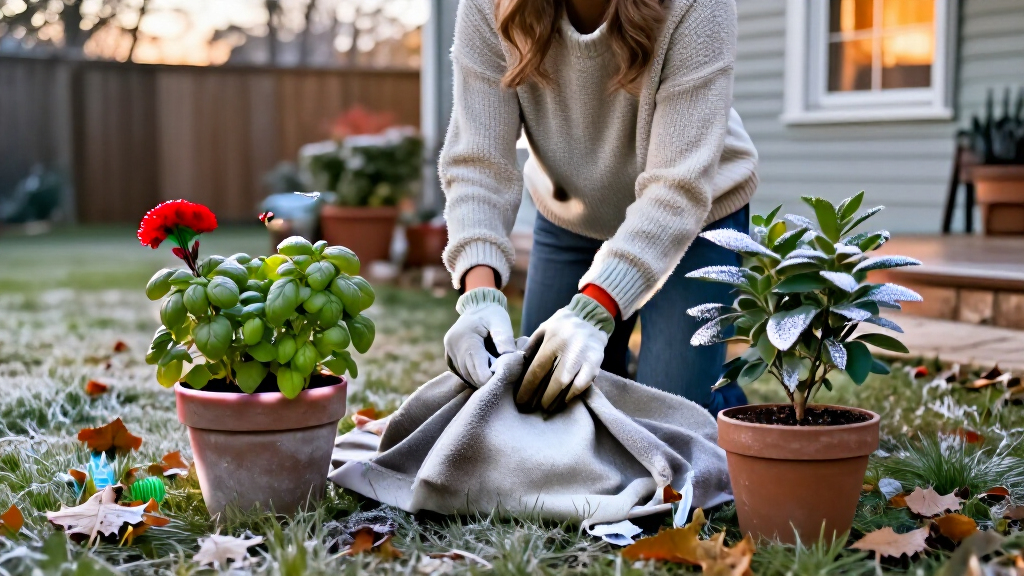
For plants in beds, Denyer recommends covering them on cold nights with horticultural fleece, cloches or an old sheet to hold a layer of warmer air around them. He advises removing coverings the next morning so air can circulate; leaving them in place during the day can trap moisture and raise the risk of rot or mold. For pots and hanging baskets, he suggests moving them near a wall, where brick or stone may release some of the warmth absorbed during the day. A layer of compost, bark or fallen leaves around plant bases can insulate soil and help steady moisture and temperature.
Protecting Tender Plants Before Frost
The first frost can arrive while gardens still appear healthy, leaving limited time to protect plants that are not cold-hardy. For gardeners growing begonias, dahlias or cosmos, a forecast of freezing temperatures is a practical cue to act: cover exposed plants, shelter movable containers and protect the soil around roots.
The consequences differ by plant. Frost can end flowering for cosmos and damage begonias, while harm to a dahlia’s water-rich tubers may affect whether it returns next season. The suggested measures may reduce exposure, but the report does not promise that they will prevent damage in every frost or climate.
Popular right now

TCL 75-Inch Class 4-Series 4K UHD HDR Smart Google TV (75S446, 2022)

Samsung 65-Inch M70H Series 4K Mini LED Smart TV (2026)

Breville Barista Express Espresso Machine with Built-In Grinder, Black Sesame
As an affiliate, we earn on qualifying purchases.
Why the First Frost Can Hit Hard
The report describes a seasonal timing problem: plants may still be actively growing when the first cold night arrives. Denyer said later winter conditions allow many plants to harden off and become more resilient, while early frost may strike before they have adapted. Soft new growth and water within plant tissues make freezing temperatures damaging.
The advice focuses on short-term protection rather than a full winter-care plan. Covering is meant to slow overnight heat loss; moving pots next to masonry offers shelter and some retained warmth; and mulch insulates the soil. House Beautiful advises removing temporary covers in the morning to limit trapped moisture.
“The first autumn frost often catches gardeners off-guard because it arrives while your garden still looks full of life.”
— David Denyer, Eflorist flower and garden expert, quoted by House Beautiful
Local Frost Risks Still Vary
The report does not specify a date for the first frost, a geographic area, expected temperatures or a forecast for any particular garden. The timing and severity of frost therefore remain local conditions gardeners must check for themselves. It also gives no temperature thresholds or guarantee that covers, walls or mulch will prevent damage in every situation.
Plant condition, placement and the intensity and duration of cold can affect outcomes. The guidance identifies plants at risk and general protective steps, but it does not provide tailored advice for every variety or growing environment.
Check Forecasts and Cover Plants
Gardeners should watch their local forecast for a cold night and prepare vulnerable plants before temperatures fall to freezing. Cover plants overnight, then remove coverings the next morning to allow airflow. Move potted begonias, dahlias and cosmos to a sheltered spot near a wall when possible, and add suitable mulch around plant bases.
Further action will depend on local weather and how plants fare after the cold. The House Beautiful report does not announce a new forecast or follow-up; it offers seasonal guidance for gardeners anticipating the first autumn frost.
Key Questions
Which plants does the report identify as most vulnerable to the first frost?
It names begonias, dahlias and cosmos. The report describes begonias as half-hardy, dahlias as vulnerable through their water-storing tubers and cosmos as tender annuals.
How should I cover plants for a frosty night?
Denyer recommends covering vulnerable plants with horticultural fleece, a cloche or an old sheet overnight. Remove the cover in the morning to allow air to circulate and reduce the chance of trapped moisture, rot or mold.
Where should I put potted plants during a frost?
Move vulnerable pots and hanging baskets near a sheltered brick or stone wall, if possible. Denyer says masonry can store warmth during the day and release it at night.
Can mulch help protect plants from frost?
The report recommends adding compost, bark or fallen leaves around plant bases to insulate soil and help keep moisture and temperature levels steady. It does not say mulch will prevent all frost damage.
Does the report give a date for the first frost?
No. It offers general seasonal advice but provides no location-specific date, temperature forecast or frost warning. Check local forecasts to decide when to protect plants.
Source: rss