
TL;DR

Get decor and gifts delivered free with Prime
- Fast, free delivery on millions of items
- Prime Video, Amazon Music and more included
- Member-only deals all year
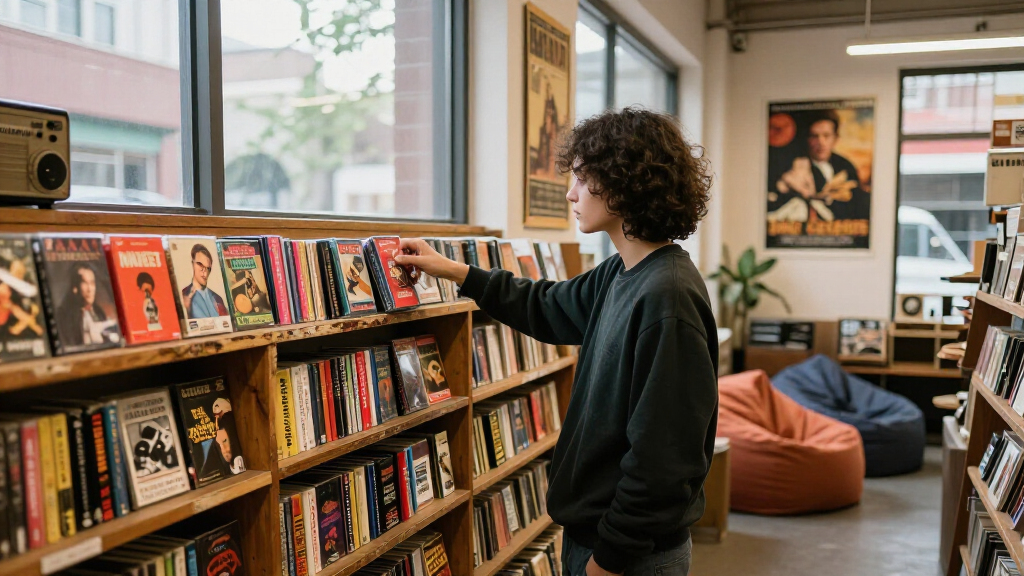
Movie rental stores, once central to community social life, have largely disappeared due to digital streaming and online services. This shift affects local economies and social interactions. The story examines what is lost and what remains uncertain.
Most remaining movie rental stores have closed or drastically reduced their operations, marking the end of an era that once fostered local community interactions and civic engagement. This decline, driven by the rise of digital streaming, affects not only consumer habits but also the social fabric of neighborhoods.
According to industry data, the number of independent rental stores in the United States has dropped from over 25,000 in the early 2000s to fewer than 1,000 today. Major chains like Blockbuster, which once dominated the market, have all but disappeared, with only a handful of franchise locations remaining. Local stores served as more than just points of transaction; they were community hubs where residents gathered, exchanged recommendations, and built social ties.
Experts note that the decline correlates with the advent of streaming platforms such as Netflix, Hulu, and Amazon Prime, which offer vast libraries of content accessible from home. This technological shift has led to a decline in foot traffic and revenue for physical rental outlets, prompting closures. Economists and urban sociologists warn that the loss of these spaces diminishes opportunities for civic interaction and local economic activity.
The Civic and Community Consequences of Store Closures
The disappearance of movie rental stores has broader implications beyond consumer convenience. These stores historically served as community gathering spots where social bonds were strengthened through shared interests. Their decline reduces opportunities for face-to-face interactions, which can weaken neighborhood cohesion. Additionally, local economies suffer as these stores often supported nearby small businesses and provided employment. The loss of physical spaces may contribute to increased social isolation and diminish the vibrancy of local neighborhoods, impacting civic life.
As an affiliate, we earn on qualifying purchases.
From Blockbuster to Digital Dominance: A Rapid Shift
During the late 20th and early 2000s, video rental stores like Blockbuster became cultural staples, with thousands of locations across the U.S. They provided more than just entertainment; they were social venues where communities gathered. The rise of digital streaming in the mid-2010s, driven by technological advances and changing consumer preferences, rapidly displaced physical rentals. Blockbuster’s bankruptcy in 2010 marked the symbolic end of the era, though some independent stores persisted for a few more years. Recently, the COVID-19 pandemic accelerated closures as foot traffic plummeted and online alternatives became dominant.
While some efforts have been made to preserve or revive local rental shops, these are often small-scale and face economic challenges. The trend reflects a broader shift in how society consumes media and interacts socially within neighborhoods.
“The decline of physical rental stores has led to a tangible loss in community spaces where social bonds are formed and strengthened.”
— Dr. Lisa Carter, urban sociologist
Unclear Future of Remaining Local Rental Spaces
It is not yet clear whether any significant number of physical rental stores will reopen or if new models will emerge to replace their social functions. Some small independent stores are attempting to adapt by offering niche selections or community events, but their long-term viability remains uncertain amid ongoing digital dominance. The broader question remains whether any physical spaces can regain their role as community hubs in a heavily online world.
Potential Trends and Community Initiatives Moving Forward
Experts suggest that future developments may include efforts to integrate digital and physical media experiences, such as hybrid rental models or community-centered spaces that blend social activities with media access. Local governments and community organizations might explore initiatives to preserve or reinvent these spaces as civic venues. Monitoring these trends will reveal whether the social functions of physical rental stores can be sustained or replaced in new forms.
Key Questions
Why did movie rental stores decline so rapidly?
The rise of digital streaming platforms offering convenient access to vast content libraries led to declining foot traffic and revenue for physical stores, causing many to close.
What social functions did rental stores serve?
Beyond renting movies, these stores acted as community hubs where neighbors interacted, shared recommendations, and built social bonds.
Are any physical rental stores still open?
Yes, a few independent stores remain, often serving niche markets or community interests, but their numbers are very limited.
Could physical rental stores make a comeback?
It is uncertain, but some community initiatives aim to revive or reinvent these spaces as social or cultural venues, blending digital and physical experiences.
What is the broader impact of losing these stores?
The decline affects not only local economies but also diminishes opportunities for face-to-face social interactions, impacting neighborhood cohesion and civic life.
Source: hn
Columbus Day / Indigenous Peoples' Day Picks
long weekend sales
As an affiliate, we earn on qualifying purchases.