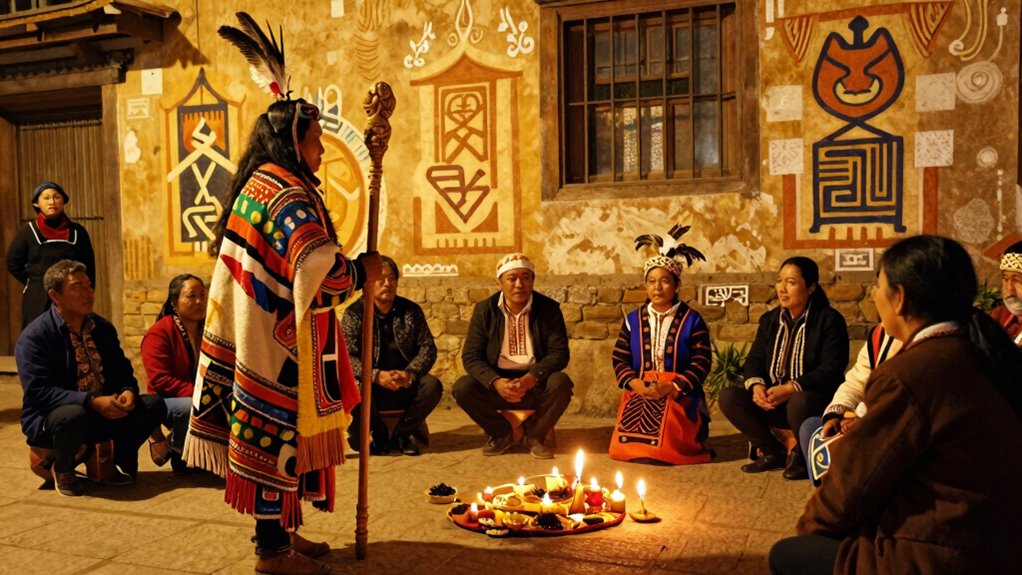

Possession stories differ in every culture because they reflect each society’s unique spiritual beliefs, social values, and ways of understanding unseen forces. Some see possession as divine communication or ancestral approval, while others view it as a disturbance or mental imbalance. Rituals and celebrations are shaped by local symbolism and worldview, helping communities interpret and respond to these experiences. If you’re curious, you’ll discover how these diverse stories reveal much about each society’s deeper beliefs and practices.
Key Takeaways
- Cultural beliefs shape whether possession is seen as divine communication or social disturbance.
- Ritual practices and symbolism vary, reflecting each society’s spiritual worldview and values.
- Possession is integrated into cultural celebrations, embodying deities or spirits differently across communities.
- Interpretations of mental states as spiritual or psychological influence how stories are told.
- Social context and historical background influence narratives, making possession stories unique to each culture.
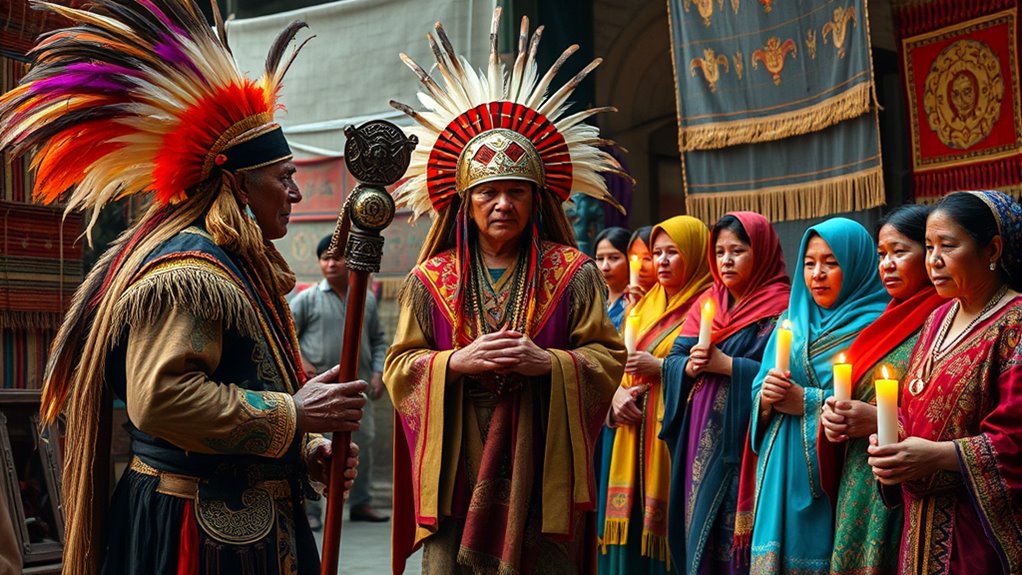
Across cultures worldwide, stories of possession reveal how different societies interpret spiritual influences, mental states, and supernatural forces. These narratives aren’t simply about spirits taking over; they’re deeply embedded in the cultural symbolism that shapes a community’s worldview. For example, in some cultures, possession is seen as a sign of divine communication or ancestral approval, while in others, it signals a disturbance in social harmony or personal imbalance. Understanding these stories requires you to consider the ritual practices that communities use to address or interpret such phenomena. Rituals serve as a bridge between the spiritual and physical worlds, providing a structured way to recognize, contain, or even dispel possession. In many societies, specific ceremonies, offerings, and dances are performed to invoke protection or to communicate with spiritual entities. These practices aren’t arbitrary; they reflect the society’s unique symbolism about the supernatural realm and its relationship with the human world. Additionally, the use of calibration in visual representations can influence how these stories are perceived and understood within different cultural contexts.
Stories of possession reflect cultural symbols shaping beliefs about spirits, mental states, and social harmony across societies worldwide.
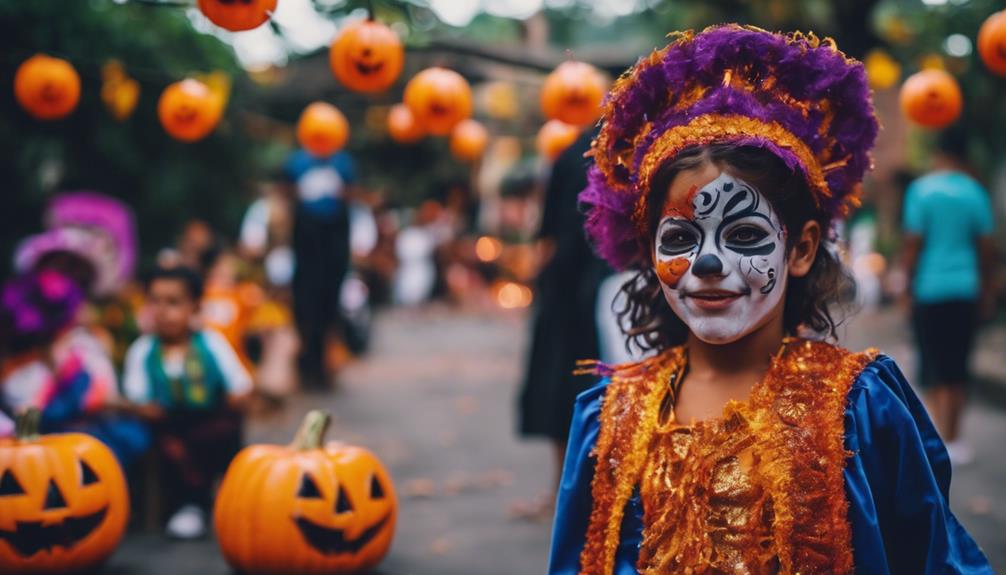
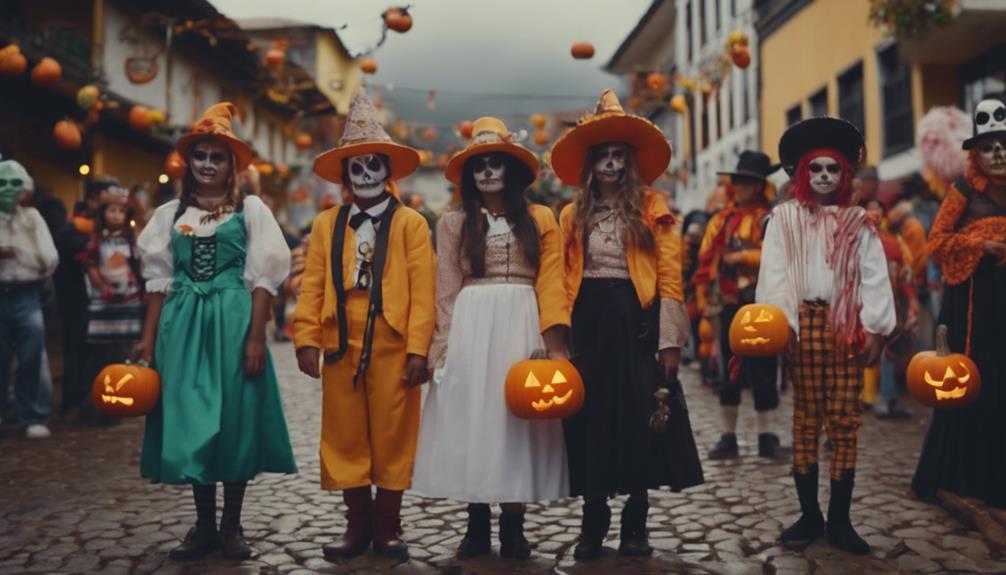
You might notice that in some cultures, possession is celebrated rather than feared. For instance, during traditional festivals, individuals may embody spirits or deities, showcasing their connection to ancestors or divine forces. These ritual practices often involve elaborate costumes, chanting, and symbolic gestures that reinforce cultural values and beliefs. Such rituals are not only acts of devotion but also serve to reaffirm social cohesion and cultural identity. Conversely, in other communities, possession is viewed as a harmful or disruptive event, requiring specific cleansing rituals or exorcisms. These practices aim to restore balance by removing negative influences, emphasizing the society’s view that spirits or supernatural forces can impact mental health and social stability.
Your understanding of possession stories must also acknowledge how different societies interpret mental states. In some cultures, what might appear as mental illness to outsiders is seen as a spiritual calling or a sign of spiritual possession. Ritual practices, therefore, become essential in distinguishing between natural psychological experiences and supernatural influences. These rituals often involve community participation, prayer, or the use of sacred objects that help frame the experience within a culturally meaningful context.
Ultimately, the variation in possession stories across cultures illustrates the diversity in how humans interpret unseen forces. Whether through symbolic rituals, social roles, or spiritual symbolism, each culture’s approach offers insight into their worldview. It’s essential to see these stories not as mere folklore but as reflections of deeply rooted beliefs about the spiritual, mental, and social fabric of the community. By exploring these differences, you gain a richer understanding of how societies navigate the complex relationship between the seen and unseen worlds.
Frequently Asked Questions
How Do Possession Stories Influence Cultural Identity?
Possession stories shape your cultural identity by reinforcing cultural symbolism and values. They help you understand community beliefs, moral codes, and spiritual practices, forming a shared sense of belonging. As you engage with these stories, they influence your perception of identity, emphasizing collective heritage. These narratives also serve as a way to pass down traditions, ensuring that cultural symbolism remains essential in identity formation across generations.
Are Possession Stories Linked to Mental Health Perceptions?
Yes, possession stories are linked to mental health perceptions. You might see these stories as reflecting cultural perceptions of mental health, shaping how communities understand and address psychological issues. In some cultures, possession stories are seen as spiritual experiences, not mental illness, influencing whether individuals seek traditional or medical help. Recognizing these cultural differences helps you better understand diverse responses to mental health challenges.
What Role Do Rituals Play in Possession Narratives?
Rituals serve as powerful symbols, weaving spiritual stories into tangible actions you perform amid flickering candles and rhythmic chants. These rituals act as bridges, reinforcing community cohesion while embodying possession narratives through symbolic gestures. You participate in these sacred acts to channel spirits, seek healing, or affirm cultural identity, turning abstract beliefs into shared experiences. Ritual symbolism transforms individual stories into collective memory, anchoring the community’s understanding of possession in meaningful, lived practices.
How Have Possession Stories Evolved Over Time?
You see that possession stories have evolved through historical changes and cross-cultural variations. Over time, these narratives reflect shifting beliefs, social norms, and spiritual understandings. In some cultures, they emphasize healing or protection, while others focus on punishment or spiritual warfare. As societies interact and adapt, these stories transform, blending old traditions with new influences, showing how perceptions of possession continually shift across different eras and cultural contexts.
Do Possession Stories Impact Legal or Social Policies?
Possession stories profoundly influence policies and perceptions. You’ll see legal implications, as authorities interpret these tales to shape policy development and societal standards. These stories guide legal actions, from mental health treatment to criminal justice, and influence social policies on cultural sensitivity. When these narratives resonate, they prompt policymakers to craft compassionate, culturally aware laws. So, your understanding of possession stories can shape societal norms and legal frameworks alike.
Conclusion
So, as you’ve seen, possession stories change from one culture to another, each reflecting unique beliefs and values. They’re like different brushes painting the same picture, revealing how humans interpret the unseen world around them. No matter where you go, these stories remind you that understanding others’ perspectives is key—just remember, every culture has its own way of telling a story, and sometimes, you’ve got to look beyond the surface to see the full picture.