To document your DIY prop setup for peace of mind, start by taking clear photos from multiple angles, including detailed descriptions and measurements. Keep records of inspections, repairs, and safety checks for electrical parts. Organize everything digitally in labeled folders and back up your files regularly. Record safety protocols and risk assessments to show proactive safety measures. Proper documentation can help protect your equipment and expedite insurance claims—continue to find out how to make this process even easier.
Key Takeaways
- Take comprehensive photos from multiple angles, including detailed measurements, to visually document prop safety and condition.
- Keep detailed records of inspections, repairs, and safety checks to prove maintenance and compliance.
- Organize all documentation digitally with clear labels and backups for quick access during claims or reviews.
- Record safety protocols, risk assessments, and safety training to demonstrate proactive safety management.
- Regularly update your visual and maintenance records after each use or repair to ensure accurate, current documentation.
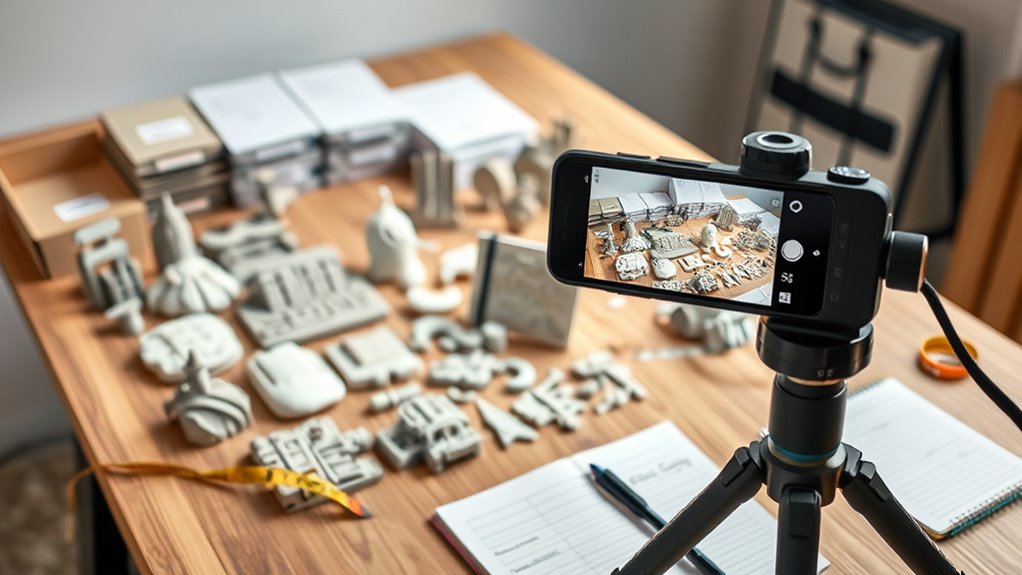
If you’re looking to save money and have more control over your production, DIY prop insurance can be a practical solution. One of the key aspects of managing your own coverage is documenting your setup thoroughly. Proper documentation helps demonstrate that you’ve taken safety precautions seriously and maintained your equipment properly, which can be invaluable if a claim arises. Start by creating detailed records of each prop, including photographs from multiple angles, descriptions, and any relevant measurements. This visual evidence can help verify the integrity and safety of your props, especially if questions about safety precautions come up later.
In addition to photographs, keep written records of your equipment maintenance routines. Document when you inspect, repair, or replace parts on your props. For example, if you have electrical props, note the dates of inspections, testing procedures, and any repairs performed. Regular maintenance not only prolongs the lifespan of your equipment but also reduces the risk of accidents. These records serve as proof that you’ve actively maintained your props and adhered to safety precautions, making your DIY insurance claim process smoother.
When setting up your documentation system, consider organizing everything digitally for quick access. Use clear folders labeled by project or prop type, and back up all files in the cloud or on an external drive. Consistent record-keeping also means taking the time to update your logs after each use or maintenance session. This ongoing diligence ensures your documentation is current and exhaustive, which is essential if an incident occurs and you need to justify your safety measures. Additionally, understanding the importance of proper equipment management is crucial, especially in the context of deep-sky imaging and ensuring your setup is safe and reliable.
Another important step is to include safety precautions in your documentation. Record any risk assessments or safety protocols you follow during setup and use. If you’ve taken safety training or have specific procedures in place, document these as well. Showing that you’ve proactively addressed safety not only protects your crew but also strengthens your position when claiming insurance coverage.
Frequently Asked Questions
How Often Should I Update My Prop Documentation?
You should update your prop documentation whenever you change your setup or add new items, ideally every 3 to 6 months. This guarantees your records stay current and meet insurer requirements. Regular updates help you track prop storage conditions, recent modifications, and new acquisitions, making claims smoother if needed. Keep your documentation detailed and organized, and review it periodically to stay aligned with insurer expectations and maintain peace of mind.
What Types of Damages Are Typically Covered?
You’re typically covered for damages like fire, theft, vandalism, and accidental breakage. Proper documentation of your prop valuation helps guarantee accurate coverage, giving you peace of mind. By regularly updating your records, you can better support damage prevention efforts and streamline claims if needed. Keep detailed photos and receipts, and review your policy periodically to make sure your coverage aligns with your current setup and potential risks.
Can I Insure Props Purchased Secondhand?
Think of insuring secondhand props like valuing vintage wine; you need accurate secondhand prop valuation. Yes, you can insure these items, but make certain you document their condition and purchase receipts. Insurance for vintage items often considers their age and rarity. By keeping detailed records, you protect your investment and simplify claims if damage occurs, giving you peace of mind knowing your unique props are covered, no matter where you bought them.
Is There a Minimum Value Threshold for Coverage?
Yes, there’s often a minimum value threshold for coverage, which varies by insurer. You should check your policy’s valuation thresholds and coverage limits to guarantee your props are adequately protected. Items below the minimum value might not qualify for coverage, so document their value carefully. By understanding these thresholds, you can avoid surprises and make sure your setup is fully insured, giving you peace of mind during production.
How Do I File a Claim if My Prop Is Damaged?
Did you know that 60% of claims are processed faster when you have detailed documentation? To file a claim for damaged props, start with the claim process by reporting the damage promptly. Provide clear photos and descriptions for the damage assessment to support your case. Keep all receipts and documentation handy. This way, you’ll streamline the process and increase your chances of quick, fair compensation.
Conclusion
By documenting your setup thoroughly, you’re not just protecting your props—you’re proving their value and your dedication. Think of it as a safety net that catches any doubts or disputes before they arise, giving you peace of mind. When you take the time to record every detail, you’re building a solid foundation for your passion. In the end, proper documentation isn’t just a chore; it’s a smart move that keeps your creative spirit secure and confident.