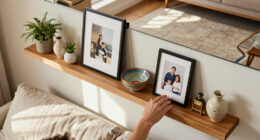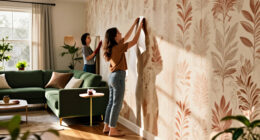

To document your DIY prop builds effectively, use good lighting—natural sunlight or diffused indoor light—to highlight details clearly. Take multiple photos from different angles with consistent camera settings, like low ISO and appropriate focus, to guarantee accuracy. Keep track of your lighting setup, camera settings, and angles so others can replicate your work easily. With careful documentation and practice, you’ll produce professional photos that make recreating your props simple—continue exploring for even more tips.

Get decor and gifts delivered free with Prime
- Fast, free delivery on millions of items
- Prime Video, Amazon Music and more included
- Member-only deals all year
Key Takeaways
- Capture detailed step-by-step images during each build phase to document the process clearly.
- Record camera settings, lighting arrangements, and angles used for consistent recreation.
- Use close-up shots for intricate details and wider frames for overall context of the build.
- Experiment with different lighting setups and angles to find the most effective way to showcase your work.
- Keep a visual or written log of your setups and adjustments to facilitate accurate reproduction later.
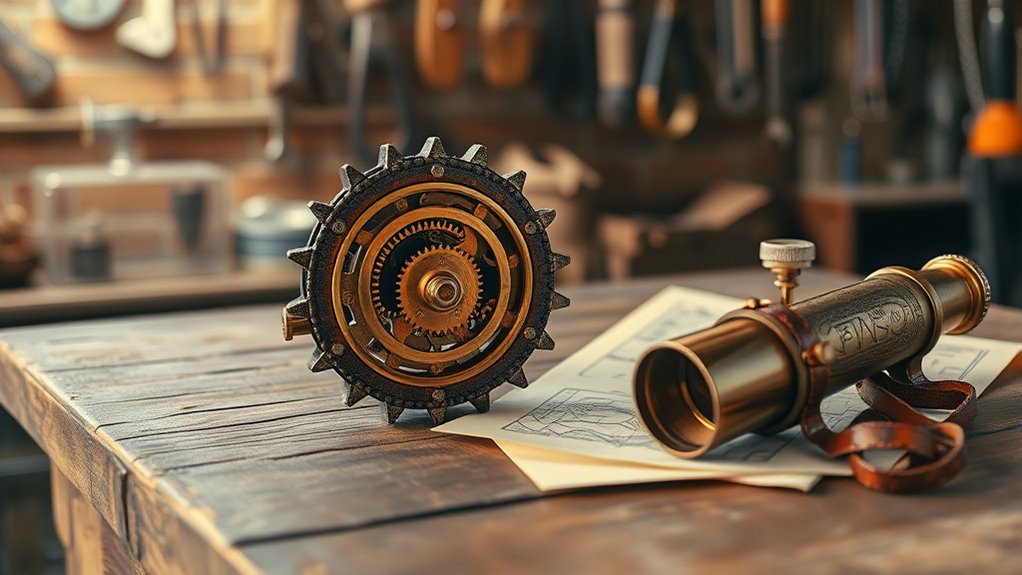
Ever wondered how to create stunning photographs with unique props without breaking the bank? The secret lies in mastering lighting techniques and camera settings. When you’re working with DIY props, proper lighting can make or break your shot, emphasizing textures, colors, and details that bring your scene to life. You don’t need expensive equipment—simple household items or natural light can work wonders if you know how to use them effectively. Start by experimenting with different lighting angles: side lighting can add depth and shadows, while front lighting brightens your subject evenly. If you’re outdoors, shoot during the golden hour for warm, soft light that flatters most props. Indoors, utilize window light and diffuse it with sheer curtains or white sheets to avoid harsh shadows. Artificial lights, like desk lamps or LED panels, can be positioned to highlight specific areas or create mood, just be sure to diffuse the light to prevent glare.
Once your lighting setup is dialed in, adjusting your camera settings is essential. Use a low ISO to keep images grain-free, especially in well-lit conditions, and set your aperture to control depth of field—wider apertures (lower f-stops) blur the background for a professional look, while narrower ones keep more of the scene in focus. Shutter speed depends on your lighting; in dim environments, increase it to prevent motion blur, but in bright conditions, a faster shutter helps freeze movement. When photographing DIY props, keep your camera steady—use a tripod or rest your camera on a stable surface—to avoid unwanted blur, especially when working with slower shutter speeds. Also, enable gridlines or a rule of thirds overlay to compose your shot intentionally, guiding the viewer’s eye toward the focal point. Additionally, understanding proper camera calibration can significantly improve your results by ensuring accurate colors and focus.
Document each build process carefully. Take notes of your camera settings, lighting positions, and any adjustments you make along the way. This documentation allows you to recreate the same setup later or tweak it for better results. When capturing your DIY props, don’t be afraid to experiment with different angles and distances. Close-ups can highlight intricate details, while wider shots set the context and environment. Lighting and camera settings work hand-in-hand to transform simple props into mesmerizing images. With practice, you’ll find combinations that work best for your style. Remember, the key is to keep experimenting, documenting your process, and refining your skills. With these techniques, you can produce professional-looking photos of your DIY props without spending a fortune, turning your creative ideas into stunning visual stories.
As an affiliate, we earn on qualifying purchases.
Frequently Asked Questions
What Safety Precautions Should I Take During Prop Construction?
When building props, always wear safety gear like goggles, gloves, and masks to protect yourself from hazards. Keep your workspace well-ventilated, and be aware of potential risks like sharp tools or hot glue. Follow safety instructions for all equipment, and never rush your work. Staying alert and practicing hazard awareness helps prevent accidents, ensuring you stay safe while creating impressive props.
How Do I Choose the Best Materials for Different Props?
When choosing materials for your props, focus on material selection that matches your project’s needs. Consider durability considerations to make certain your props withstand handling and display. Opt for lightweight, sturdy options like foam, cardboard, or plastic for ease of use, and choose more durable materials like wood or metal for long-term projects. Always evaluate how the material’s properties align with your design, safety, and budget constraints to get the best results.
Can I Replicate Professional-Looking Props With Limited Tools?
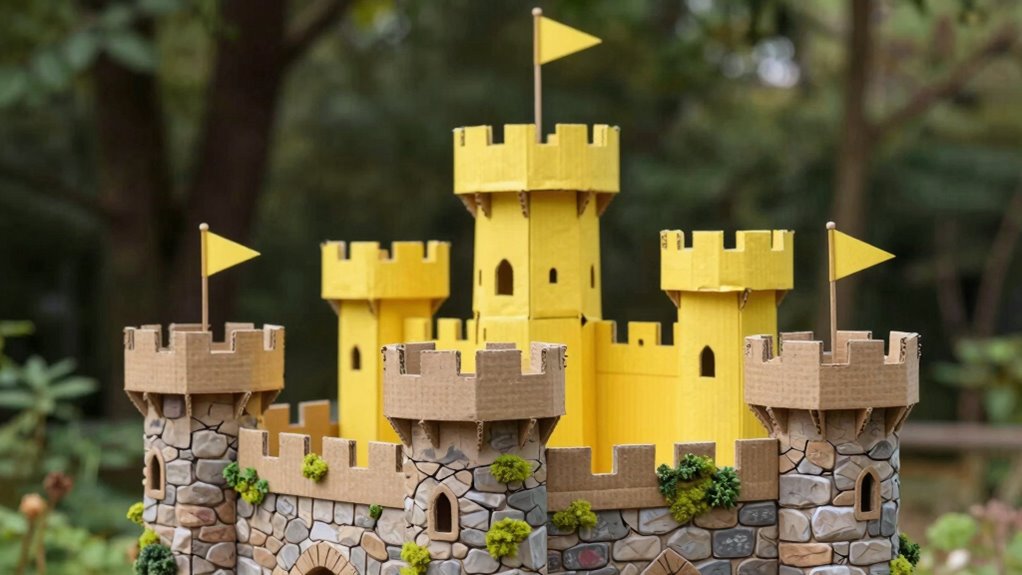
You can definitely replicate professional-looking props with limited tools by using DIY techniques and creative tips. Imagine transforming cardboard into intricate castle walls with paint and glue—simple materials but stunning results. Focus on details, use masking tape for clean edges, and experiment with texture. This approach shows you don’t need fancy equipment; your creativity and resourcefulness are your best tools for impressive props.
How Do I Troubleshoot Common Issues in Prop Photography?
To troubleshoot common issues in prop photography, start by evaluating your lighting techniques—adjust angles and brightness to avoid shadows or overexposure. If scale modeling looks off, double-check your proportions and perspective. Use consistent lighting and camera settings, and photograph test shots to identify problems early. Keep experimenting with different setups until you achieve the desired realism, ensuring your props look professional and mesmerizing.
What Are Cost-Effective Ways to Upgrade My Prop Collection?
Did you know 75% of photographers boost their collections with budget-friendly techniques? To upgrade your prop collection cost-effectively, try creative DIY tips like repurposing household items or sourcing materials from thrift stores. Focus on versatility and personalization, which can add value without breaking the bank. These approaches help you build a more diverse collection while staying within your budget, making your photos more engaging and unique.
Conclusion
By documenting your DIY prop builds, you not only preserve your creative process but also inspire others. Did you know that 85% of hobbyists say sharing their projects boosts motivation and skill? So, snap those photos, jot down your steps, and showcase your work. Recreating these props later becomes easier and more fun, turning your passion into a lasting source of inspiration. Keep building, documenting, and sharing — your creative journey has only just begun!
Halloween Picks
halloween
As an affiliate, we earn on qualifying purchases.