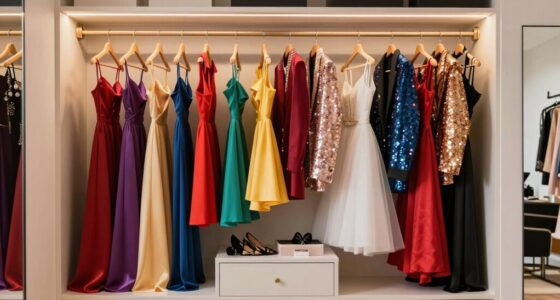
Green doesn’t always signal friendliness or calm; its shades and the context in which you see it can evoke feelings of decay, unease, or even danger. Bright greens might energize scenes, while dull or muddy greens can create a sense of stagnation or foreboding. How green interacts with lighting, textures, and other colors can drastically shift the mood—from inviting to unsettling. If you keep exploring, you’ll discover how to use green to shape emotional responses in your scenes effectively.
Key Takeaways
- Green’s emotional impact varies with context, shade, and lighting, making it capable of conveying friendliness or unease.
- Bright, lush greens evoke freshness and positivity, while dull or muddy greens suggest decay or discomfort.
- Green backgrounds can appear inviting or unsettling depending on lighting, contrast, and accompanying scene elements.
- Color psychology reveals that green’s meaning shifts based on saturation and tone, influencing scene mood intentionally.
- Strategic use of green enhances storytelling by aligning color choices with desired emotional responses.

Color plays a essential role in shaping the mood of a scene, influencing how viewers feel and interpret what they see. When you choose a particular hue, you’re not just selecting a color; you’re tapping into a powerful tool of color psychology that can evoke specific emotional responses. For example, green is often associated with nature, calm, and growth, but it doesn’t always convey a friendly or positive vibe. Depending on how it’s used, green can also suggest envy, illness, or even danger. This is why understanding the emotional impact of colors is fundamental when you’re trying to create a particular atmosphere in a scene.
You might think green automatically signals tranquility or renewal, but context and shade matter just as much as the color itself. Bright, vibrant greens can energize a scene, making it feel lively or fresh. Conversely, dull or muddy greens can evoke feelings of decay, stagnation, or discomfort. This variation is where your understanding of color psychology becomes essential. By manipulating the tone and saturation of green, you shape how your audience perceives the scene’s mood. A lush, vibrant green can inspire hope and serenity, while a muted, sickly green might generate unease or suspicion.
The emotional impact of color isn’t just about the hue itself but also about how it interacts with other elements in the scene—lighting, contrast, and context. For instance, a green background in a scene might seem inviting if paired with warm lighting and soft textures. But the same green, under cold lighting or stark contrasts, can feel unsettling or ominous. As you craft your scene, consider not just the color’s traditional associations but also how it aligns with the narrative mood you want to convey. Additionally, understanding color psychology helps you make more intentional choices that enhance storytelling and viewer engagement.

Haunted Hill Farm Soul Sucker Demon Reaper with Child by Tekky, Motion-Activated Talking Halloween Animatronic for Creepy Indoor or Covered Outdoor Halloween Decorations, Plug-in or Battery Operated
Premium Life-size Animatronic: Soul Sucker is perfect for indoors or a covered outdoor area so place our evil...
As an affiliate, we earn on qualifying purchases.
Frequently Asked Questions
Can Green Evoke Feelings of Calm or Envy Simultaneously?
Yes, green can evoke feelings of calm or envy simultaneously, depending on the environmental context and your personal perception. In color psychology, green often symbolizes tranquility, nature, and balance, making you feel relaxed. However, in certain situations, it can also represent jealousy or envy. Your emotional response to green varies based on the scene’s setting and your individual experiences, highlighting how versatile this color really is.
How Does Lighting Influence the Color’s Emotional Impact?
Did you know that lighting can change green’s emotional resonance by up to 60%? In color psychology, lighting influences how you perceive a color’s mood—bright lighting makes green feel fresh and lively, while dim lighting evokes calm or envy. By adjusting light intensity and hue, you shape the scene’s emotional impact, guiding viewers’ feelings and responses with precise emotional resonance that amplifies or softens the color’s natural message.
Are There Cultural Differences in Interpreting Green Scenes?
You’ll find that cultural symbolism greatly influences how you interpret green scenes. In some cultures, green symbolizes growth and harmony, while in others, it can represent envy or danger. Your visual perception is shaped by these cultural cues, affecting your emotional response. Recognizing these differences helps you understand why green might evoke positive feelings in one context and negative ones in another, highlighting the importance of cultural awareness in visual storytelling.
What Role Does Saturation Play in Mood Perception?
Saturation considerably influences mood perception, as studies show highly saturated colors evoke stronger emotional responses. In color psychology, vivid hues often create excitement or tension, while muted tones foster calmness. You’ll notice that in visual perception, increased saturation amplifies the scene’s intensity, making emotions more vivid. By adjusting saturation levels, you can manipulate viewers’ feelings, intensifying or softening the overall mood, which highlights the powerful role of color in storytelling.
Can Color Combinations Override Individual Color Effects?
Yes, color combinations can override individual color effects because of color theory‘s influence on emotional response. When you pair colors thoughtfully, the overall mood shifts based on how they interact, creating a different emotional impact than each color alone. For example, combining warm and cool tones can balance or intensify feelings, showing that context and contrast in color combinations shape your emotional response more than single colors do.

Spirit Halloween 4 Ft 6 In Scary Sitting Scarecrow Animatronic, Multicolor
Bring any Halloween display to life by adding this Scary Sitting Scarecrow Animatronic to your home decor. This...
As an affiliate, we earn on qualifying purchases.
Conclusion
Remember, colors can speak louder than words, shaping your mood and perception without you realizing it. Green, often seen as calming, can also evoke envy or unease depending on its shade and context. As the saying goes, “A picture is worth a thousand words,” so choose your colors wisely to set the right tone. By understanding color’s power, you can craft scenes that truly resonate with your audience’s feelings.
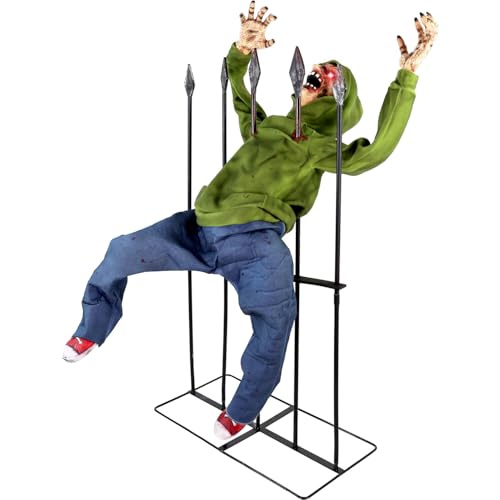
Haunted Hill Farm 4.4-Ft Animatronic Impaled Zombie, Halloween Animatronic, Creepy Party Decoration, Spooky Décor, Macabre Gift for Horror Movie Lovers, Voice-Activated Lights & Sound, Life-Size
Premium Life-Size Animatronic: Frighten guests and trick-or-treaters with this premium quality spine-chilling Halloween decoration
As an affiliate, we earn on qualifying purchases.

Kukooka Halloween Giant Skeleton, Large Realistic Full Body Skeleton with Movable Joints for Halloween Party Haunted House Indoor Outdoor Decoration (7.8ft-1P)
The skeleton is made of plastic, it is 7.8ft giant full body skeleton, looks very realistic and scary.
As an affiliate, we earn on qualifying purchases.