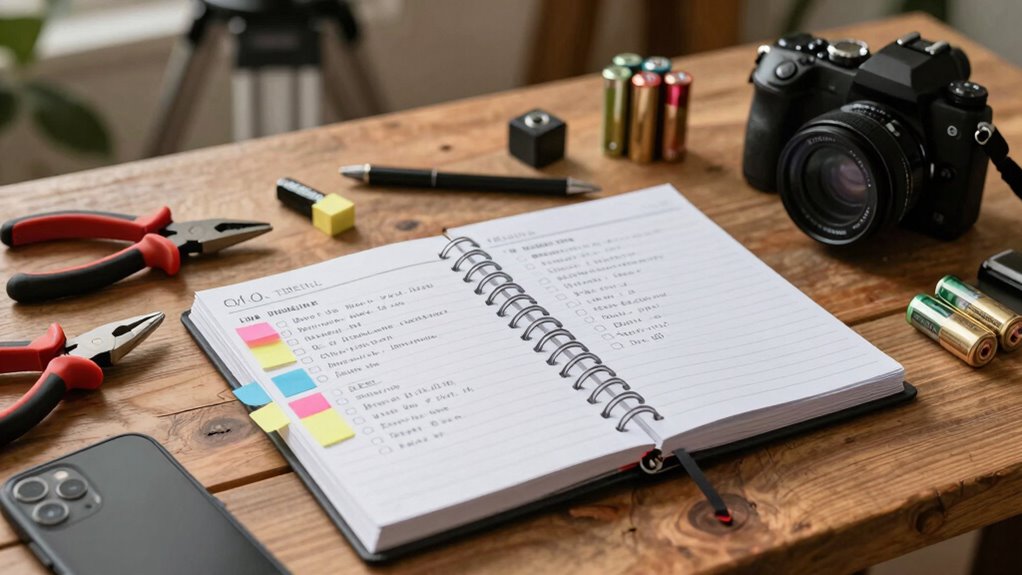

To build a scene checklist that leaves nothing behind, start by breaking down each scene into key elements like visuals, props, costumes, and actors’ movements. List the required equipment and confirm everything is in working order. Include set details, camera angles, special effects, and logistical info. Regularly update your checklist to keep things on track and guarantee smooth production. Keep reading to discover how to tailor your checklist for efficient and stress-free filmmaking.
Key Takeaways
- Break down each scene into visual, emotional, and technical components to ensure comprehensive planning.
- List all necessary equipment, props, costumes, and set details specific to each scene in advance.
- Include actor positions, movements, and choreography to visualize scene flow and camera angles.
- Regularly update the checklist with new ideas or adjustments to maintain accuracy and efficiency.
- Use diagrams, sketches, or notes to clarify visual effects, camera shots, and scene layout for team reference.
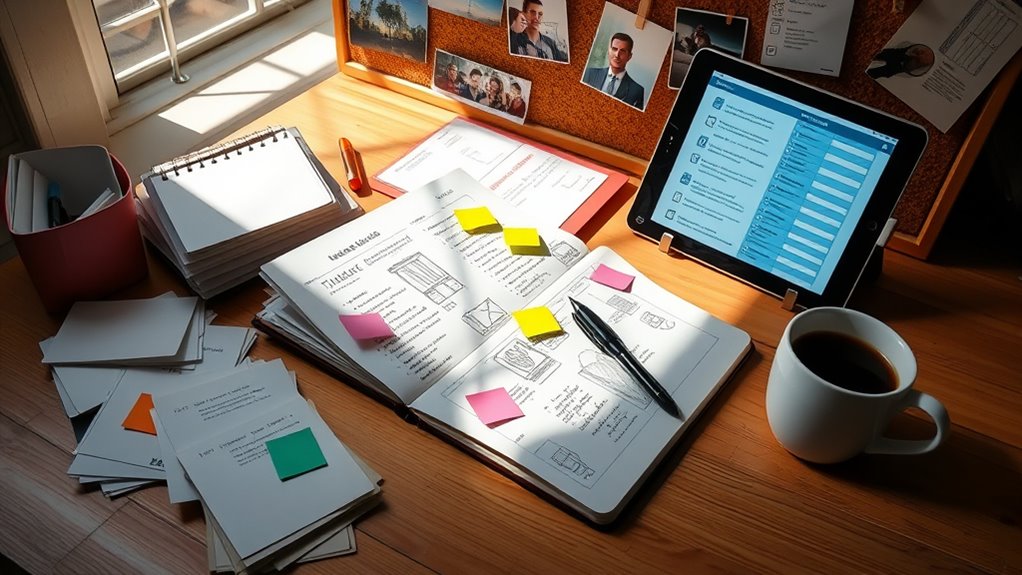
Creating a scene checklist is an essential step in organizing your writing process and guaranteeing your story flows smoothly. It acts as your roadmap, helping you stay on track and preventing overlooked details that could disrupt your narrative. When building your scene checklist, start by breaking down each scene into its core elements. Think about the storyboarding tips you’ve learned—visualize each scene as a storyboard frame. This approach allows you to anticipate what’s needed visually and emotionally, making sure nothing feels out of place. As you plan, consider the specific equipment you’ll require for each scene. Equipment preparation isn’t just about having props or costumes; it’s about making certain your filming or staging gear is ready to go, so you don’t waste time troubleshooting during production. Check batteries, memory cards, lighting, and sound equipment in advance, and note any special requirements for each scene. This foresight saves you from scrambling at the last minute and keeps your workflow seamless. Additionally, understanding Free Floating elements in your scene layout can help you create a more natural and immersive environment for your audience. When creating your scene checklist, think about the logistical details. List out actors, their positions, and any movement or choreography needed. Clarify the set design, props, and costumes for each scene. This way, you confirm everything is accounted for before shooting or writing, reducing the risk of missing vital elements. Incorporate storyboarding tips by sketching quick visual notes next to each scene on your checklist. These sketches don’t need to be artistic masterpieces—simple diagrams can help you visualize camera angles, actor placements, or key visual effects. This visual planning complements your written list and makes it easier to communicate your vision to your team or keep track of your ideas. Don’t forget to include a section dedicated to equipment preparation. Make a checklist of all gear needed for each scene, including backup options. Confirm that your cameras, microphones, lighting, and other devices are in working order. This step guarantees you’re not caught off guard by technical issues. Additionally, note any special effects, set modifications, or location-specific needs, so you’re fully prepared. As you build your scene checklist, keep updating it as your project develops. Being meticulous about storyboarding tips and equipment preparation means your production process becomes more efficient, your scenes more cohesive, and your story more compelling. With a well-structured scene checklist, you’ll spend less time worrying about missing details and more time focusing on bringing your story to life.

Photography Notebook: Track Camera Settings And Improving Your Shooting Skill | Film Camera Log Book
As an affiliate, we earn on qualifying purchases.
As an affiliate, we earn on qualifying purchases.
Frequently Asked Questions
How Detailed Should My Scene Checklist Be?
Your scene checklist should be detailed enough to cover all essential elements like props organization and lighting setup. Include specific items like costume details, camera angles, and background elements to avoid surprises. Break down tasks into manageable steps, guaranteeing nothing gets overlooked. A thorough checklist keeps your shoot organized, saves time, and ensures each scene aligns with your vision, making the entire process smoother and more efficient.
When Should I Update My Scene Checklist During Production?
You should update your scene checklist during production whenever there’s a change in script continuity or set dressing. As scenes evolve, new props or adjustments might be needed, so stay flexible. Regularly review your checklist after rehearsals and before shooting each scene to catch any missed details. This helps guarantee consistency, proper set dressing, and seamless flow, reducing the risk of overlooking essential elements that could disrupt continuity later.
Can a Scene Checklist Help With Scheduling?
Yes, a scene checklist can substantially improve your scheduling. It helps you anticipate scene continuity challenges and coordinate your cast efficiently, preventing delays. By outlining each scene’s requirements upfront, you’ll discover potential conflicts early, giving you time to adjust your schedule. This proactive approach keeps production smooth, ensuring everyone’s ready when needed. Don’t underestimate its power—your scene checklist is the secret weapon for seamless scheduling and flawless continuity.
How Do I Prioritize Items on My Scene Checklist?
You prioritize items on your scene checklist by establishing a clear scene hierarchy, which helps you identify the most critical elements first. Focus on essential props and set pieces that drive the story, then organize your prop collection efficiently. Use categories to group similar items, ensuring you address the most important tasks upfront. This approach streamlines your workflow, keeps you organized, and guarantees nothing gets overlooked during production.
What Tools or Software Are Best for Creating Scene Checklists?
You should use tools like Celtx, StudioBinder, or Scenechronize for creating scene checklists, as they streamline production planning and offer customizable checklist templates. These software options help you organize scenes, actors, and equipment efficiently. By using production-specific tools, you guarantee nothing gets overlooked, and your scene checklist remains clear and accessible. Choose software that fits your workflow, and take advantage of built-in checklist templates to save time and stay organized.
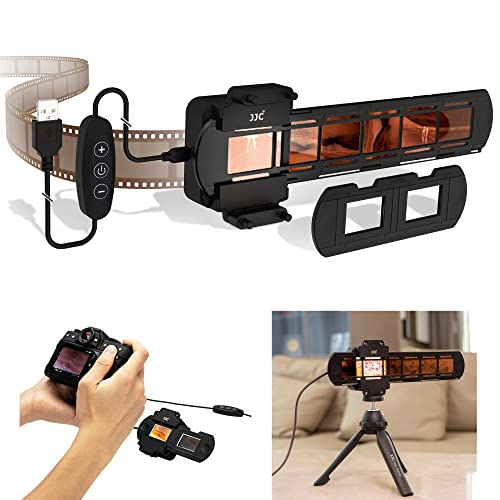
JJC 35mm Negative Film Scanning Copying LED Light Set Includes Slides Holder, Film Strip Holder, USB Light Viewer with Shoe Mount and 10 levels Adjustable for Old Photos Negatives Converter to Digital
Specially designed for old negative copying, converts film & slides to digital files, can help you save memories…
As an affiliate, we earn on qualifying purchases.
As an affiliate, we earn on qualifying purchases.
Conclusion
Creating a scene checklist is like packing a suitcase for a trip—you don’t want to forget your essentials or leave behind something vital. When I first started, I once overlooked a key detail, and the scene felt flat. Now, with a solid checklist, I guarantee every element is in place, making my storytelling seamless. Think of it as your safety net, catching overlooked details before they slip through, so your scenes shine and your story flows effortlessly.

Storyboard Notebook 16:9: Blank Storybook Sketchbook | 16:9 Thumbnail Template Panels | Large Story Board Sketch Pad | Professional Storyboard Journal … Directors, Students, Animators & Artists
As an affiliate, we earn on qualifying purchases.
As an affiliate, we earn on qualifying purchases.

Skytex Softbox Lighting Kit(2Pack), 20x28in Soft Box | 85W 2700-6400K E27 LED Bulb Continuous Photography Lighting, Photo Studio Lights Equipment for Camera Shooting, Video Recording
The kit included: 2pcs 20" x 28"/50cm x 70cm Softbox +2pcs 85W 2700-6400K 100V-240V LED Light Bulb +…
As an affiliate, we earn on qualifying purchases.
As an affiliate, we earn on qualifying purchases.