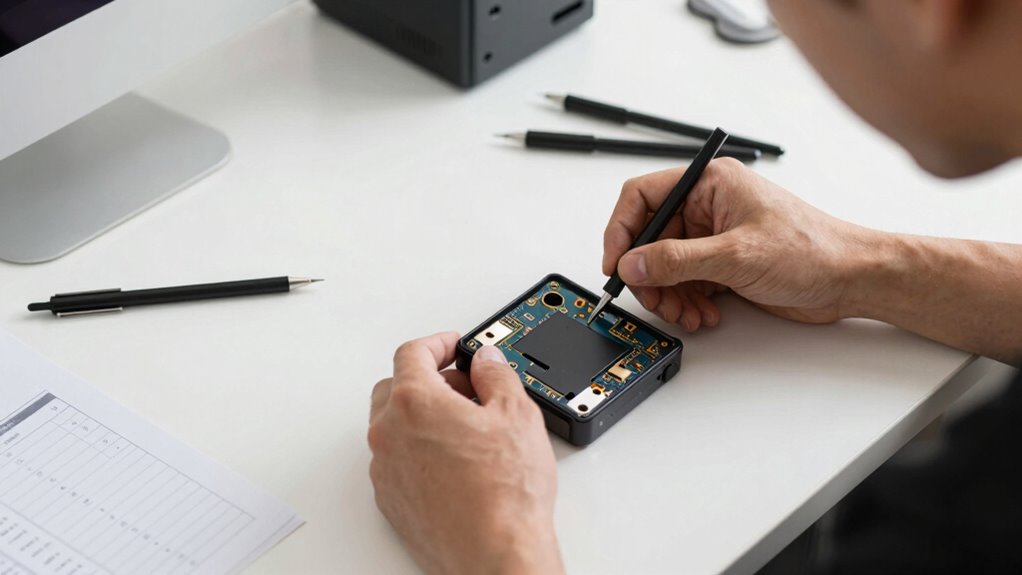

To tear down a device safely, start with thorough planning and familiarize yourself with each component’s fragility and function. Use the right tools like precision screwdrivers and anti-static measures to prevent static discharge. Handle parts gently, and organize screws and small parts carefully to avoid confusion or damage. Always follow a step-by-step disassembly approach, considering sensitive areas and avoiding force. Keep dangers like static electricity in mind, and with proper care, you’ll reduce risks—if you continue, you’ll discover more essential tips.

Get decor and gifts delivered free with Prime
- Fast, free delivery on millions of items
- Prime Video, Amazon Music and more included
- Member-only deals all year
Key Takeaways
- Follow a detailed checklist to ensure safe disassembly and prevent damage to components.
- Use appropriate, well-maintained tools and work slowly with gentle pressure.
- Handle parts carefully, organizing screws and small parts to avoid confusion or loss.
- Ground yourself with anti-static measures to protect sensitive electronics from static discharge.
- Understand each component’s fragility and plan disassembly to minimize the risk of accidental harm.
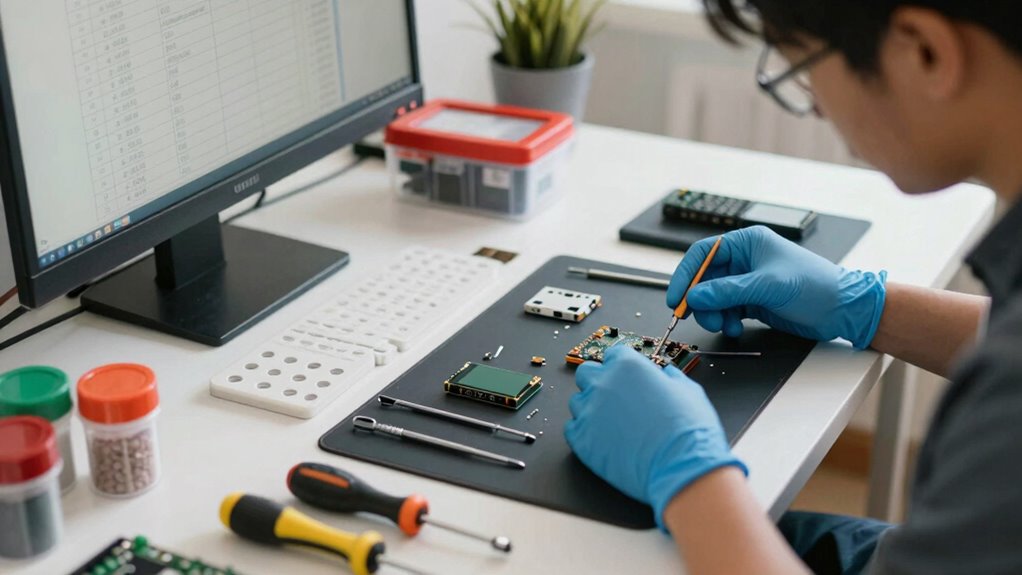
Performing a teardown can be a delicate process, but following a thorough checklist helps prevent damage and guarantees safety. When you’re working with delicate components, maintaining component safety is essential. Mishandling parts can lead to costly damage or even render a device unusable. That’s why it’s imperative to familiarize yourself with each component’s function and fragility before you begin. Carefully examine the device’s layout, noting the location of sensitive parts, and plan your approach accordingly. This proactive step minimizes the risk of accidental harm during disassembly.
Thorough planning and understanding of components are crucial to a safe and damage-free teardown process.
Tool compatibility is another key aspect of a safe teardown. Using the wrong tools can cause scratches, deform parts, or break connectors. Make certain you select tools that are appropriate for each step—precision screwdrivers, plastic pry tools, and anti-static brushes are often necessary for electronics, for example. Verify that your tools are in good condition and suited for the task at hand. Avoid makeshift solutions or cheap alternatives, as these can slip or damage components. When you’re ready to disassemble, work slowly and deliberately, applying gentle pressure to avoid cracking or bending parts. Remember, force is rarely your friend in these situations. Additionally, understanding component fragility helps you handle parts with greater care and avoid unnecessary damage. Recognizing the importance of proper handling ensures you minimize the risk of accidental harm.
As you proceed, keep track of each piece you remove. Organize screws and small components in labeled containers or on a magnetic mat to prevent confusion during reassembly. This practice helps preserve component safety by reducing the risk of mixing up parts or losing critical pieces. Additionally, be mindful of static electricity, which can damage sensitive electronics. Use an anti-static wrist strap or mat to ground yourself and protect internal circuits from electrostatic discharge. This extra step guarantees your teardown doesn’t inadvertently harm crucial components. To further safeguard electronic parts, consider grounding yourself before beginning the disassembly process. Being aware of static electricity risks is vital for a safe and successful teardown. Moreover, understanding the importance of proper handling and environment can significantly reduce electrostatic discharge risks during disassembly.
precision screwdriver set for electronics
As an affiliate, we earn on qualifying purchases.
As an affiliate, we earn on qualifying purchases.
Frequently Asked Questions
What Tools Are Safest for Delicate Teardown Tasks?
For delicate teardown tasks, you should use precision tools like fine-tipped screwdrivers, plastic pry tools, and soft brushes. These tools minimize damage and allow for careful handling. Always wear protective gear, such as gloves and safety glasses, to keep yourself safe from accidental slips or debris. Using the right precision tools combined with proper protective gear guarantees your teardown is safe, controlled, and damage-free.
How Do I Identify Hidden or Fragile Components?
Think of your teardown as a treasure hunt—hidden or fragile components are like delicate gems awaiting careful discovery. You identify them through thorough component labeling, noting subtle clues like thinner materials, discoloration, or fine wiring. Slow, deliberate movements prevent damage, and consulting schematics helps map out these delicate areas. By staying vigilant and respecting each part’s uniqueness, you guarantee a damage-free teardown, preserving the integrity of every precious component.
What Should I Do if I Encounter Unexpected Resistance?
If you encounter unexpected resistance, stop and assess the situation. Handle stubborn screws gently by applying steady, even pressure and using the right tools. Protect sensitive surfaces by using plastic pry tools or soft cloths to avoid scratching or damage. Don’t force anything; forcing can cause breakage or damage. Instead, double-check for hidden screws or obstructions and consider applying a bit of penetrating oil if needed, ensuring a safe and damage-free teardown.
How Can I Dispose of Damaged Parts Responsibly?
Disposing of damaged parts responsibly is vital—you don’t want to cause a disaster! First, check recycling options to see if parts can be reused or repurposed. If they contain hazardous waste, handle them with care and follow local regulations for hazardous waste disposal. Contact your local waste management authority for specific guidelines. Proper disposal keeps the environment safe and prevents potential health risks, making your teardown process both responsible and eco-friendly.
Are There Specific Safety Precautions for Electrical Components?
Yes, there are specific safety precautions for electrical components. You should always disconnect power before handling any electrical parts, ensuring electrical safety. Wear insulated gloves and use proper tools to avoid shocks. Check component insulation to prevent accidental contact with live parts. Handle capacitors carefully, as they can retain charge. Following these precautions helps prevent injuries and damage during teardown, making your process safer and more efficient.
Conclusion
By following this teardown checklist, you protect your equipment, preserve its integrity, and guarantee a smooth process. Stay organized, stay cautious, and stay methodical—these steps keep damage at bay. Remember, preparation prevents problems, patience prevents mistakes, and attention prevents accidents. With these principles, you minimize risks, maximize success, and turn a formidable task into a manageable one. Keep these in mind, and you’ll tear down without tears, every time.
Fall Picks
fall essentials
As an affiliate, we earn on qualifying purchases.