
To make your walkthroughs feel bigger and more professional, focus on simple DIY scene shifts like fade-ins, fade-outs, and slide effects. These techniques create smooth connections between scenes and soften jarring cuts. Using masking, animated reveals, or layered clips can add creative flair without complex tools. Choosing transition styles that match your video’s tone boosts immersion. Keep experimenting with these tricks, and you’ll discover how small effects can dramatically elevate your videos. Keep going to learn even more tips.
Key Takeaways
- Use simple fade-ins and fade-outs to create seamless scene transitions and add a sense of continuity.
- Incorporate wipe or slide effects to introduce movement and make scenes feel larger and more dynamic.
- Animate masks or layer clips with adjusted opacity to reveal scenes creatively and smoothly.
- Utilize quick, subtle visual effects like light reveals or ghosting to enhance depth and immersion.
- Maintain consistent transition styles to establish a cohesive visual rhythm and make walkthroughs feel more expansive.
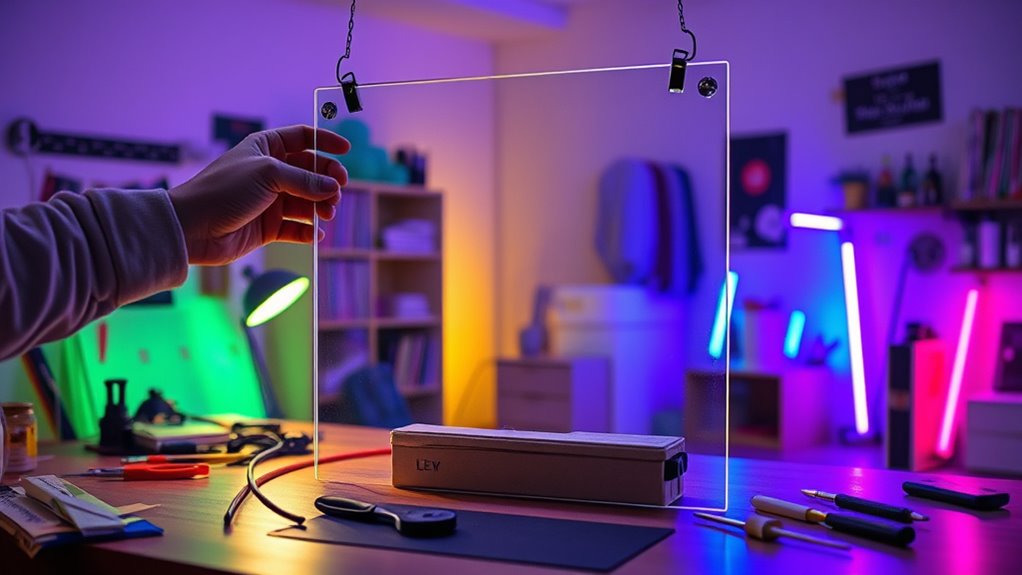
Scene shifts are essential for creating smooth and engaging videos, and you don’t need fancy software to achieve professional results. With simple editing techniques, you can craft seamless scene transitions that make your walkthroughs feel bigger and more immersive. The key lies in understanding how to use visual effects effectively so your audience stays hooked from start to finish. You don’t have to be a pro to pull off these tricks—just a little practice and some creative thinking.
To start, think about how scene transitions can act as visual bridges between different parts of your video. Instead of abrupt cuts that can jolt viewers out of the experience, you can use simple effects like fade-ins, fade-outs, or wipes. These techniques soften the shift and give your video a more polished feel. For example, a quick fade to black before moving to a new scene can create a sense of continuity, making the transition feel natural rather than jarring. You can also experiment with slide effects, where one scene slides off-screen as the next slides in, giving a dynamic feel that adds movement and energy.
Scene transitions act as visual bridges, softening cuts with fade, wipe, or slide effects for a seamless flow.
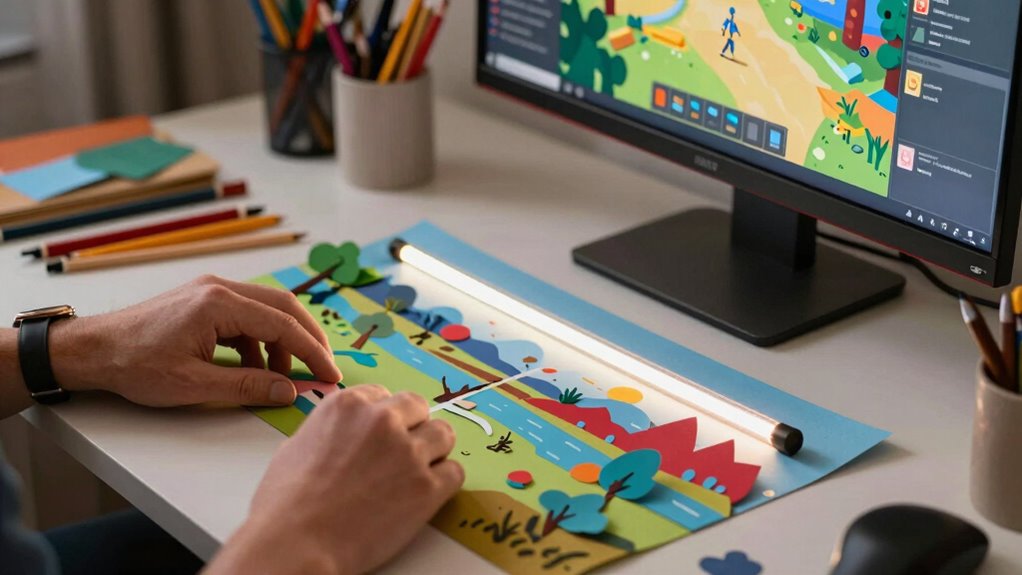
Using editing techniques such as masking and layering can also enhance your scene shifts. Masking allows you to hide or reveal parts of your footage, which can create the illusion of a scene morphing into another. For instance, you could animate a mask that gradually covers the screen, then reveals the next scene underneath. Layering different clips and adjusting their opacity can produce creative transitions, like ghosting effects or light reveals, which add a professional touch without needing advanced software. These visual effects, when timed well, can trick the eye into believing scenes flow naturally into each other, making your walkthroughs feel larger and more cinematic.
Additionally, think about how to match your transition style with the tone of your content. Fast, flashy effects work well for energetic videos, while subtle fades suit more relaxed or professional walkthroughs. The goal is to maintain cohesion and avoid overwhelming viewers with too many effects. Keep your transitions consistent to establish a visual rhythm throughout your video. This consistency helps your audience follow along smoothly and enhances the overall flow.
Furthermore, understanding how visual effects can be used to mimic more complex transitions without expensive tools is a game-changer for DIY creators. In essence, mastering simple visual effects and editing techniques for scene transitions can elevate your walkthroughs considerably. You don’t need expensive tools—just some patience and a good eye for timing. When you use these tricks effectively, your videos will not only look more professional but will also feel bigger, more dynamic, and more engaging. The right scene shifts can transform a basic walkthrough into an immersive experience that keeps viewers hooked from start to finish.

Video Editing Software Pack | Editor, YouTube Downloader, MP3 MP4 Converter, Green Screen App | 10K Transitions for Premiere Pro and Sound Effects | Windows and Mac 64GB USB
10,000+ Premiere Pro Assets Pack: Including transitions, presets, lower thirds, titles, and effects.
As an affiliate, we earn on qualifying purchases.
As an affiliate, we earn on qualifying purchases.
Frequently Asked Questions
Can DIY Scene Transitions Be Used in Live Streaming?
Yes, DIY scene shifts can be used in your streaming setup. They add a professional touch and make your stream more engaging. Just pay attention to shift timing to guarantee smooth shifts between scenes. You can create custom transitions with simple tools, making your stream look polished without extra cost. Practice timing and effects to keep viewers interested, and you’ll make your live stream feel more dynamic and seamless.
What Tools Are Essential for Creating Scene Transitions?
You don’t need fancy gadgets to craft eye-catching scene shifts; sometimes, simple software options like OBS, Streamlabs, or DaVinci Resolve work wonders. Ironically, the real magic lies in your creative techniques—animations, fades, or wipes—applied thoughtfully. These tools give you the flexibility to enhance your streams effortlessly, making your transitions feel seamless and professional. Just experiment, and you’ll find that the right software and techniques turn basic moves into captivating moments.
How Long Does It Typically Take to Master DIY Transitions?
It generally takes a few weeks to a few months to master DIY shifts, depending on how much you practice consistency and experiment creatively. You’ll improve faster if you dedicate regular time to experimenting with different techniques and tools. Keep pushing your skills, stay patient, and don’t be afraid to try new ideas. Over time, your transitions will become smoother, more seamless, and more professional-looking.
Are There Any Common Mistakes to Avoid?
Avoid common mistakes like rushing progression timing or neglecting visual consistency. You might think faster is better, but sloppy timing ruins flow, and inconsistent visuals break immersion. Don’t forget, a smooth, well-timed shift keeps viewers engaged, so take your time and double-check your edits. Trust me, no one wants a jarring cut or mismatched colors—unless you’re aiming for chaos. Keep it seamless, and your walkthrough will look professional without breaking a sweat.
Can DIY Scene Transitions Be Customized for Different Game Genres?
Yes, you can definitely customize DIY scene shifts for different game genres. By using genre-specific styles, you guarantee transitions match the game’s tone, whether it’s a horror, sci-fi, or fantasy. Incorporate animation customization to enhance immersion, making each transition feel natural and fitting. Experiment with color schemes, effects, and pacing to create seamless, personalized transitions that elevate your walkthrough’s overall quality and engagement.

Music Software Bundle for Recording, Editing, Beat Making & Production – DAW, VST Audio Plugins, Sounds for Mac & Windows PC
No Demos, No Subscriptions, it's All Yours for Life. Music Creator has all the tools you need to…
As an affiliate, we earn on qualifying purchases.
As an affiliate, we earn on qualifying purchases.
Conclusion
Now that you’ve mastered DIY scene transitions, your walkthroughs will flow like a seamless river, guiding viewers effortlessly from one moment to the next. Picture each cut as a gentle breeze that carries the story forward, making your world feel bigger and more immersive. With a little creativity and practice, your scenes will blend smoothly, pulling your audience into a vibrant, living universe. Keep experimenting, and watch your walkthroughs transform into captivating journeys they won’t forget.

TOUR BOX Elite – Bluetooth Video Editing Controller Color Grading Speed Editor, Intuitive Control, Professional Digital Creator Console for Davinci, Premiere, Final Cut Pro and More, Mac/PC (Black)
TourBox Elite is the professional controller with dual connectivity (Bluetooth & USB-C), built for a stable, high-performance experience…
As an affiliate, we earn on qualifying purchases.
As an affiliate, we earn on qualifying purchases.

Fading Light Magic Tricks LED Thumb Light Fade in and Fade Out Effects Stage Illusions Gimmicks Props
The World's First Thumb Light with Fade In & Fade Out Effects
As an affiliate, we earn on qualifying purchases.
As an affiliate, we earn on qualifying purchases.