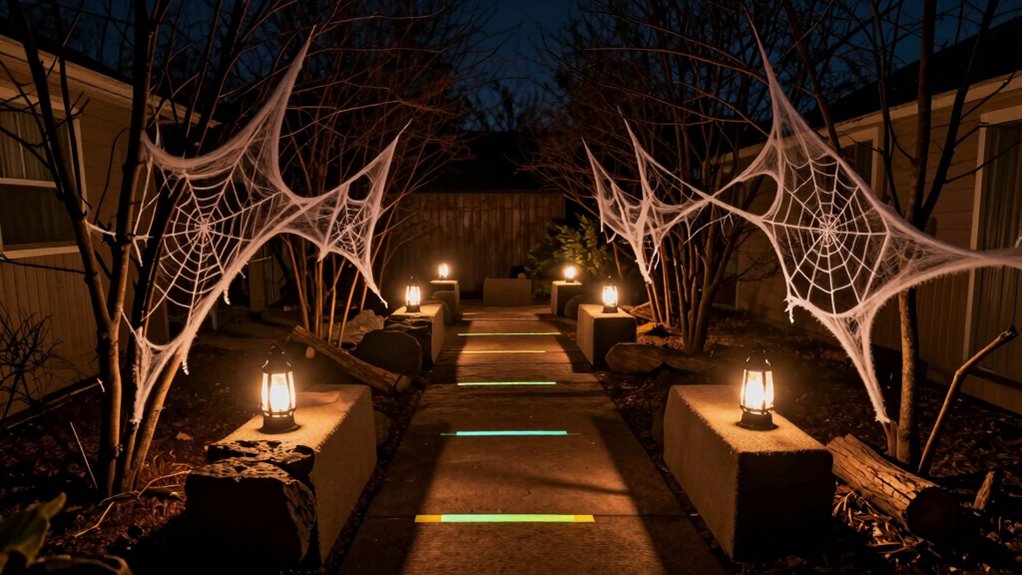

To create a safe actor path in your home haunt, map out the entire route, noting tight corners, stairs, and uneven surfaces. Guarantee good lighting, add reflective decorations, and clearly mark boundaries to guide performers and prevent wandering into hazard zones. Choose comfortable, non-restrictive costumes with safety features, and keep a first aid kit nearby. Regularly review safety measures and make adjustments as needed—continuing will help you master a secure, enjoyable haunt experience.
Key Takeaways
- Map the route thoroughly, noting hazards, adding signage, and marking boundaries to guide actors safely.
- Choose lightweight, non-restrictive costumes with reflective elements and ensure proper footwear for stability.
- Install adequate lighting and visual cues like glow-in-the-dark features to enhance visibility and hazard awareness.
- Establish clear safety protocols, assign safety coordinators, and keep accessible first aid and evacuation routes.
- Regularly review and update safety measures based on feedback, adjusting pathways and signage to maintain safety.
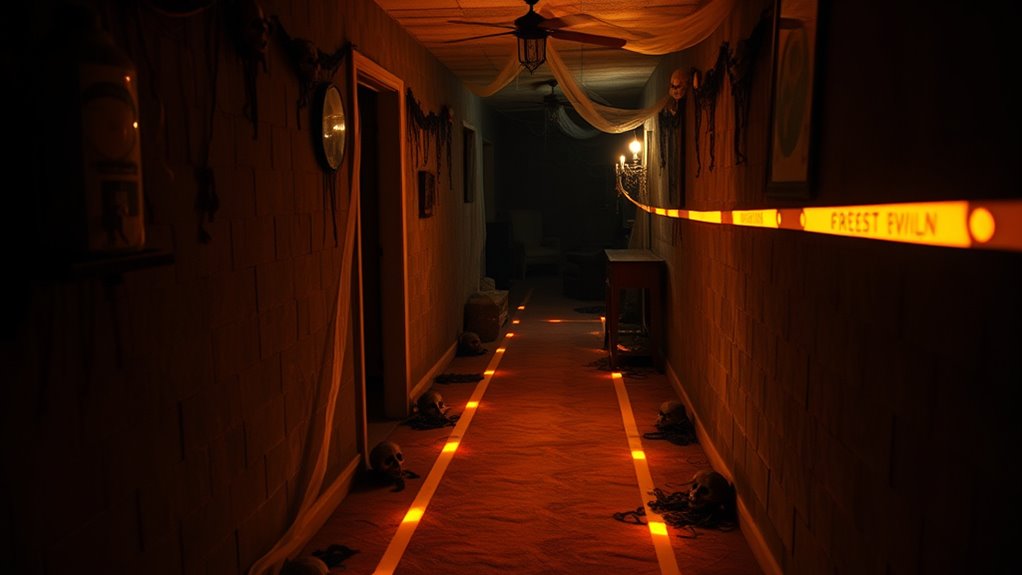
When designing your home haunt, establishing a clear and secure actor path is essential to guarantee both performers and guests have an enjoyable experience. A well-defined pathway ensures that actors can move smoothly without confusion or risk of injury, creating an immersive yet safe environment. To achieve this, start by mapping out the entire route, identifying areas where performers need to navigate tight corners, stairs, or uneven surfaces. Make sure these areas are well-lit and free of obstacles to prevent trips and falls. Clear signage or tape can help mark boundaries and guide actors along the correct route, reducing the chance of wandering into guest spaces or hazardous zones.
Costume safety is a critical aspect of maintaining a safe actor path. When selecting costumes, opt for lightweight, non-restrictive materials that won’t impede movement or vision. Avoid long, flowing fabrics that could catch on props or trip actors. Attach reflective tape or glow-in-the-dark elements to costumes and shoes to enhance visibility in dim lighting, especially if your haunt operates after sunset. Proper footwear is equally important—encourage actors to wear sturdy, comfortable shoes with good traction to prevent slips. Regularly inspect costumes for loose parts or sharp edges that could cause injuries, and provide quick fixes to keep everything secure during the event.
Costume safety includes lightweight fabrics, reflective elements, sturdy shoes, and regular inspections to prevent injuries.
Emergency planning is another essential component of your actor path safety. Prepare for potential incidents by establishing clear procedures and communicating them to your team before the event begins. Assign designated safety coordinators who can respond quickly if someone gets injured or if there’s a sudden hazard. Keep a well-stocked first aid kit nearby and ensure all actors know its location. Establish a quick way for actors to alert others if they need assistance, such as radios or hand signals. Think through possible emergencies like fires, medical issues, or structural failures, and plan specific evacuation routes that are easy to access and clearly marked. Conduct a brief safety orientation with your actors before the haunt opens, emphasizing the importance of staying on the designated path, watching out for hazards, and knowing how to respond in case of an emergency. Incorporating projector technology can also help create visual cues or atmospheric effects that guide actors along the route safely. Creating a safe actor path is about more than just avoiding accidents—it’s about fostering confidence among your performers so they can focus on delivering a memorable experience. By prioritizing costume safety and thorough emergency planning, you guarantee that everyone involved can enjoy the event without unnecessary risks. Regularly review and adjust your safety measures based on feedback and observed challenges, keeping safety at the forefront as your haunt evolves. This proactive approach helps you create a home haunt that’s both thrilling and secure for everyone.

Haunted Hill Farm Soul Sucker Demon Reaper with Child by Tekky, Motion-Activated Talking Halloween Animatronic for Creepy Indoor or Covered Outdoor Halloween Decorations, Plug-in or Battery Operated
Premium Life-size Animatronic: Soul Sucker is perfect for indoors or a covered outdoor area so place our evil...
As an affiliate, we earn on qualifying purchases.
Frequently Asked Questions
What Materials Are Best for Non-Slip Actor Pathways?
You should use cost-effective, weather-resistant materials like textured outdoor paint, rubber mats, or adhesive grip tape for non-slip actor pathways. These options provide excellent traction and durability, even in wet or muddy conditions. Rubber mats and grip tape are easy to install and maintain, ensuring safety. Avoid slick surfaces; instead, choose materials that stay secure underfoot, keeping your actors safe while enhancing the overall haunt experience.
How Can I Prevent Tripping Hazards Along the Actor Route?
To prevent tripping hazards along your actor route, you should regularly inspect the path for debris and uneven surfaces, maintaining trip hazard awareness. Use clear actor route signage to guide performers and keep them alert. Additionally, secure all cords, props, and decorations to avoid obstacles. Keep the walkway well-lit, especially in low-light conditions, so actors can see potential hazards early and navigate safely throughout your haunt.
What Lighting Options Ensure Actor Safety at Night?
At night, you need lighting that’s both effective and safe for your actors. Use low-voltage LED lights or battery-powered lanterns along the path to illuminate hazards without creating glare. *Guarantee* all lighting is placed in fire-resistant materials and securely mounted to prevent accidents. Remember, Halloween costume safety includes avoiding open flames. With the right lighting, you keep your actors visible, safe, and immersed in the spooky atmosphere, night after night.
How Do I Accommodate Actors With Mobility Challenges?
You should design accessible pathways that accommodate actors with mobility challenges, guaranteeing they can move comfortably and safely. Use smooth, wide surfaces free of tripping hazards, and include ramps or handrails where needed. Consider costume considerations by choosing outfits that won’t restrict movement or cause discomfort. Regularly check pathways for obstacles, and communicate with actors about their needs to ensure everyone can participate comfortably and safely.
What Emergency Protocols Should Be in Place for Actors?
You should establish clear emergency response and evacuation procedures before opening your haunt. Make sure actors know how to quickly and safely exit in case of fire, medical emergency, or other hazards. Conduct regular drills so everyone’s prepared, and keep accessible emergency equipment nearby. Communicate these protocols clearly to actors, emphasizing the importance of staying calm and assisting guests if needed, ensuring everyone’s safety during unexpected situations.

Spirit Halloween 4 Ft 6 In Scary Sitting Scarecrow Animatronic, Multicolor
Bring any Halloween display to life by adding this Scary Sitting Scarecrow Animatronic to your home decor. This...
As an affiliate, we earn on qualifying purchases.
Conclusion
Now that you’ve set up your actor path with safety in mind, imagine the thrill of your home haunt coming alive—until suddenly, a hidden obstacle or unexpected stumble lurks just around the corner. Will your careful planning hold up when the night gets spooky and excitement runs high? By staying vigilant and prepared, you can keep the scare fun and safe for everyone. After all, the real thrill is knowing you’re ready for whatever surprises come your way.
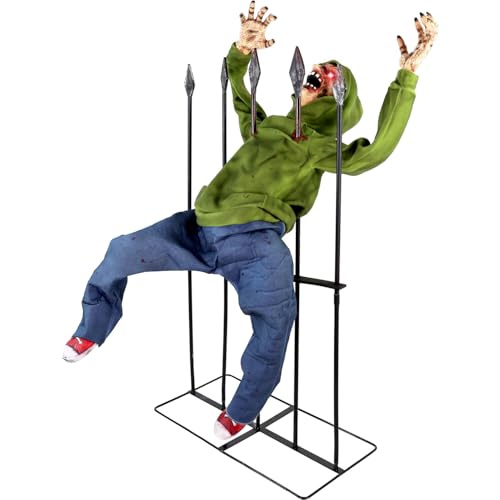
Haunted Hill Farm 4.4-Ft Animatronic Impaled Zombie, Halloween Animatronic, Creepy Party Decoration, Spooky Décor, Macabre Gift for Horror Movie Lovers, Voice-Activated Lights & Sound, Life-Size
Premium Life-Size Animatronic: Frighten guests and trick-or-treaters with this premium quality spine-chilling Halloween decoration
As an affiliate, we earn on qualifying purchases.

TW SHINE Halloween Doll Decorations Outdoor Animatronics, 40" Crawling Scary Groundbreaker Zombie Sound Activated with Lighted Eyes and Voice for Outside Yard Graveyard Haunted House Prop Decor
Animated Clawing Zombie: Dressed in a white gown, this terrifying zombie features a lifelike face with realistic cracks....
As an affiliate, we earn on qualifying purchases.