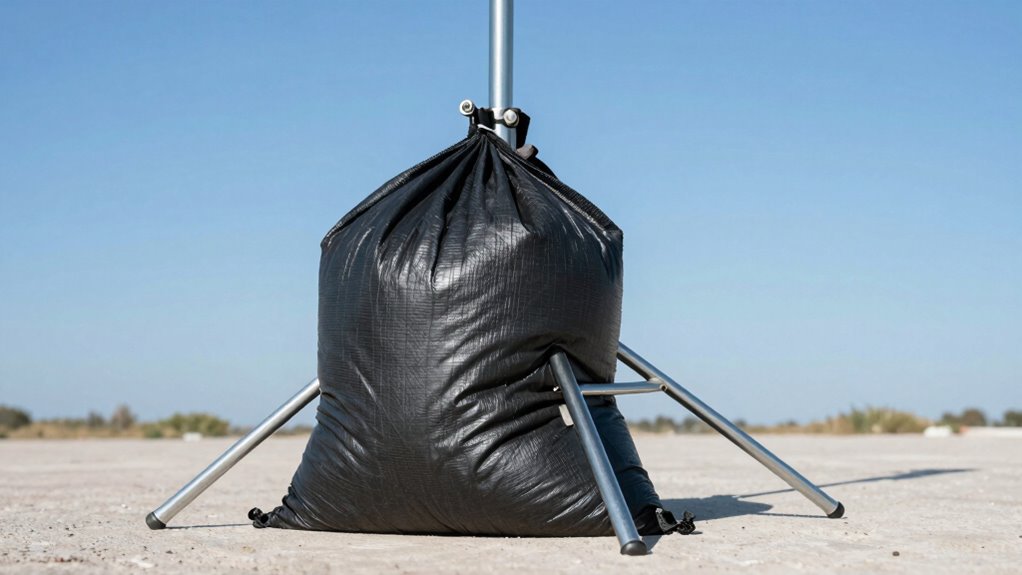
Securing your light stand with sandbags isn’t optional because it keeps your equipment stable and prevents dangerous accidents. Without proper weight, stands can tip over from wind, bumps, or uneven surfaces, risking damage and injury. Proper setup and regular checks are vital, especially outdoors or in crowded spaces. Using sandbags ensures your lights stay safe and secure. Keep going to discover essential safety tips that will help you protect both your gear and yourself.

Get decor and gifts delivered free with Prime
- Fast, free delivery on millions of items
- Prime Video, Amazon Music and more included
- Member-only deals all year
Key Takeaways
- Sandbagging adds essential weight to light stands, preventing tip-overs from wind, bumps, or uneven surfaces.
- Properly secured stands reduce the risk of lights crashing, which can damage equipment or cause injuries.
- Using sandbags ensures stability, especially in outdoor or crowded indoor environments.
- Neglecting sandbagging increases safety hazards and potential property damage during shoots.
- Regularly inspecting and securely placing sandbags on stands is critical for overall setup safety.
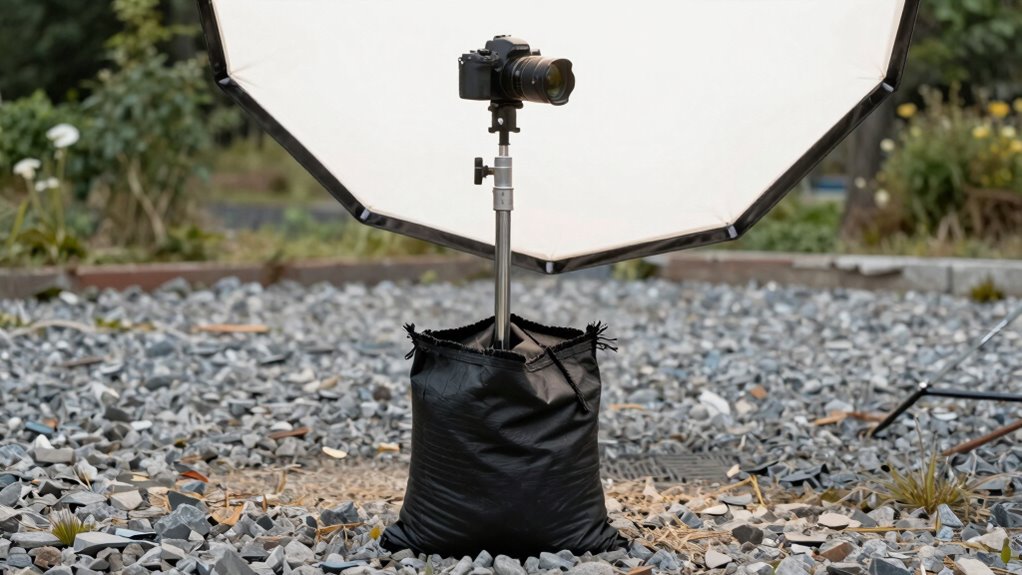
Light stands are essential tools in photography and videography, but if not used properly, they can pose safety risks. Whether you’re setting up a small shoot or a large production, understanding how to secure your lighting equipment is critical. The most overlooked aspect of safety often involves simple measures like sandbagging your stands, but neglecting this step can lead to serious accidents. When you’re working with lighting equipment, stability isn’t optional — it’s a must. Wind, accidental bumps, or uneven surfaces can cause your light stand to topple, risking damage to your gear or injury to yourself and others nearby.
Power safety is equally important when working with lighting equipment. Many lights rely on electrical connections, and improper handling can lead to shocks, short circuits, or fires. Always check your power cords for damage before plugging in, and use grounded outlets to minimize the risk of electrical hazards. Avoid overloading power strips, and ensure your cords are neatly managed to prevent tripping. When working with lights that require high wattage, make sure your electrical system can handle the load safely. Using the correct extension cords and avoiding daisy-chaining multiple power strips helps prevent overheating and potential fires.
Sandbagging your light stands isn’t just about preventing tip-overs—it’s about safeguarding your entire setup. When you secure a stand with sandbags, you add weight that keeps it firmly planted on the ground, even in breezy outdoor conditions or crowded indoor spaces. You might think it’s an extra step, but it’s an essential one, especially if your lighting setup includes heavy or tall stands. Ignoring this simple safety measure can result in your lights crashing down unexpectedly, damaging your equipment and creating hazards for everyone on set. Proper setup procedures include ensuring your stands are balanced and stable before adding any lights or accessories. Additionally, understanding light stand stability can help you identify potential risks before they become accidents. Regularly inspecting your stands for wear and tear is also crucial to maintaining equipment security.
You should also be mindful of how you position your stands and lights. Place stands on flat, stable surfaces whenever possible, and avoid placing them near walkways or areas where people frequently move. Always double-check that your stands are fully extended and locked into place before hanging any weight on them. When working with power, switch off equipment before plugging or unplugging, and never force a connection if it doesn’t fit. Properly securing your lighting gear and practicing power safety protocols not only protect your equipment but keep everyone around you safe. Being aware of safety guidelines can help prevent common mistakes and ensure a secure setup.
Additionally, understanding how to properly secure your equipment can significantly reduce the risk of accidents and damage. Proper training and consistent safety practices are essential components of any effective setup. Ultimately, the key to light stand safety lies in consistent, attentive practice. Sandbagging isn’t optional, and respecting power safety guidelines prevents accidents. When you prioritize these safety measures, you ensure a smooth shoot and protect your investment in lighting equipment. Safety isn’t just an afterthought—it’s the foundation of every successful shoot.
As an affiliate, we earn on qualifying purchases.
Frequently Asked Questions
How Heavy Should Sandbags Be for Optimal Stability?
For maximum stability, you should use sandbags weighing at least 50 pounds each. This weight provides proper weight distribution, preventing light stands from tipping over. Consider the bag material too; sturdy, durable fabric like burlap or nylon keeps the sand secure and prevents leaks. Heavy enough sandbags ensure your equipment stays steady during shoots, especially in windy conditions, giving you peace of mind and safer working conditions.
Can I Use Alternative Weights Instead of Sandbags?
You can definitely use alternative weights, turning your setup into a playground of creative solutions. Think beyond traditional sandbags—use water jugs, bricks, or even heavy-duty backpacks filled with books. These options act like sturdy anchors, keeping your light stand grounded. Just make certain whatever you choose is stable and won’t tip over easily. With a little ingenuity, your lighting gear stays secure, and your shoot remains safe and smooth.
How Often Should I Inspect Light Stand Safety?
You should inspect your light stand safety at least once a week, especially before any shoot. Regular equipment maintenance helps identify loose parts, worn-out clamps, or unstable legs that could compromise safety. Following strict safety protocols ensures your stands remain secure during use. Always check for proper weight distribution and stability, and don’t forget to verify that sandbags or alternative weights are properly positioned to prevent accidents.
Are There Specific Sandbag Types Recommended for Lighting Gear?
You should choose sandbags made from durable materials like heavy-duty canvas or nylon, as these guarantee longevity and withstand rough handling. Look for sandbags specifically designed for lighting gear, featuring sturdy seams and weight capacity. Avoid flimsy or thin material bags that tear easily. Using high-quality, durable sandbags enhances safety by securely anchoring your light stand, preventing accidents and equipment damage during shoots.
What Are Common Mistakes That Compromise Light Stand Safety?
You might overlook equipment maintenance or neglect safety protocols, but these mistakes threaten stand stability. Common errors include not properly securing sandbags, overextending stands, or ignoring weight limits. These oversights can cause accidents, risking damage and injury. Always double-check your equipment, follow safety protocols diligently, and guarantee sandbags are strategically placed. Prioritizing these steps keeps your lighting setup secure, preventing accidents and maintaining a safe, professional environment on set.
Conclusion
Remember, neglecting sandbagging is like leaving your boat untied—you’re just asking for trouble. Securing your light stand with sandbags isn’t just a good idea; it’s your safety net against accidents and equipment damage. Think of it as giving your setup a sturdy anchor in a storm. By taking this simple step, you keep your shoot smooth and safe, letting you focus on capturing great shots instead of fixing mishaps. Stay secure, stay sharp!
Halloween Picks
halloween
As an affiliate, we earn on qualifying purchases.