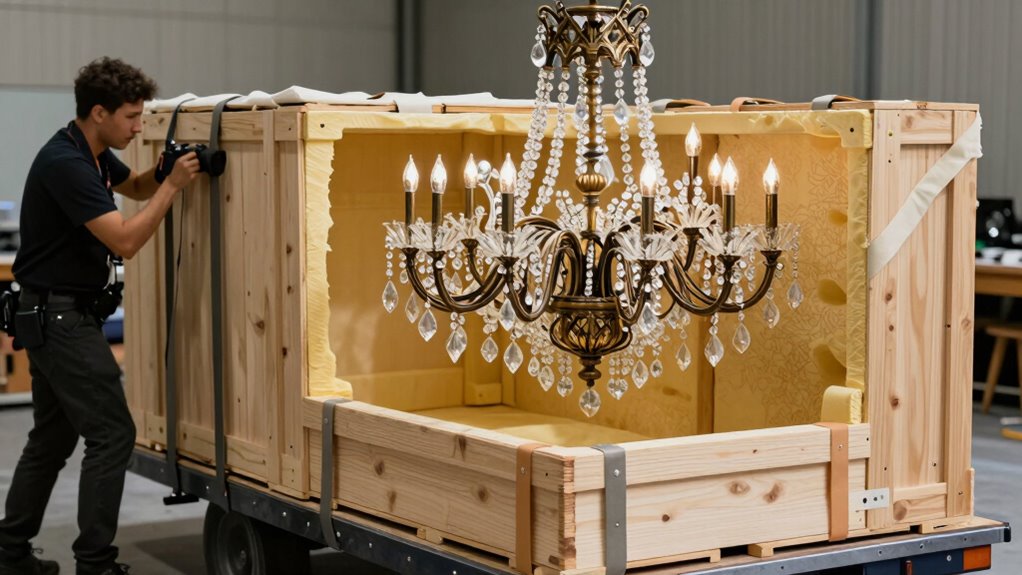

To move big props without breakage, start by disassembling large items if possible and wrapping them in protective padding like moving blankets or bubble wrap. Use sturdy straps or ropes to secure items and place softer padding between stacked pieces to absorb shocks. Lift with proper technique and enlist help to prevent fatigue and accidents. Carefully secure everything in your vehicle, ensuring weight is balanced. Keep these tips in mind to protect your props during transport and learn more for a smooth move.
Key Takeaways
- Disassemble large props into manageable sections to reduce weight and risk of damage.
- Wrap each piece with protective padding like moving blankets or foam.
- Secure items with straps or ropes inside the vehicle to prevent shifting during transit.
- Use proper lifting techniques and enlist help to avoid dropping or stressing the props.
- Balance and stabilize the load with padding and careful placement to prevent breakage.

Ever wondered how to move your props smoothly and securely without professional help? If you’re tackling big, fragile pieces, knowing the right approach can make all the difference. The first step is understanding safety precautions—your top priority to prevent injuries and damage. Always wear gloves to protect your hands from sharp edges and splinters, and consider eye protection if you’re handling particularly heavy or unstable items. Clear your path of obstacles and ensure the area is well-lit to avoid tripping or accidental drops. Use proper lifting techniques; bend at your knees, keep your back straight, and lift with your legs rather than your back. Don’t rush this part—taking your time reduces strain and lowers the chances of mishaps. If the item is especially large or heavy, enlist help or use tools like dollies, straps, or moving blankets to support and stabilize the piece. Properly securing your props during transit can prevent shifting and reduce the risk of damage.
Once safety is accounted for, focus on packing techniques that safeguard your props during transit. Start by wrapping the item in moving blankets, bubble wrap, or foam padding. Secure the padding with packing tape to prevent shifting. Pay close attention to corners and edges—they’re most vulnerable to damage—so add extra padding there. Disassemble large props if possible; removing parts not only makes them easier to handle but also reduces the risk of breakage. Keep all loose pieces in labeled boxes or bags, so nothing gets lost or damaged in transit. When loading, place the heaviest parts on the bottom, ensuring the weight distribution is balanced. Use straps or ropes to secure the props inside the vehicle, preventing movement during transit. If you’re stacking items, place softer padding between them to absorb shocks and prevent scratches.
Throughout the process, stay aware of your surroundings and communicate clearly if working with others. Take regular breaks to avoid fatigue, which can lead to careless handling. When unloading, follow the same safety precautions, lifting carefully and securing the items before moving them to their final spot. Remember, patience is key—rushing through the packing or lifting stages increases the risk of damage or injury. By combining safety precautions with effective packing techniques, you’ll be able to move your big props confidently, minimizing breakage and ensuring they arrive intact. Additionally, understanding the importance of natural materials can help you choose eco-friendly packing options that are gentle on your props and the environment. With a bit of planning and care, even the most unwieldy pieces can be transported smoothly, saving you time, money, and stress.

Haunted Hill Farm Soul Sucker Demon Reaper with Child by Tekky, Motion-Activated Talking Halloween Animatronic for Creepy Indoor or Covered Outdoor Halloween Decorations, Plug-in or Battery Operated
Premium Life-size Animatronic: Soul Sucker is perfect for indoors or a covered outdoor area so place our evil...
As an affiliate, we earn on qualifying purchases.
Frequently Asked Questions
What Tools Are Essential for DIY Prop Transport?
You’ll need vital tools like sturdy transport carts to move big props smoothly, reducing the risk of damage. Prop wrapping is vital for protecting surfaces during transit, so keep plenty of bubble wrap, foam padding, and blankets on hand. A utility knife helps with adjusting wraps, while straps secure the load. These tools guarantee your props stay intact and make transportation safer and more efficient.
How Do I Secure Fragile Parts During Movement?
You need to play it safe and think ahead. To secure fragile parts during movement, use fragile packaging like bubble wrap or foam to cushion each piece. Wrap them thoroughly with secure wrapping, making sure they’re snug but not too tight. Use tape or straps to keep everything in place and prevent shifting. Remember, a little extra care keeps your props safe and sound, like hitting two birds with one stone.
What Are the Best Materials for Protective Padding?
You should use foam cushioning for excellent shock absorption and to protect delicate surfaces. Bubble wrap is also great for wrapping fragile parts, providing a layer of cushioning that absorbs impacts. Combining these materials offers ideal protection; wrap your prop with bubble wrap first, then add foam cushioning for extra padding. Always secure the padding tightly to prevent shifting during transport, ensuring your big pieces stay intact and damage-free.
How Do I Navigate Tight Spaces With Large Props?
When maneuvering tight spaces with large props, you’ve got to think on your feet. Start by carefully wrapping your prop to prevent damage, then plan your route to avoid obstacles. Measure doorways and hallways beforehand, and consider disassembling the piece if possible. Moving slowly and steadily helps you sidestep mishaps. With good route planning and proper prop wrapping, you’ll get through tight spots without breaking a sweat or your prop.
What Permits or Insurance Might Be Needed?
You’ll need to check local permits requirements before moving large props, especially if you’re on public property or using city streets. Make sure your insurance coverage includes liability and damage protection for transportation. Contact your local authorities or event organizers to confirm what permits are needed and confirm your insurance policy covers any potential accidents or damage. Doing this helps you avoid fines or legal issues during your move.

Spirit Halloween 4 Ft 6 In Scary Sitting Scarecrow Animatronic, Multicolor
Bring any Halloween display to life by adding this Scary Sitting Scarecrow Animatronic to your home decor. This...
As an affiliate, we earn on qualifying purchases.
Conclusion
Now that you know how to handle big pieces with care, think of your prop as a fragile treasure, a delicate seed ready to bloom elsewhere. With patience and the right tools, you’re not just moving objects—you’re guiding dreams from one stage to the next. Embrace the journey, knowing each careful step plants the seeds for a spectacular new display. Your craftsmanship becomes the bridge, turning challenge into art, and transport into transformation.
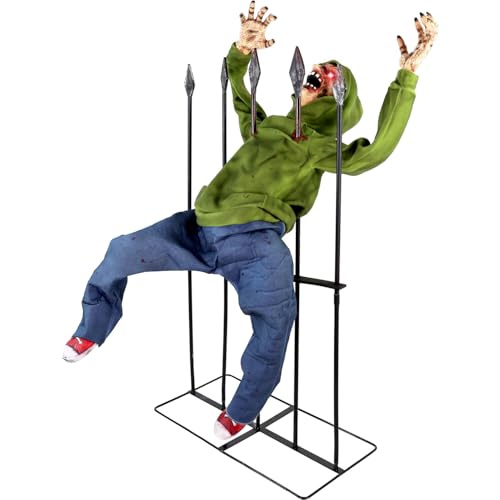
Haunted Hill Farm 4.4-Ft Animatronic Impaled Zombie, Halloween Animatronic, Creepy Party Decoration, Spooky Décor, Macabre Gift for Horror Movie Lovers, Voice-Activated Lights & Sound, Life-Size
Premium Life-Size Animatronic: Frighten guests and trick-or-treaters with this premium quality spine-chilling Halloween decoration
As an affiliate, we earn on qualifying purchases.

LarpGears Outdoor Halloween Skeleton Decorations, 7.8Ft Flying Rotated Skull Reaper Ghost Scarecrow Decorations for Garden, Porch, Yard
High-Quality Halloween Animatronics: This Halloween prop features animated motion, creating a spine-tingling effect as the reaper ghost appears...
As an affiliate, we earn on qualifying purchases.