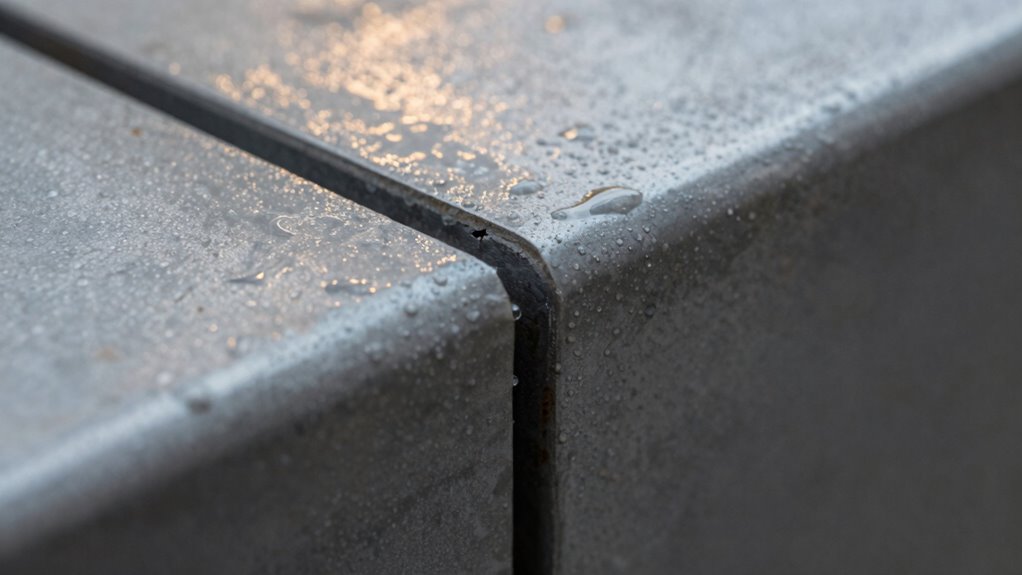

Even tiny gaps around outdoor lighting fixtures can let water seep in, causing damage and lowering performance. Small openings around screws, cable entry points, or cracked seals can allow moisture to enter easily. Protecting these spots with high-quality sealants, weatherproof gaskets, and regular inspections is essential. Ensuring tight fittings and proper installation helps prevent water intrusion. Keep your outdoor lights protected; you’ll uncover more tips on sealing and maintaining them effectively if you keep exploring.

Get decor and gifts delivered free — and shop member deals
- Fast, free delivery on millions of items
- Access to Prime Big Deal Days deals on October 6–7
- Prime Video, Amazon Music and more included
Key Takeaways
- Small gaps around screws and cable entry points are common sources of water intrusion in outdoor lighting fixtures.
- Cracked or degraded seals due to temperature changes can create tiny openings for water entry.
- Proper weatherproofing involves applying sealants and using gaskets to tightly close these gaps.
- Regular inspections help identify and replace compromised seals and weatherproofing materials.
- Ensuring tight fittings and high-quality seals during installation prevents water from seeping into critical areas.
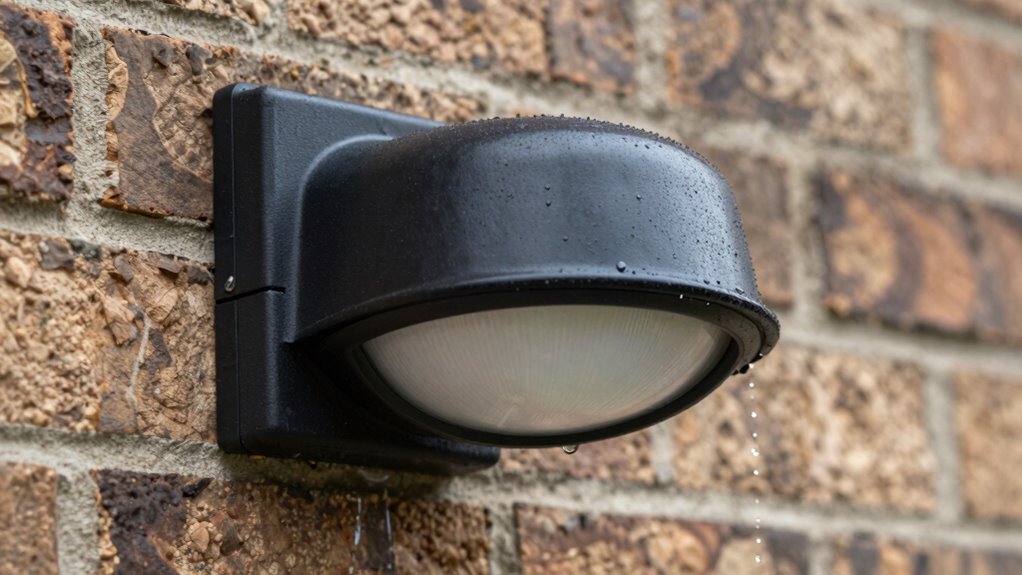
Outdoor lighting enhances your property’s curb appeal and safety, but harsh weather conditions can quickly damage your fixtures if they aren’t properly protected. Small gaps in weatherproofing can be the weak points that let water seep inside, risking electrical shorts, corrosion, and fixture failure. These tiny openings might seem insignificant, but water intrusion can lead to costly repairs and reduce the lifespan of your lighting system. When it comes to outdoor lighting, especially solar power fixtures, ensuring a tight seal is essential. Solar lights rely on batteries and electronic components that are vulnerable to moisture, so even minor gaps can cause malfunctions.
Weatherproofing isn’t just about keeping water out; it’s also about maintaining energy efficiency. When water gets into your fixtures, it can cause corrosion and reduce the effectiveness of the seals, leading to increased energy consumption or malfunction. Proper weatherproofing preserves the integrity of your outdoor lighting, ensuring it runs smoothly and efficiently. This is especially important if you’ve invested in solar-powered lights, which depend on peak performance to harness sunlight during the day and provide illumination at night. Keeping these fixtures sealed prevents moisture from compromising the solar panels or internal batteries, allowing you to maximize energy efficiency and get the most out of your investment.
Often, the tiniest gaps occur around screws, cable entry points, or joints where parts connect. These are the areas where water can sneak in during rainstorms or snowmelt. Applying high-quality sealant or weatherproof gaskets can effectively block these entry points. Regular inspections are essential; over time, seals can degrade or crack due to temperature fluctuations and exposure to the elements. Replacing worn seals and ensuring tight fittings keeps water out and your outdoor lighting functioning properly. Remember, a little preventive maintenance goes a long way in avoiding costly repairs down the line. Additionally, choosing fixtures with IP ratings ensures your outdoor lighting is designed to withstand environmental challenges. Selecting fixtures with proper weatherproofing standards can further enhance their durability and performance. Incorporating weatherproofing materials during installation can also significantly improve long-term protection against moisture intrusion.
In addition to sealing gaps, choosing fixtures designed with weatherproofing in mind can save you headaches. Look for lights with IP (Ingress Protection) ratings indicating resistance to water and dust. These ratings give you peace of mind that your outdoor lighting is built to withstand the elements. Proper weatherproofing isn’t just about protecting your fixtures; it’s about ensuring they operate efficiently and reliably, so your outdoor space remains safe, inviting, and energy-efficient year-round. Regularly verifying that seals are intact and functioning is crucial for maintaining a weatherproofed outdoor lighting system. Proper installation techniques and quality materials are essential components of a weatherproofing system that effectively shields your fixtures from moisture and environmental damage.
outdoor weatherproof sealant for lights
As an affiliate, we earn on qualifying purchases.
As an affiliate, we earn on qualifying purchases.
Frequently Asked Questions
How Often Should Weatherproofing Seals Be Inspected or Replaced?
You should inspect your weatherproofing seals at least once a year, especially before harsh weather seasons. Regular seal maintenance is key to preventing water intrusion. If you notice cracks, gaps, or deterioration during inspections, replace the seals promptly. For high-traffic or exposed outdoor lights, consider more frequent checks—every six months—to guarantee the seals stay intact and your outdoor lighting remains weatherproof.
What Types of Waterproofing Materials Are Most Effective for Outdoor Lighting?
You should choose waterproofing techniques like silicone or polyurethane sealants for outdoor lighting, as they offer excellent sealant durability and flexibility. These materials effectively block water from entering tiny gaps, protecting your fixtures. Applying a high-quality sealant around the base and joints guarantees long-lasting waterproofing. Regular inspections help you catch any wear or cracks early, maintaining the integrity of your outdoor lighting and preventing water damage over time.
Can Weatherproofing Be DIY or Should It Be Done by Professionals?
Weatherproofing outdoor lighting is a delicate dance—think of it as sealing a tiny leak before a flood. While DIY can be tempting, it often leads to pitfalls like missed gaps or improper sealing. Professionals bring advantages like expertise, proper tools, and guaranteed results, preventing future water damage. If you’re confident and precise, DIY might suffice; otherwise, calling a pro guarantees your lights stay dry and bright, rain or shine.
How Do Temperature Fluctuations Affect Outdoor Lighting Seals?
Temperature fluctuations profoundly impact outdoor lighting seals, causing seal degradation over time. As temperatures rise and fall, materials expand and contract, leading to cracks or gaps that let water in. This temperature impact weakens the seal’s effectiveness, increasing the risk of water damage. Regular inspections and proper weatherproofing maintenance help prevent seal degradation, ensuring your outdoor lighting stays protected regardless of changing weather conditions.
Are There Specific Weather Conditions That Accelerate Water Ingress?
Think of your outdoor lighting like a boat in a storm—certain weather conditions, like heavy rainstorms and wind-driven rain, can quickly expose vulnerabilities. These elements increase rainstorm vulnerability, forcing water through tiny gaps. High winds can also drive water into seals, especially if they’re already compromised by temperature fluctuations. To protect your lights, make sure seals are tight and weatherproofed before storm season hits.
Conclusion
Remember, a small gap can sabotage your setup. Seal, secure, and scrutinize every seam to stay strong against storms. Weatherproofing isn’t just about protection; it’s about peace of mind, preventing problems before they pop up. By paying attention to tiny details, you keep your outdoor lighting luminous and long-lasting. So, stay vigilant, seal snugly, and savor a serene, storm-proof space, where safety and style shine side by side.
Evergreen bestsellers Picks
bestsellers
As an affiliate, we earn on qualifying purchases.