Before you turn on a pressure pot for resin, carefully inspect it for damage, leaks, cracks, or worn seals. Make certain the pressure gauge is working and calibrated correctly, and verify safety devices like release valves are functioning. Wear proper safety gear, keep the workspace clutter-free, and increase pressure gradually while monitoring closely. Staying vigilant and following these safety rules helps prevent accidents. If you want to learn more about safe operation practices, keep going.

Get decor and gifts delivered free with Prime
- Fast, free delivery on millions of items
- Prime Video, Amazon Music and more included
- Member-only deals all year
Key Takeaways
- Conduct a thorough pre-use safety inspection of the pressure vessel for damage, leaks, and proper gauge calibration.
- Ensure all fittings and safety components are secure and functioning before pressurizing.
- Wear appropriate safety gear and keep the workspace clutter-free for safe operation.
- Gradually increase pressure while monitoring the gauge and system response to prevent over-pressurization.
- Follow manufacturer guidelines and safety protocols consistently to ensure safe resin pressure pot operation.
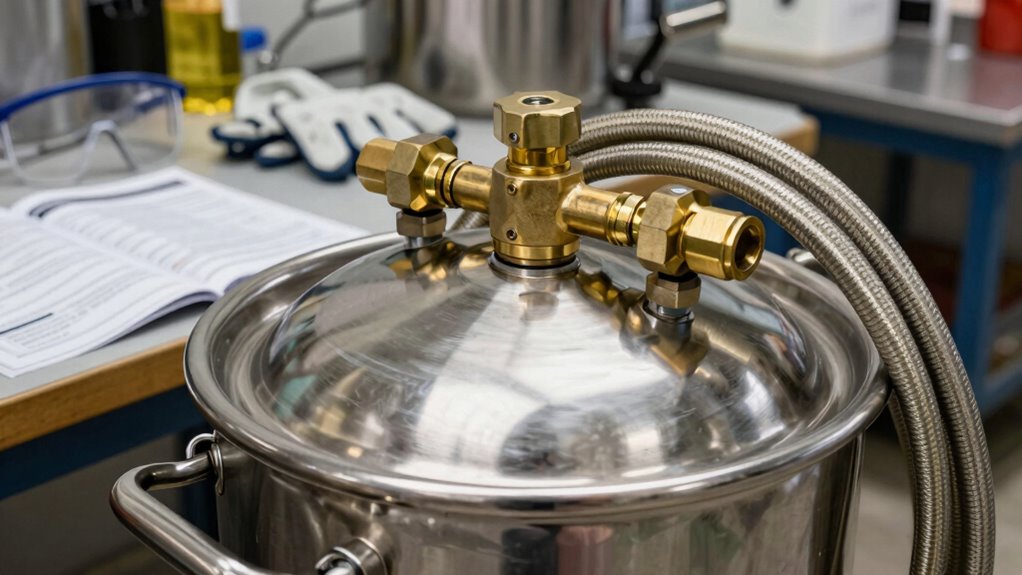
Pressure pots are crucial tools for anyone working with resin, as they help produce clearer, bubble-free finishes. When you’re about to operate one, safety should be your top priority. Before you turn it on, you need to verify that the pressure pot is in proper working condition, which starts with thorough safety inspections. These inspections involve checking for any signs of damage, corrosion, or leaks that could compromise the integrity of the vessel. Look for any cracks in the welds, worn seals, or loose fittings, as these are potential safety hazards. Confirm that the pressure gauge is functioning correctly and calibrated, so you can monitor pressure levels accurately during resin curing. Remember, a faulty gauge or damaged parts could lead to over-pressurization, risking burst or failure of the pot.
Proper safety inspections aren’t just a one-time task; they should be routine before every use. This habit ensures you catch issues early and prevent accidents. After verifying the physical condition, review the pressure release valve and safety mechanisms. These components are critical because they regulate pressure and prevent dangerous build-ups. If any part appears faulty or doesn’t operate smoothly, replace it before proceeding. Tighten all fittings securely, as loose connections can cause leaks under pressure, jeopardizing safety and the quality of your resin curing process. Additionally, understanding the pressure regulation principle can help you operate the system more effectively and safely. Familiarity with the pressure system components can further enhance your safety during operation. Moreover, knowing the pressure limits specified by the manufacturer can help prevent over-pressurization.
Once you’ve completed your safety inspections, it’s time to contemplate your environment. Make sure the workspace is clear of clutter and that you’re wearing appropriate safety gear, including gloves and eye protection. When you’re ready to begin, slowly increase the pressure, closely observing how the pressure pot responds. Never rush this step, as rapid changes in pressure can cause stress on the vessel. Keep a close eye on the pressure gauge throughout the process, ensuring you stay within safe limits recommended by the manufacturer. Understanding the pressure system can also help you troubleshoot issues more effectively if they arise. Regularly reviewing these safety protocols can significantly reduce the risk of accidents and equipment failure. It’s also beneficial to keep a safety checklist nearby to ensure all precautions are followed consistently.
Understanding the importance of safe resin curing is crucial for achieving the best results. The pressure helps eliminate bubbles and ensures a smooth finish, but it must be applied carefully. If at any point you notice irregularities, such as unusual noises or fluctuations, shut down the system immediately and recheck your safety inspections. Regular maintenance and adherence to safety rules aren’t just about avoiding accidents—they’re about ensuring your resin projects turn out flawless and that your workspace remains safe. Proper preparation and vigilance make all the difference in a successful, safe resin curing process.
As an affiliate, we earn on qualifying purchases.
Frequently Asked Questions
How Often Should I Inspect My Pressure Pot for Safety?
You should inspect your pressure pot for safety before every use, focusing on a thorough pressure test and visual check. Follow a regular maintenance schedule, ideally monthly or after every few uses, to catch any leaks, cracks, or worn parts. Consistently inspecting guarantees your pressure pot remains safe, reliable, and functioning correctly, preventing accidents and maintaining peak performance during resin casting.
Can I Use a Pressure Pot for All Types of Resin?
You can’t use a pressure pot for all resin types without checking compatibility considerations first. Visualize the different resin types—epoxy, polyester, UV resin—each with unique properties. Some resins may react unpredictably under pressure, risking safety. Always verify if your pressure pot suits the specific resin type you’re working with, ensuring proper sealing and pressure ratings, so you avoid accidents and achieve the best results in your casting or molding projects.
What Is the Maximum Safe Pressure for a Resin Pressure Pot?
You should keep the maximum safe pressure for a resin pressure pot around 60-80 psi, depending on the material compatibility and the pot’s design. Always check the manufacturer’s recommendations, as exceeding this pressure can cause safety hazards. Use proper pressure regulation to avoid over-pressurizing, and verify your pressure pot is rated for the specific resin type you’re working with to maintain safe operation and prevent damage.
How Do I Release Pressure Safely Before Opening?
To release pressure safely, you should first turn off the pressure source and allow the pot to cool slightly. Then, follow the safety procedures by opening the pressure relief valve slowly to prevent sudden pressure release. Keep your face and body away from the opening, and use gloves if necessary. Always make certain the pressure has fully released before opening the lid to avoid accidents.
Are There Specific Safety Gear Recommendations When Operating?
When operating a pressure pot for resin, you should always wear protective eyewear to shield your eyes from splashes and a respirator mask to avoid inhaling fumes. Protect your eyes, protect your lungs, and prioritize safety. Always double-check your gear before turning on the pressure pot. Wearing the right safety equipment guarantees you stay safe from potential hazards, making your resin work both effective and secure.
Conclusion
Before you fire up your resin pressure pot, remember these safety rules—think of them as your armor against mishaps. Always inspect for leaks, wear proper gear, and never bypass safety valves, no matter how tempting. Treat your equipment like a trusty steed—maintain it well and respect its power. By following these guidelines, you’ll keep your workshop safe and avoid becoming a cautionary tale in the age of steampunk innovation, where safety was often an afterthought.
Halloween Picks
halloween
As an affiliate, we earn on qualifying purchases.