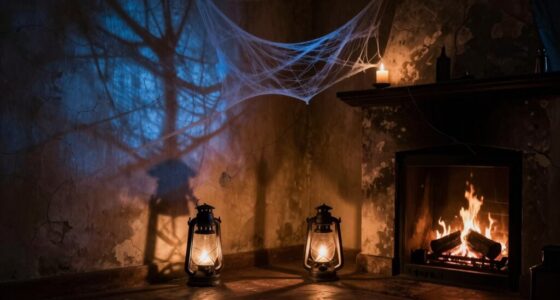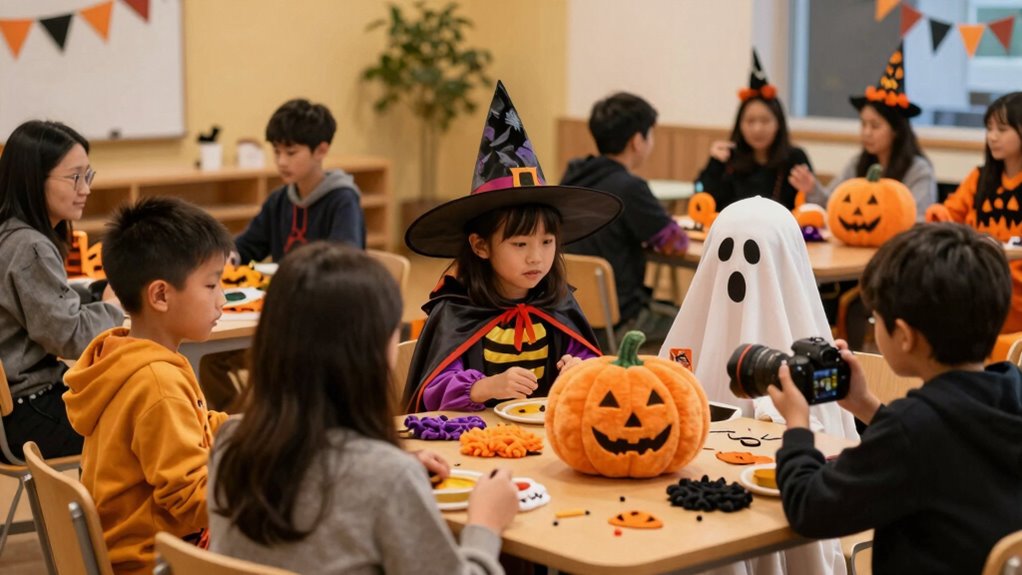

To plan a quiet hour for an inclusive Halloween, set up a calm space indoors with soft lighting, comfy blankets, and sensory toys. Explain the purpose to guests and children so everyone understands it’s a time to relax and reset. Use soothing music and offer options like pajamas or casual clothes to reduce discomfort. By creating a peaceful environment and communicating clearly, you’ll help all children enjoy the celebration without feeling overwhelmed. Keep reading to discover more helpful tips.
Key Takeaways
- Establish a designated calm space indoors with sensory-friendly items like blankets, stuffed animals, and calming music.
- Communicate the purpose and schedule of the quiet hour clearly to family and guests.
- Choose a suitable time, such as immediately after trick-or-treating or early evening, for the quiet hour.
- Encourage inclusive, comfortable costumes made from breathable fabrics, or suggest casual clothing as alternatives.
- Promote a peaceful environment that respects individual needs, allowing children to rest or enjoy quiet activities.
Halloween can be overwhelming for many children and families, especially after a long day of Trick-or-Treating and festivities. If you’re looking to create a more inclusive experience, planning a ‘quiet hour’ is a thoughtful way to help everyone recharge and enjoy the holiday at their own pace. One important step is to contemplate sensory-friendly costumes. Not all children feel comfortable in elaborate or itchy costumes, so encouraging the use of soft, simple, and comfortable outfits can make a big difference. You might suggest costume options made from breathable fabrics or even encourage kids to wear their favorite pajamas or casual clothes for the event. This way, they won’t feel overwhelmed by textures or tight fits, making the experience more enjoyable.
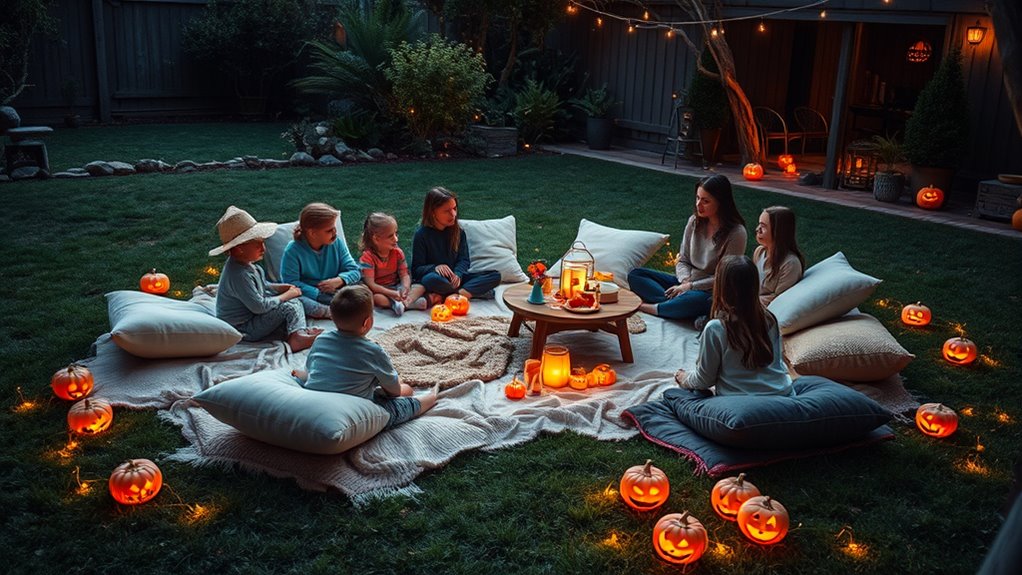
Offering alternative activity options during this quiet period is equally essential. After a busy night of trick-or-treating, many kids may need a break from loud noises, bright lights, and crowds. Setting up a designated calm space within your home provides a safe haven for children to relax. Fill it with soft blankets, stuffed animals, books, or calming music. You could also include sensory toys or stress balls to help children self-regulate if they’re feeling overstimulated. These calming activities can serve as a gentle shift from the excitement outside to a peaceful environment indoors. It’s helpful to communicate to your family and guests that this quiet hour is about respecting everyone’s needs, giving kids permission to step away from the chaos without feeling left out. Incorporating consistent storytelling about the purpose of the quiet hour can help children understand and feel more comfortable participating.
Create a calm space with soft blankets, books, and sensory toys for a peaceful Halloween break.
Timing is key when planning your quiet hour. You might choose to start it immediately after trick-or-treating or during the early evening, before the peak of excitement. Keep everyone informed so they know what to expect, and encourage older children to participate by helping create a calm atmosphere. If some kids prefer to stay in the active zone, respect their choice but emphasize that the quiet space is available for those who need it. Offering a variety of calming activities and ensuring the environment is cozy and inviting will make this hour truly effective.
Ultimately, your goal is to make Halloween inclusive and enjoyable for everyone. By prioritizing sensory-friendly costumes and alternative activity options, you create an environment where children can wind down without feeling excluded or overwhelmed. This thoughtful approach allows all families to celebrate the holiday together, making memories that are comfortable, safe, and joyful for every child.
Frequently Asked Questions
How Do I Inform Guests About the Quiet Hour Effectively?
You should use clear visual signage at key points and include details in your pre-event communication to inform guests about the quiet hour. Make sure the signage is easy to spot and understand, and mention the quiet hour early in your emails or invitations. This way, guests are aware beforehand and can plan accordingly, ensuring everyone feels comfortable and included during the event.
What Sensory Accommodations Should Be Included During the Quiet Hour?
During the quiet hour, you should include sensory-friendly lighting that’s soft and non-flashing to prevent overstimulation. Incorporate calming soundscapes like gentle music or nature sounds to create a soothing atmosphere. You might also provide noise-canceling headphones or quiet zones for guests who need additional support. These accommodations help guarantee everyone feels comfortable and included, making the experience enjoyable for guests with sensory sensitivities.
How Can I Ensure the Quiet Hour Is Accessible for All Abilities?
You can guarantee your quiet hour is accessible by providing visual accessibility, like clear signage and large print materials, so everyone understands the space. Additionally, consider mobility considerations, such as wheelchair-friendly pathways and designated seating areas. Communicate these features in advance, and train staff to assist attendees with diverse needs. By proactively addressing these aspects, you create an inclusive environment where all abilities feel welcomed and comfortable during the quiet hour.
What Activities Are Suitable for a Calming, Inclusive Halloween Experience?
Did you know that 75% of people find calming activities more enjoyable during stressful times? For a soothing, inclusive Halloween, you should include meditative crafts like pumpkin painting or coloring, paired with calming music. These activities help everyone relax and feel involved. Keep the atmosphere gentle, focus on sensory comfort, and encourage mindfulness, making sure all participants experience a peaceful, joyful celebration together.
How Do I Handle Guests Who Prefer a Different Experience Outside the Quiet Hour?
You should respect your guests’ preferences by offering alternative experiences outside the quiet hour. Clearly communicate that some activities are designed for a calming environment, but others can enjoy more energetic or immersive options. Make sure to provide a variety of choices so everyone feels included and comfortable. By accommodating different preferences, you guarantee all guests have a positive, inclusive Halloween experience without feeling excluded or overwhelmed.
Conclusion
By carving out a quiet hour, you create a sanctuary where every whisper and gentle flicker becomes a comforting lullaby amid the Halloween chaos. It’s your invitation to embrace the night’s softer side, like a lullaby sung softly under a moonlit sky. When you design this peaceful pause, you weave a tapestry of inclusion and understanding, ensuring everyone feels safe and cherished. Ultimately, your quiet hour transforms Halloween into a symphony of kindness and calm.