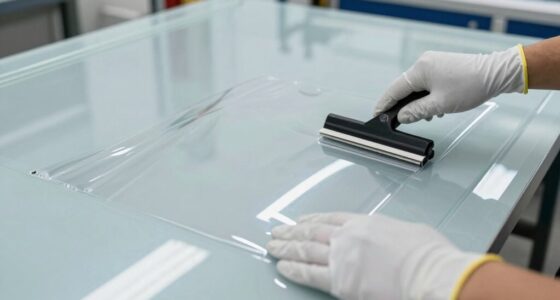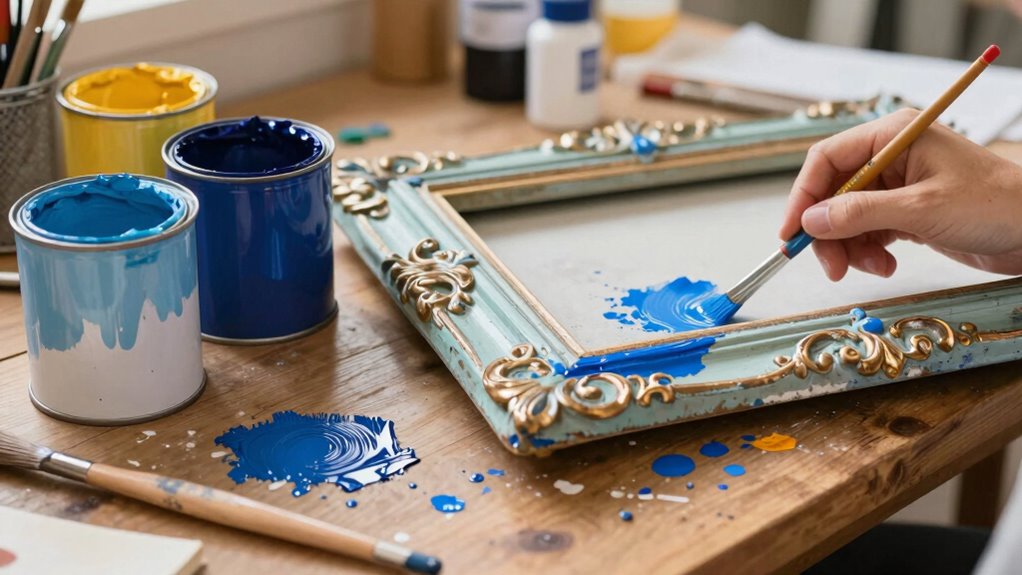

To refresh a prop without rebuilding, start by carefully matching the existing paint color using samples or store services for precision. Prepare the surface thoroughly by cleaning and sanding to guarantee smooth application and better adhesion. Use techniques like sponging or dry brushing to add texture or depth. Choose the right finish, such as matte or gloss, for durability. With patience and attention to detail, you can achieve a professional look—continue exploring for more tips on perfecting your repaint process.

Get decor and gifts delivered free with Prime
- Fast, free delivery on millions of items
- Prime Video, Amazon Music and more included
- Member-only deals all year
Key Takeaways
- Match new paint to existing colors using swatches or store color matching services for seamless integration.
- Properly clean and sand surfaces before painting to ensure better adhesion and a professional finish.
- Use various techniques like dry brushing or sponging to add texture and visual interest without rebuilding.
- Choose the appropriate paint finish (matte, satin, gloss) based on the prop’s use and desired durability.
- Allow sufficient drying time between coats and focus on detail to achieve a polished, long-lasting result.
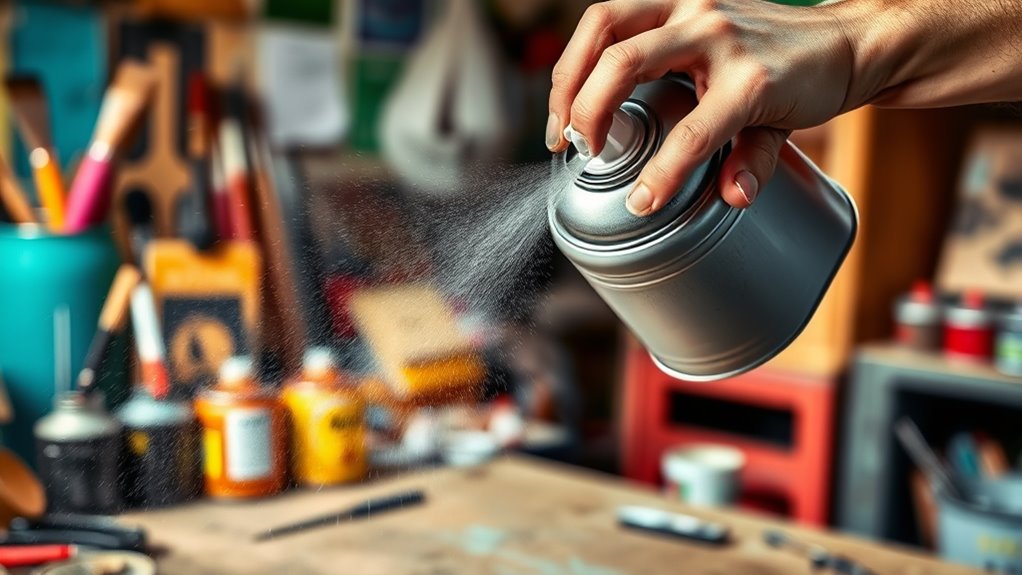
If you’re looking for a fun and rewarding way to refresh your space, DIY Repaint Day is the perfect opportunity. Whether you’re updating a piece of furniture, a wall, or a decorative prop, repainting allows you to breathe new life into old or worn items without the hassle of rebuilding. One of the key skills you’ll want to develop is color matching. Matching the new paint to the existing color or to other elements in your space ensures a seamless look. To do this effectively, gather samples of the current color—either from a small, hidden area or a swatch—and bring them to your local paint store. Many stores offer color matching services, where they scan or analyze your sample to create an exact match. This step guarantees that your repaint will blend perfectly, avoiding mismatched hues that can ruin the overall aesthetic.
Once you’ve got your paint matched, focus on mastering different paint techniques. These techniques can add texture, depth, and visual interest to your prop. For example, dry brushing is excellent for creating a distressed, vintage look, while sponging can add subtle shading and dimension. If you’re aiming for a sleek, modern finish, smooth brush strokes or even spray painting can give you a flawless, even coat. Using techniques like layering and blending can help you achieve complex effects without rebuilding the entire piece. Practice your chosen methods on scrap material first to get comfortable with the process, especially if you’re working with a new technique. Proper preparation, like cleaning and sanding the surface beforehand, guarantees the paint adheres well and results in a professional-looking finish. Additionally, understanding different paint types and finishes can make a huge difference in your project’s outcome. Matte, satin, and gloss finishes each have their own aesthetic and functional qualities. For a more durable, easy-to-clean surface, especially on props that will be handled frequently, a semi-gloss or gloss finish might be best. Conversely, matte or eggshell finishes work well on decorative props where a softer look is desired. Choosing the right paint type and applying it with the appropriate techniques helps you achieve the desired effect while protecting your work. Remember, patience is key—allow enough drying time between coats and don’t rush the process. With attention to detail, proper color matching, and a handful of paint techniques, you’ll be able to refresh your prop beautifully without the need for rebuilding, saving time and maintaining your creative vision.
A good understanding of paint finishes and their characteristics can help you select the ideal look and durability for your project.
As an affiliate, we earn on qualifying purchases.
Frequently Asked Questions
What Types of Paint Are Safest for Props?
You should choose water-based acrylic or latex paints for props, as they’re safest and compatible with most surfaces. These paints offer excellent paint compatibility and dry quickly. Always check safety considerations, like low VOC levels and non-toxic labels, to make certain they’re safe for indoor use or around people. Avoid oil-based or spray paints that can emit harmful fumes and may not be compatible with your prop’s material.
How Long Does a Repaint Typically Last?
A repaint typically lasts between one to three years, depending on factors like paint durability and weather resistance. If you choose high-quality, weather-resistant paints, your prop will stay vibrant longer, even outdoors. Regular touch-ups and sealing can extend its lifespan, so you shouldn’t worry too much about frequent repainting. Proper preparation and using the right paint guarantee your refreshed prop remains visually appealing and protected against the elements.
Can I Repaint a Weathered or Damaged Prop?
Think of your weathered prop as a well-loved book with torn pages. You can absolutely repaint it, but you need to take into account prop material compatibility to ensure the paint adheres properly. Damaged areas may require patching first. Repainting cost considerations include primer, paint, and tools, which are often cheaper than rebuilding. With proper preparation, you’ll breathe new life into your prop, making it look fresh and durable again.
Is There a Way to Avoid Paint Chipping?
To avoid paint chipping, focus on proper surface preparation and paint adhesion. Clean and sand the prop surface thoroughly to remove dirt and loose paint, creating a smooth base. Use a primer suitable for the material to improve paint adhesion. Apply thin, even coats of high-quality paint, allowing each layer to dry completely. This process helps the paint stick better and reduces the risk of chipping over time.
How Do I Clean the Prop Before Repainting?
To clean your prop before repainting, start with basic cleaning techniques like wiping it down with a damp cloth to remove dust and dirt. For stubborn grime, use mild soap and water, then let it dry completely. Proper prepping methods include sanding rough spots and applying a degreaser if needed, ensuring the surface is clean and smooth. This helps paint adhere better and prevents chipping or peeling later on.
Conclusion
Think of repainting your prop like giving it a fresh coat of confidence. I once revitalized an old sign, and suddenly it looked brand new, sparking compliments from everyone. Just like that sign, your project can transform with a simple repaint. Don’t shy away from the challenge—embrace it. A fresh look can breathe new life into anything, proving that sometimes, all it takes is a little paint to turn the old into the extraordinary.
Halloween Picks
halloween
As an affiliate, we earn on qualifying purchases.