To write a scare script for sound and lights, you need to plan cues that build tension and deliver surprises at the right moments. Use precise timing, eerie ambient sounds, and sudden lighting changes to create fear and misdirection. Combine abrupt sounds with flickering lights or shadows to intensify effects. Pay attention to pacing, and test your cues repeatedly to guarantee they work together seamlessly. Keep exploring further to discover how to craft an even more immersive horror experience.
Key Takeaways
- Use precise timing and volume shifts to synchronize sound cues with lighting for maximum impact.
- Incorporate ambient noises and sudden effects to evoke tension and surprise.
- Employ lighting transitions like flickering or flashes to enhance the mood and signal scares.
- Combine sound and light cues to build a crescendo of terror and deepen immersion.
- Test and adjust cues repeatedly to ensure seamless integration and optimal scare effectiveness.
Are you interested in learning how to craft a compelling scare script that captures your audience’s attention? If so, mastering the use of sound cues and lighting effects is essential. These elements work together to create an immersive experience that heightens suspense, surprises, and terrifies your viewers. The key is to think strategically about how sound and light can manipulate emotions and perceptions, guiding your audience through the story’s twists and turns.
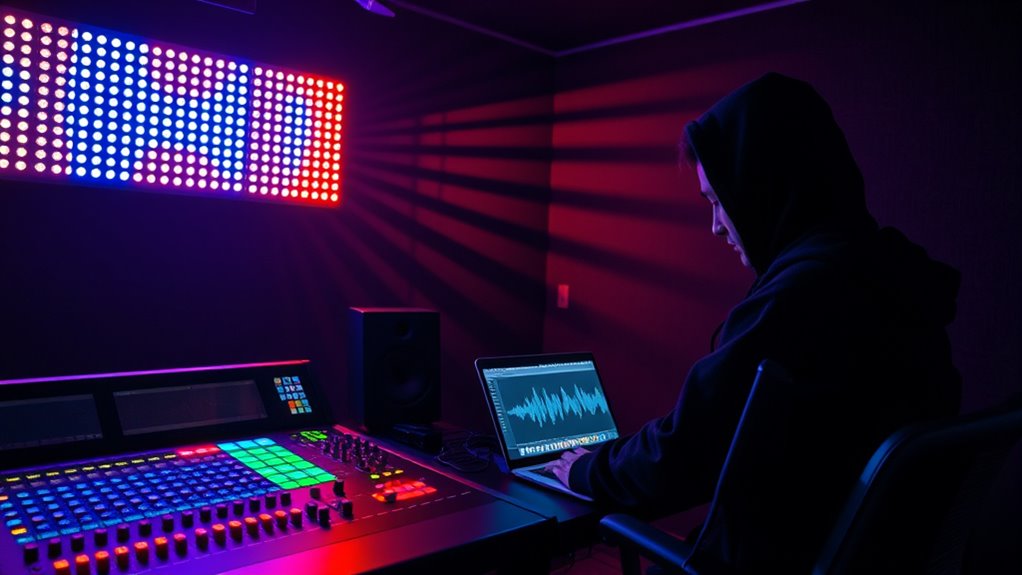
Start by planning your sound cues carefully. Sound effects should be precise and timed to build tension or deliver a shock. For instance, a sudden creak or whisper can evoke an immediate sense of unease, while ambient noises like distant footsteps or eerie wind establish a creepy atmosphere. Use silence strategically—sometimes, a moment of quiet is more unsettling than any loud noise. When designing your sound cues, consider their volume, pitch, and timing; abrupt changes can jolt viewers, but subtle background sounds can keep the tension simmering beneath the surface. Incorporating high-quality audio equipment ensures that these cues are delivered effectively, enhancing the overall scare experience.
Carefully timed sound cues—like creaks, whispers, or silence—intensify tension and unsettle viewers effectively.
Lighting effects are equally critical. They shape the mood and focus attention on specific areas or characters. Dim, flickering lights create a sense of instability, making the environment feel unpredictable. Shadows can hide threats or suggest unseen dangers, keeping viewers on edge. Use lighting changes to emphasize crucial moments—bright flashes to startle, or a slow fade to darkness to signal an impending scare. Be deliberate with your lighting transitions, ensuring they align with the story beats for maximum impact. You want the lighting to serve as an active participant, guiding emotional responses rather than merely illuminating the scene.
Combining sound cues and lighting effects heightens the scare factor. For example, pairing a sudden loud noise with a burst of strobe lighting can jolt the audience unexpectedly. Alternatively, gradually lowering the lighting while playing unsettling ambient sounds can evoke dread and anticipation. Think of these tools as a symphony—each element should complement the other, building to a crescendo of terror. Don’t forget to test your cues and effects repeatedly, adjusting timing and intensity based on audience reactions. The goal is to craft a seamless experience where sound and light work together to deepen the scare, not distract from it.
In the end, the most effective scare scripts rely on the precise manipulation of sound cues and lighting effects. When used thoughtfully, they transform a simple story into an immersive nightmare that keeps your audience on the edge of their seats, eager for the next frightening twist.

Very Scary Music: Classic Horror Themes
Audio CD (September 24, 2009)
As an affiliate, we earn on qualifying purchases.
As an affiliate, we earn on qualifying purchases.
Frequently Asked Questions
What Equipment Is Best for Triggering Sound and Light Effects?
You should choose lighting controllers and sound interfaces that are compatible with your setup. Look for advanced lighting controllers like DMX512 systems, which easily trigger light effects, and sound interfaces that connect directly to your sound system for seamless audio cues. Make sure the equipment offers reliable synchronization features, so your sound and light effects trigger perfectly together. This combination guarantees your scare script creates a convincing, immersive experience.
How Do I Synchronize Sound Cues With Lighting Changes?
To synchronize sound cues with lighting changes, you need precise audio timing and cue synchronization. Use a control system or software that allows you to set specific timestamps for each cue. Test your cues repeatedly, adjusting timing as needed to guarantee lights and sounds hit simultaneously. Always plan your cues in advance, and communicate clearly with your technical team to achieve seamless effects that maximize the scare impact.
What Safety Precautions Should I Consider During Setup?
You should prioritize safety by conducting a thorough hazard assessment before setup, identifying potential risks like electrical shocks or trip hazards. Always have an emergency plan in place, including accessible exits and fire extinguishers. Wear appropriate protective gear and ensure all equipment is properly grounded. Regularly inspect your setup and never bypass safety protocols. Taking these precautions helps prevent accidents and keeps everyone safe during your scare event.
How Can I Customize Scripts for Different Scare Scenarios?
To customize scripts for different scare scenarios, you should craft themed narratives that fit each setting and audience. Incorporate specific actor cues to guide their reactions and timing, ensuring the scare feels natural and effective. Adjust lighting and sound effects to match the mood of each scenario. Practice and refine your script, paying attention to timing, so your actors can deliver scares at just the right moments, heightening the overall experience.
What Are Common Mistakes to Avoid in Scare Scripting?
Oh, the joy of crafting scares! Avoid relying solely on jump scares or predictable sound design—that’s like serving popcorn with no butter. Don’t overuse loud noises or sudden light flashes; it dulls the effect and ruins the suspense. Keep your sound design immersive and subtle until the perfect moment. Remember, a well-timed, genuine scare beats a cheap jump scare every time. Stay creative, and don’t scare your audience away!

EDGELEC 30pcs 12 Volt 3mm Yellow Flicker LED Lights Emitting Diodes (Candle Flickering Lights) Pre Wired 7.9 inch DC 12v LED Light Clear Lens Small LED Lamps
Prewired with built in Resistor, 20000 hours+ Lifespan.
As an affiliate, we earn on qualifying purchases.
As an affiliate, we earn on qualifying purchases.
Conclusion
By mastering the art of crafting a scare script, you create suspense and evoke emotion. By choosing your sounds carefully, selecting your lights thoughtfully, and timing your cues precisely, you build tension and surprise. By focusing on detail, enhancing atmosphere, and maintaining consistency, you guarantee your scare is effective. Ultimately, your goal is to captivate your audience, to thrill your audience, and to leave your audience breathless. With practice and passion, you turn a simple script into a memorable scare experience.
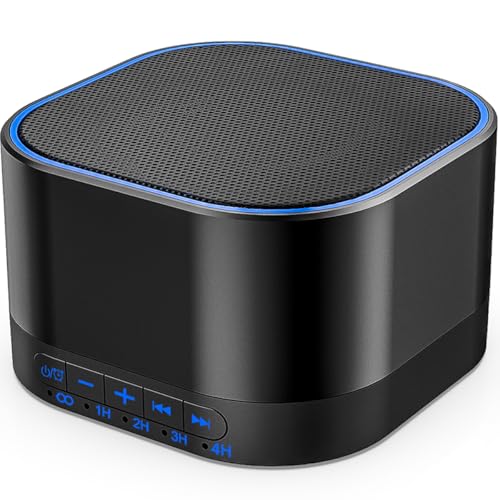
Magicteam Sound White Noise Machine with 20 Non Looping Natural Soothing Sounds and Memory Function 32 Levels of Volume Powered by AC or USB and Sleep Sound Timer Therapy for Baby Kids Adults
❤20 Non-Looping Sleep Sounds: White noise ,Brown noise, pink noise, blue noise, fan,brook, rain, ocean,bird and Bonfire,suitable for…
As an affiliate, we earn on qualifying purchases.
As an affiliate, we earn on qualifying purchases.

ENUOLI Mini LED Strobe Light White Color with 24 Super Bright LED Variable Speed Control for Christmas Clubs Stage Light Effect DJ Disco Bars Parties Halloween (White Color)
LED Flashlight: Features 24 super bright LED lights for illumination
As an affiliate, we earn on qualifying purchases.
As an affiliate, we earn on qualifying purchases.