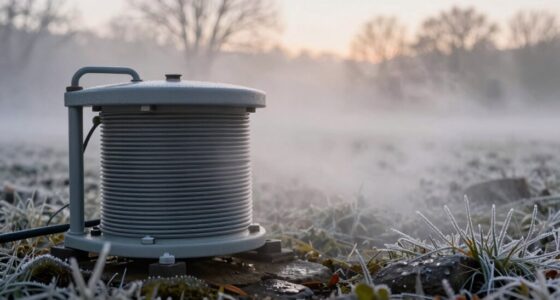
When using snow machines outdoors, slipping risks are often overlooked, but they can cause serious injuries or damage. Make sure you inspect hoses, nozzles, and electrical connections for leaks or wear, and keep surfaces clear of debris. Wear sturdy, non-slip footwear, and salt or sand walkways for traction. Stay alert to changing weather and surface conditions, as ice and snow can quickly turn hazardous. Keep safety top of mind—if you keep these tips in sight, you’ll learn more to stay safe.

Get decor and gifts delivered free — and shop member deals
- Fast, free delivery on millions of items
- Access to Prime Big Deal Days deals on October 6–7
- Prime Video, Amazon Music and more included
Key Takeaways
- Cold temperatures and ice accumulation increase slip risks around snow machines if surfaces aren’t properly treated.
- Surfaces should be cleared of debris and treated with ice-melting products to prevent slips during operation.
- Proper footwear with non-slip soles is essential for operators and bystanders to reduce fall hazards.
- Maintaining a safe distance from the output area minimizes exposure to slipping or falling hazards.
- Regular equipment maintenance ensures safe operation and prevents malfunctions that could contribute to accidents.

Are you ready to transform your outdoor space into a winter wonderland? If you’re planning to use snow machines, it’s essential to prioritize safety to enjoy your winter setup without accidents. Snow machines add a magical touch to any yard or event, but they also come with risks that many overlook. One of the most critical aspects is understanding winter safety and ensuring your equipment is properly maintained. Neglecting these areas can lead to slips, falls, or equipment failures that spoil your winter fun.
Before firing up your snow machine, take some time for thorough equipment maintenance. Check hoses, nozzles, and connections for leaks or damage. Make sure the motor is clean and oil levels are adequate. A well-maintained machine runs smoothly, reducing the likelihood of sudden malfunctions that could cause injuries or damage. Regular maintenance also extends your equipment’s lifespan, saving you money in the long run. Don’t forget to inspect power cords and connections if your machine is electric—frayed wires or loose connections can pose electrical hazards. Also, ensure you have access to a fire extinguisher nearby, especially if your snow machine uses fuel, to handle any unexpected flare-ups. Additionally, reviewing equipment safety guidelines can help you identify potential hazards before operating. Taking time for preventative maintenance can further enhance safety and reliability.
Perform thorough maintenance on your snow machine, inspecting hoses, nozzles, and electrical connections for safety and longevity.
Once your equipment is in top shape, focus on the environment around your snow machine. Clear the area of any debris, rocks, or uneven patches that could cause slips or trips. Snow machines often produce slick, icy surfaces, and these can be especially treacherous if not properly managed. Use salt or sand on walkways and around the machine to improve traction. Always keep a safe distance from the machine’s output area, and advise others to do the same. Wearing sturdy, non-slip footwear is another simple way to prevent slips while operating or walking near the snow-producing zone. Being aware of winter safety tips helps prevent accidents and injuries in icy conditions. It’s also wise to educate everyone involved about safe operating procedures, especially if children or guests are around.
You should also be aware of your surroundings and weather conditions. Cold temperatures can make surfaces even more slippery and can affect your equipment’s performance. Dress appropriately and keep an eye on the weather forecast. If snow or ice accumulates and makes the area more hazardous, take additional steps to clear or treat the surfaces. Remember that proper equipment maintenance is key to ensuring safety and optimal operation. Never operate a snow machine if you’re tired or distracted, as quick reflexes are vital to avoid slips and mishaps. Staying vigilant and prepared is essential for a safe and enjoyable winter experience.
outdoor snow machine safety gear
As an affiliate, we earn on qualifying purchases.
As an affiliate, we earn on qualifying purchases.
Frequently Asked Questions
How Can I Prevent Snow Machine Slips on Icy Surfaces?
To prevent snow machine slips on icy surfaces, start with proper snow surface preparation by spreading sand or salt to improve traction. Regular snow machine maintenance keeps parts like tires and tracks in good condition, reducing slipping risks. Always check the area for ice before operating, and consider using tire chains or studded tracks for extra grip. Staying proactive guarantees safer operation and minimizes slip hazards on icy terrain.
Are There Specific Safety Gear Recommendations for Snow Machine Operators?
You should wear protective eyewear to shield your eyes from snow and debris, and heat resistant gloves to protect your hands from cold and hot surfaces. These safety gear items help prevent injuries and keep you comfortable during operation. Always check that your gear fits properly and is in good condition. Prioritize safety by wearing the right equipment, so you can focus on controlling the snow machine effectively and safely.
What Are the Best Practices for Cleaning up Snow Machine Spills?
When handling snow machine spills, you should clean them promptly to prevent environmental impact and guarantee safe snow machine maintenance. Use absorbent materials like sand or kitty litter to soak up the mess, then sweep or shovel it away carefully. Always dispose of the waste responsibly. Neglecting spill cleanup not only harms the environment but also creates slip hazards, turning your snowy adventure into a hazardous, slippery mess.
How Often Should Snow Machines Be Inspected for Safety Hazards?
You should inspect snow machines regularly, ideally before each use, to guarantee safe operation. Incorporate snow machine maintenance into your routine, checking for leaks, loose parts, and electrical issues. Operator training is essential, so make sure you’re familiar with safety procedures and proper inspection techniques. By staying vigilant and conducting frequent inspections, you reduce slip hazards and keep everyone safe during outdoor snow activities.
Can Snow Machines Cause Hidden Ice Patches Under Snow?
Like a magician’s trick, snow machines can hide ice patches beneath the snow you see. They can cause hidden ice patches if not properly maintained, increasing slip hazards. Regular equipment maintenance and hazard awareness are essential to prevent accidents. Always check for uneven surfaces and ice beneath the snow after using snow machines, ensuring you’re aware of potential dangers that might not be immediately visible.
Conclusion
You must remember that snow machines outdoors pose a slip hazard if not managed carefully. Imagine a neighbor rushing outside to clear snow and slipping on icy patches created by the machine’s residual moisture—injury could result. By staying alert and cleaning up spills promptly, you protect yourself and others. Don’t forget: safety isn’t just about the equipment, but also how you handle it. Stay cautious, and enjoy the winter safely.
Halloween Picks
halloween
As an affiliate, we earn on qualifying purchases.