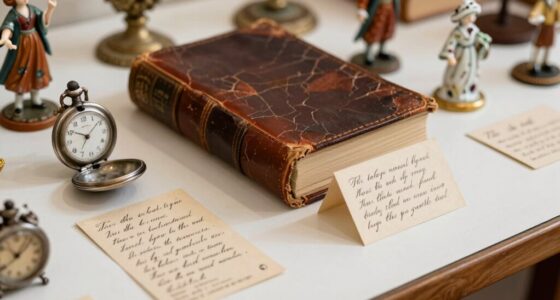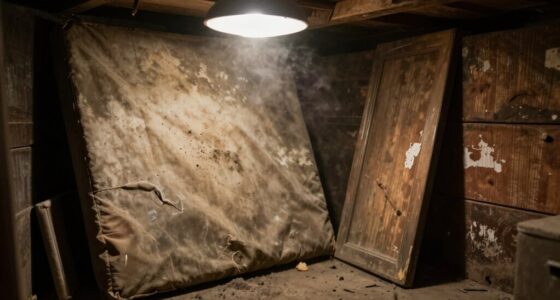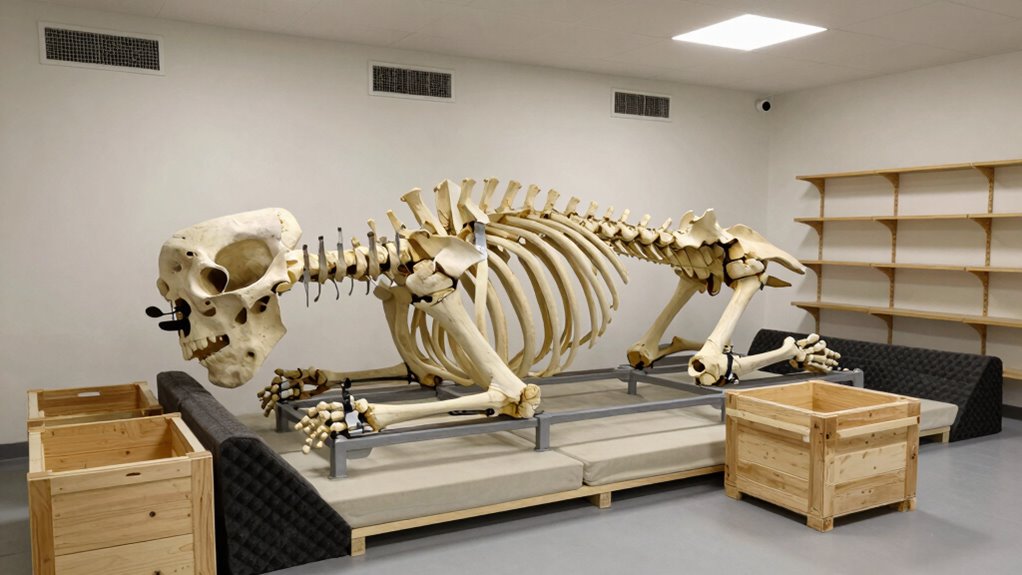
To store a giant skeleton without damage, start by selecting a stable environment with consistent temperature and humidity, and keep it away from sunlight and pollutants. Use custom supports made from acid-free materials to cradle the bones, and cover the display with UV-filtering glass for added protection. Regularly clean and monitor conditions, and during off-seasons, keep it in climate-controlled storage with padded containers. Following these steps guarantees your skeleton remains safe and intact for years to come—discover more detailed methods ahead.
Key Takeaways
- Use custom, padded supports made from acid-free materials to cradle the skeleton securely.
- Maintain stable temperature and humidity levels with climate control systems to prevent deterioration.
- Cover the skeleton with UV-filtering glass or acrylic to protect against sunlight and pollutants.
- Store in a climate-controlled space within padded containers to prevent jostling and physical damage.
- Conduct regular cleaning and environmental monitoring to ensure ongoing preservation and stability.
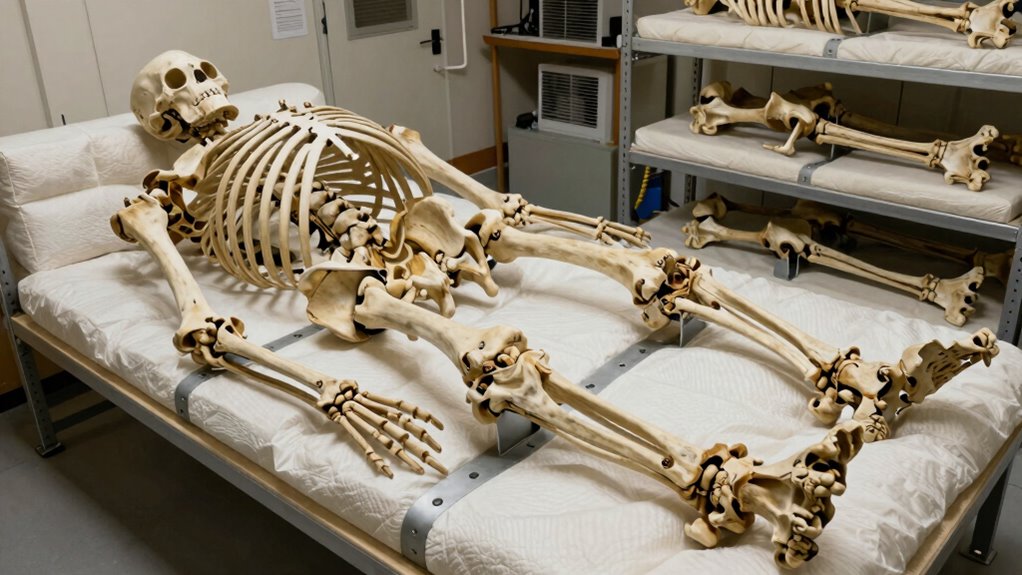
Have you ever wondered how to store a giant skeleton safely and efficiently? If you’ve recently acquired or plan to display such an impressive piece, understanding the right methods ensures it stays intact and visually striking over time. Proper storage isn’t just about keeping it out of the way; it’s about applying effective preservation techniques combined with thoughtful presentation. When considering a decorative display, your goal is to highlight the skeleton’s features while protecting it from damage caused by environmental factors. So, start by choosing a suitable location—ideally, a space with stable temperature and humidity levels. Fluctuations in these conditions can cause materials to expand, contract, or deteriorate, so maintaining consistent climate control is essential. Environmental stability plays a crucial role in preserving delicate structures like a giant skeleton over time.
Choose a stable, climate-controlled space to protect your giant skeleton from environmental damage and ensure lasting preservation.
Next, prepare a supportive framework that cradles the skeleton without putting stress on fragile areas. Use padded mounts or custom supports made from acid-free materials to prevent any pressure points that could cause cracking or breaking. When setting up your display, think about accessibility for maintenance and dusting, but also ensure that the skeleton remains secure. Cover the entire display with UV-filtering glass or acrylic to shield it from harmful sunlight, which can cause discoloration and degradation over time. This protective barrier acts as a safeguard against environmental pollutants and accidental bumps, making your skeleton a long-lasting decorative display. It’s also important to consider proper environmental conditions for long-term preservation.
Alongside physical supports, employing specific preservation techniques helps extend the life of your giant skeleton. Regular cleaning with soft brushes removes dust and debris without risking damage, and maintaining proper humidity levels prevents the materials from becoming brittle or moldy. Additionally, understanding herbal remedies and natural preservation methods can provide eco-friendly alternatives for minor treatments and maintenance. Implementing climate control systems in storage areas further enhances preservation efforts by regulating temperature and humidity precisely. If necessary, consider applying conservation-grade consolidants to fragile areas—these help reinforce weakened bones while remaining reversible and non-invasive. When storing the skeleton between displays or during off-season periods, keep it in a climate-controlled storage space, ideally in a custom crate or padded container to prevent jostling and accidental damage. Ensuring the skeleton remains undisturbed during storage is key to its preservation. Moreover, researching biodiversity and natural materials can inspire innovative, eco-conscious preservation approaches that align with conservation principles.
Incorporating these strategies into your storage plan guarantees that your giant skeleton remains a striking, safe, and well-preserved feature in your collection. By combining thoughtful decorative display techniques with proven preservation methods, you not only showcase its impressive structure but also protect it for years to come. Whether it’s for educational purposes, personal enjoyment, or a themed exhibit, careful storage practices make all the difference in maintaining the integrity and visual appeal of your giant skeleton.
acid-free display supports for skeleton
As an affiliate, we earn on qualifying purchases.
As an affiliate, we earn on qualifying purchases.
Frequently Asked Questions
How Long Can a Giant Skeleton Be Stored Safely?
You can store a giant skeleton safely for several decades if you use proper preservation techniques, especially when dealing with ancient DNA. Keep it in a stable, climate-controlled environment with consistent temperature and humidity levels. Avoid direct sunlight and handling to prevent deterioration. Regularly monitor the condition, and consider using specialized preservation methods to protect the fragile ancient DNA. With careful care, your skeleton can last for many generations.
What Environmental Factors Affect Skeleton Preservation?
Oh, the thrill of preserving a giant skeleton amidst the chaos of environmental conditions! You’d better watch out for humidity, temperature swings, and light exposure—these enemies can turn your masterpiece to dust. Proper preservation techniques involve controlling moisture, maintaining stable temperatures, and shielding your relic from UV rays. Neglect these factors, and your majestic skeleton might just become a crumbling monument to your carelessness—an ironic twist, indeed.
Are Special Cleaning Methods Necessary Before Storage?
Yes, special cleaning methods are necessary before storage to guarantee proper preservation. You should follow specific cleaning protocols that gently remove dirt, debris, and any biological material without damaging the skeleton. Using appropriate preservation techniques, like soft brushes and mild cleaning solutions, helps prevent deterioration. Proper cleaning not only maintains the skeleton’s integrity but also makes handling and long-term storage safer and more effective.
How Do You Prevent Pest Infestations in Storage?
Think of your skeleton as a treasure chest, vulnerable to tiny invaders. To prevent pest infestations, you must implement pest deterrent strategies like using natural repellents or sealed storage containers. Opt for airtight storage container options that keep pests out while protecting your valuable find. Regularly inspect and clean your storage area too, creating a fortress that pests can’t breach, ensuring your giant skeleton stays pristine and undisturbed.
Can Stored Skeletons Be Displayed Publicly Safely?
Yes, stored skeletons can be displayed publicly safely if you use proper museum lighting and a secure storage container. You should guarantee the lighting isn’t too intense to prevent deterioration, and the storage container provides protection against dust, pests, and physical damage. Regular inspections help maintain the skeleton’s condition. Proper environmental controls within the display area also minimize risks, ensuring the skeleton remains intact while being safely showcased.

Acrylic Display Case for Collectibles Assemble Clear Acrylic Display Box for Lego Alternative Glass Case for Display Figures Doll Toys Home Storage(8x8x12 inch, 20x20x30 cm)
【Size】8x8x12 inch, 20x20x30 cm acrylic display cases for collectibles. NOTE: please tear off the protective film on both…
As an affiliate, we earn on qualifying purchases.
As an affiliate, we earn on qualifying purchases.
Conclusion
Now that you know how to store a giant skeleton safely, you’re all set to preserve this incredible artifact. Imagine a museum curator carefully wrapping a massive T. rex skull in acid-free materials, then placing it in a climate-controlled vault. With proper techniques, you’ll guarantee the skeleton stays intact for generations to come. So, whether for display or study, your careful storage method keeps history alive and damage-free.
![Gamma2 Vittles Vault Pet Food Storage Containers - Sealed Dog and Cat Food Storage Container, Fits up to 25lbs, Made in the USA - [12"L x 13.75"H]](https://m.media-amazon.com/images/I/41XKsqOw1kL._SL500_.jpg "Storing a Giant Skeleton Without Damage: The Step-by-Step System 4")
Gamma2 Vittles Vault Pet Food Storage Containers – Sealed Dog and Cat Food Storage Container, Fits up to 25lbs, Made in the USA – [12"L x 13.75"H]
PRESERVE FRESHNESS AND FLAVOR: This airtight pet food container helps your pet's dry food to stay tasty with…
As an affiliate, we earn on qualifying purchases.
As an affiliate, we earn on qualifying purchases.

BCW Deluxe Currency Slab for U.S. Bills – 25 ct | Clear Polystyrene, Snap-Together Protection Money Case | Ideal for Paper Money Collectors, Museum Quality Display, and Numismatic Preservation
Versatile Use: This bill currency slab is ideal for advanced collectors, museums, and exhibitions seeking top-notch protection and…
As an affiliate, we earn on qualifying purchases.
As an affiliate, we earn on qualifying purchases.