
To build a permission-friendly ‘take one’ treat setup, start with clear signs that invite voluntary participation, using simple language and visual symbols to communicate that taking a treat is optional. Make sure the treats are accessible to everyone by adjusting height, providing tactile cues, and ensuring the display is stable and well-lit. Maintain a friendly atmosphere with inviting visuals and consider diverse needs to foster trust and comfort—continue exploring for more tips on creating an inclusive setup.
Key Takeaways
- Use clear signage with phrases like “Please feel free to take a treat if you’d like” to communicate voluntariness.
- Incorporate visual symbols or icons that universally indicate permission and availability.
- Ensure the setup is accessible by placing treats at various heights and using easy-to-open containers.
- Maintain a welcoming atmosphere with friendly visuals, approachable signage, and designated assistance if needed.
- Design the space to accommodate diverse abilities, including tactile cues and enough room for comfortable access.
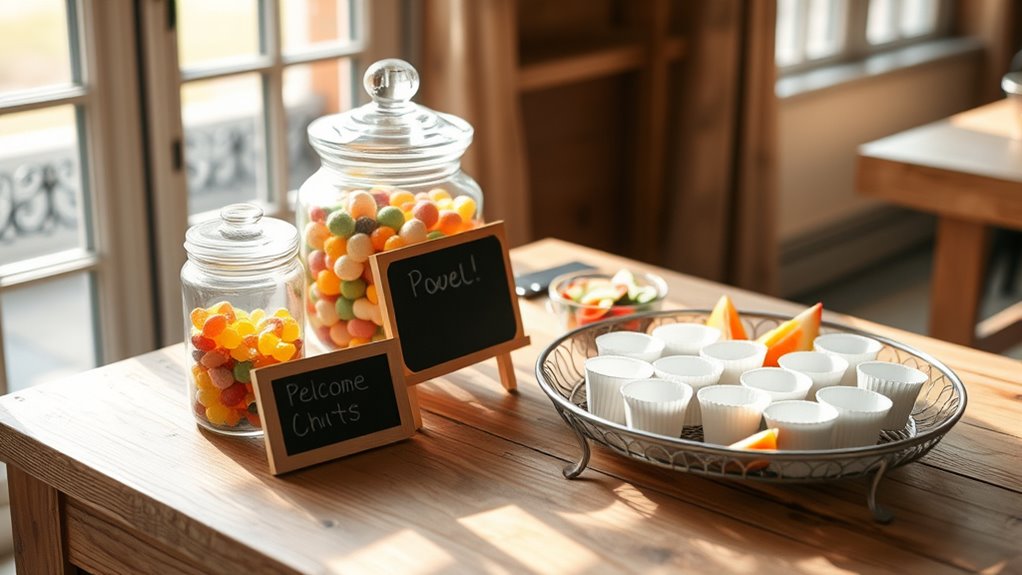
Creating a permission-friendly ‘Take One’ treat setup guarantees that everyone feels comfortable grabbing a treat without any awkwardness or confusion. The key to achieving this begins with establishing clear consent protocols. By explicitly signaling that treats are available and that taking one is optional, you remove any ambiguity. For instance, you might place a sign that states, “Please feel free to take a treat if you’d like,” or use visual cues like a small flag or sign that can be easily seen. These cues communicate that taking a treat is entirely voluntary, which helps prevent any pressure or discomfort. Ensuring that everyone understands these protocols is essential, especially in diverse environments where language or cultural differences might influence perceptions of permission. You can make this clearer by using simple, inclusive language and adding visual symbols that transcend language barriers. Incorporating visual communication strategies can further enhance understanding for all participants. Accessibility considerations are equally important when designing your setup. You want to make sure that all individuals, regardless of physical ability or sensory needs, can comfortably participate. For example, place treats at different heights so those in wheelchairs or with mobility challenges can reach them easily. Use non-slip mats or stable surfaces to prevent accidents, and keep the area well-lit so treats are visible even to those with visual impairments. Consider including tactile indicators such as textured signs or braille labels for people with visual impairments, ensuring they can identify the treats and understand the protocol. If you’re using containers or dispensers, choose designs that are easy to open and operate without excessive force. Additionally, keep the setup uncluttered, allowing enough space for folks to approach comfortably and without feeling crowded or rushed. Beyond physical accessibility, think about the social and emotional comfort of everyone involved. Some people might feel shy or hesitant about taking treats in public, so providing a welcoming environment is vital. Maintain a friendly, approachable tone in any signage, and consider adding visual cues like smiling icons or friendly illustrations that signal an inviting atmosphere. If possible, assign a person or volunteer to monitor the setup, answer questions, and gently reassure those who might be unsure about taking a treat. By prioritizing both consent protocols and accessibility considerations, you create a space that’s inclusive, respectful, and inviting for all. This thoughtful approach not only fosters trust but also encourages community participation, making your treat setup a positive experience for everyone involved.
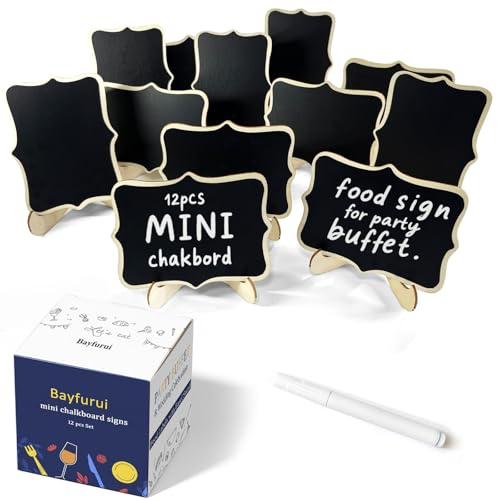
12pcs Mini Chalkboard Signs with Stand,Food Labels for Party Buffet, Food Tag/Name Card for Wedding Table, Name Tag Drink Labels Taco/Candy Bar/Bake Sale Food Sign, Catering Supplies Buffet Display
[Multi Occasions]:By changing the place direction of the chalkboard, These buffet food signs can be used horizontally or…
As an affiliate, we earn on qualifying purchases.
As an affiliate, we earn on qualifying purchases.
Frequently Asked Questions
How Do I Handle Allergies in a Take-One Treat Setup?
To handle allergies in a take-one treat setup, you should prioritize allergy management by clearly labeling all treats with ingredient information. Guarantee ingredient transparency so visitors can easily identify potential allergens. Keep allergen-free options separate to prevent cross-contact, and encourage guests to ask questions. Regularly update labels and train staff on allergy protocols, creating a safe, inclusive environment where everyone can enjoy treats without worry.
What Are the Best Signage Options for Permission Clarity?
You should choose signage design that’s clear and inviting, using warm colors and friendly fonts to encourage trust. Incorporate visual cues like icons or symbols to quickly convey permission and safety, making it easy for everyone to understand at a glance. Well-placed signs near the treat station and throughout the space guarantee permission is obvious, fostering a welcoming environment where everyone feels comfortable and respected.
How Can I Encourage Responsible Sharing Among Kids?
You can encourage responsible sharing among kids by teaching them sharing etiquette and emphasizing peer cooperation. Set clear rules about taking only what they need and waiting their turn. Praise acts of kindness and teamwork, and model respectful behavior yourself. Creating a positive environment where kids feel valued and responsible helps them develop good sharing habits naturally, fostering a culture of fairness and peer cooperation that lasts.
What Legal Considerations Should I Be Aware Of?
You should be aware of legal considerations like establishing permission protocols and obtaining consent forms from parents or guardians before distributing treats. Ensuring you have documented permission helps protect you legally and demonstrates respect for minors’ rights. Follow local regulations regarding food safety and age restrictions. Always communicate clearly about ingredients, allergy risks, and the purpose of the treat setup to foster trust and transparency.
How Often Should I Update or Rotate Treat Options?
You should update or rotate treat options regularly to keep your setup fresh and engaging. Aim for weekly or bi-weekly changes, especially with treat variety and seasonal updates, to encourage repeat visits. Adjust frequency based on customer feedback and sales trends. Incorporating seasonal treats adds excitement and variety, so plan your rotations around holidays or special occasions to maximize interest and maintain a permission-friendly environment.
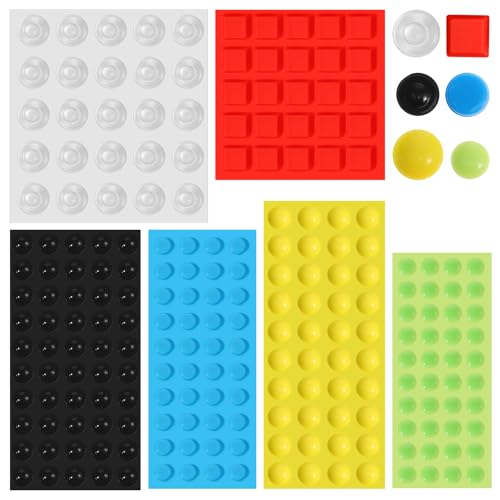
210pcs Bump Dots for Visually Impaired Assorted Styles Braille Stickers Low Vision Aids Adhesive Tactile Sticker Raised Tactile Dot Silicone Braille Gadget for Multiple Color Size Shape Blind Elderly
【Premium Materials】Our tactile stickers are made of silicone for reliable adhesion. The braille label maker comes in two…
As an affiliate, we earn on qualifying purchases.
As an affiliate, we earn on qualifying purchases.
Conclusion
As you set up your permission-friendly treat station, remember that sometimes, the smallest thoughtful details create the biggest moments. When a child quietly reaches for a treat, it’s a gentle reminder that kindness and understanding turn simple gestures into lasting memories. It’s funny how a little setup can foster joy and trust, proving that when we consider others’ feelings, we often find unexpected happiness ourselves. Your thoughtful approach truly makes a difference.

VTPT Ecom – 10 PK Adjustable Tall Cake Boxes in 2 Base Sizes 5-10"x10" & 5-12"x12" With 3 Adjustable Height Variations (8, 10 & 12 inch) + 15 Thank You Stickers. Tall Bakery Boxes for Tiered Cakes
◈◈【TOP VALUE FOR YOUR MONEY】 Well differentiated with 10 bakery cake carrier boxes in 2 base sizes 10"x10"…
As an affiliate, we earn on qualifying purchases.
As an affiliate, we earn on qualifying purchases.

LOYIM 3 Pcs Retail Advertisement Counter Mat 8.5 x 11 Inch Non Slip Countertop Sign Holder Menu Cover Menu Holder Display Stand for Restaurant Cafe Bar Hotel
Size: retail Advertisement Counter Mat sized at 8.5 x 11 inches, window size is 8.07 x 10.97 inches;…
As an affiliate, we earn on qualifying purchases.
As an affiliate, we earn on qualifying purchases.