To create a cinematic look with wind machines and fog, position the wind to blow the fog in specific directions, enhancing movement and texture. Use backlighting or side lighting to highlight fog’s ethereal quality and add depth to your scene. Changing the light color and angle can evoke different moods and emotions. Mastering these techniques will make your scenes feel more alive and immersive—keep exploring for even more secrets to perfect your atmospheric effects.

Get decor and gifts delivered free with Prime
- Fast, free delivery on millions of items
- Prime Video, Amazon Music and more included
- Member-only deals all year
Key Takeaways
- Position wind machines to direct airflow toward fog, creating dynamic movement that enhances cinematic realism.
- Use backlighting behind fog to accentuate wind patterns and add depth for a more dramatic effect.
- Adjust wind machine angles to control fog flow, emphasizing movement and texture in the scene.
- Combine directional lighting with fog to highlight wind-induced motion, creating a visually striking atmosphere.
- Experiment with light placement and color to maximize the cinematic impact of fog and wind interaction.
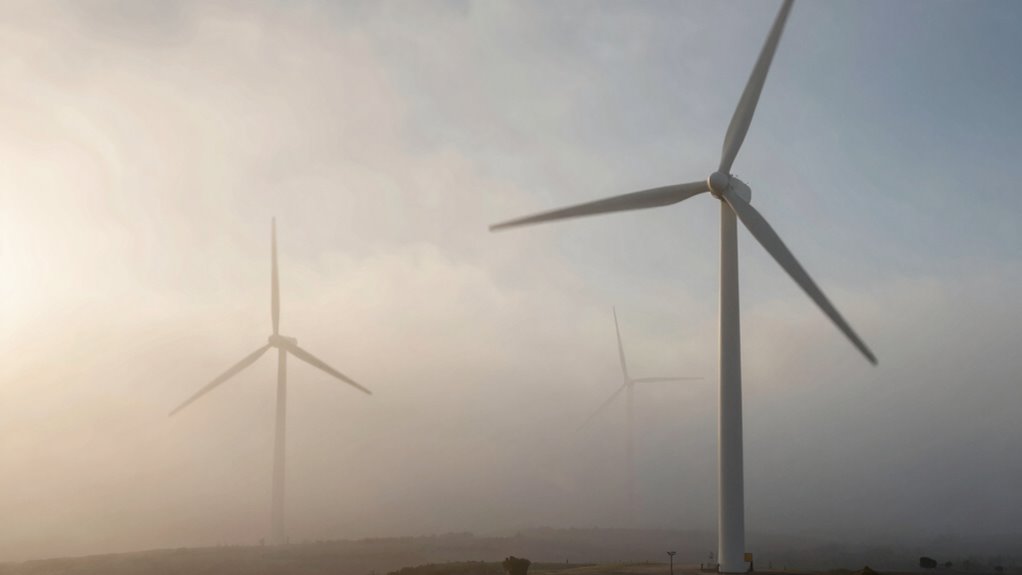
When filmmakers want to create a truly cinematic look, combining wind machines with fog is a proven trick that instantly elevates the scene’s atmosphere. This combination isn’t just about adding mystery; it’s a powerful way to manipulate mood and draw your audience deeper into the story. To maximize its impact, you need to carefully consider lighting techniques and camera angles. These elements work together to amplify the fog’s ethereal quality and the wind’s dynamic movement, making your scene feel alive and immersive.
Lighting techniques play a critical role in bringing the fog and wind to life on screen. Using backlighting, for example, can create a striking silhouette effect, highlighting the swirling fog and emphasizing movement. A strong, directional light source positioned behind the fog can cast long shadows and add depth, making the scene more visually compelling. Additionally, colored gels can be employed to evoke different emotional tones—cool blues for mystery or warmth for tension. Side lighting can also enhance the texture of the fog, revealing its layers and movement, which adds a tactile sense to the scene. The key is to experiment with light placement, intensity, and color to find the perfect balance that complements the wind’s motion and the fog’s density. Understanding how visual effects influence atmosphere can help you craft more compelling and cinematic scenes. Incorporating techniques that manipulate atmospheric conditions can further deepen the immersive quality of your visuals. Recognizing the importance of lighting techniques in this process can significantly elevate the overall cinematic quality of your scene.
Popular right now

Vitamix Propel Series 510 Professional-Grade Blender, 3 Programs, Black

Vitamix Propel Series 750 Professional-Grade Blender, 4 Programs, Black

Philips 4400 Series Fully Automatic Espresso Machine with LatteGo Milk System
As an affiliate, we earn on qualifying purchases.
Frequently Asked Questions
How Do Wind Machines Affect Actor Performances on Set?
Wind machines can influence actor performances by creating discomfort due to noise and airflow, which may distract or make actors uncomfortable. You’ll need to take into account actor comfort, ensuring they’re not overwhelmed by the equipment noise or wind that could affect their focus. Adjusting wind intensity or timing can help maintain performance quality, while also balancing the visual effects with the actors’ needs for a smooth, natural delivery.
What Safety Precautions Are Necessary When Using Fog With Wind Machines?
When using fog with wind machines, you need to prioritize safety by controlling fog density to prevent respiratory issues and guarantee clear visibility. Always monitor wind safety, keeping equipment away from actors and crew to avoid accidents. Use proper ventilation and have fire extinguishers nearby, as fog can be flammable. Communicate clearly with your team about safety procedures, and conduct tests beforehand to identify potential hazards.
Can This Technique Be Used Outdoors in All Weather Conditions?
Yes, you can use this technique outdoors in many weather conditions, but it depends on natural humidity and outdoor stability. High humidity helps fog stay visible, while stable weather prevents sudden changes that could disperse fog or affect wind machine operation. Avoid windy or very dry conditions, as they make controlling fog difficult. Monitoring weather forecasts ensures you can adapt your setup for ideal, cinematic results without safety concerns.
How Does Lighting Interact With Wind and Fog Effects?
Lighting dramatically influences how wind and fog effects appear on set. You might think fog and wind create a mysterious atmosphere, but poor lighting dynamics can break that illusion. Bright lights can cut through fog, revealing the machinery behind, while low, diffused lighting enhances the atmospheric illusion, making scenes seem ethereal. Play with shadows and highlights to deepen the cinematic feel, ensuring your effects blend seamlessly and maintain that mesmerizing, cinematic quality.
What Are the Environmental Impacts of Using Fog Machines?
Using fog machines can raise environmental concerns because they release glycol or glycerin-based aerosols, which may impact air quality. While generally considered safe in controlled settings, repeated use might contribute to ecological impact, especially if large quantities are used outdoors. You should consider the environmental footprint of fog effects, opting for eco-friendly alternatives when possible, and guarantee proper ventilation and disposal to minimize any negative effects on the environment.
Conclusion
By mastering the art of wind machines and fog, you can turn a simple scene into something truly cinematic. Just remember, the devil’s in the details, and paying attention to direction can make all the difference. When you get these elements right, your shots will feel more alive and immersive. So, don’t overlook the little things—sometimes, it’s the small tweaks that make or break the magic, turning ordinary into extraordinary.