The myth that witches flew on broomsticks using magical ointments is actually based on herbal herbal concoctions called “witches’ salves,” made from plants like belladonna, mandrake, and henbane. These plants contained psychoactive alkaloids that caused hallucinations and altered perceptions, not real flight. Fear and superstition fueled stories of witches soaring through the night sky. If you keep exploring, you’ll uncover how misunderstandings and cultural fears shaped this centuries-old illusion.
Key Takeaways
- Witches’ flying ointments originated from medieval herbal mixtures containing psychoactive plants like belladonna and mandrake.
- Effects included hallucinations and altered states, which were misinterpreted as supernatural flying abilities.
- These ointments were misunderstood due to fear and superstition, fueling myths during witch hunts.
- Scientific studies confirm that the “flying” was a hallucination caused by toxic herbal ingredients, not actual flight.
- The myth reflects cultural fears and ignorance, not factual evidence of witches’ supernatural powers.
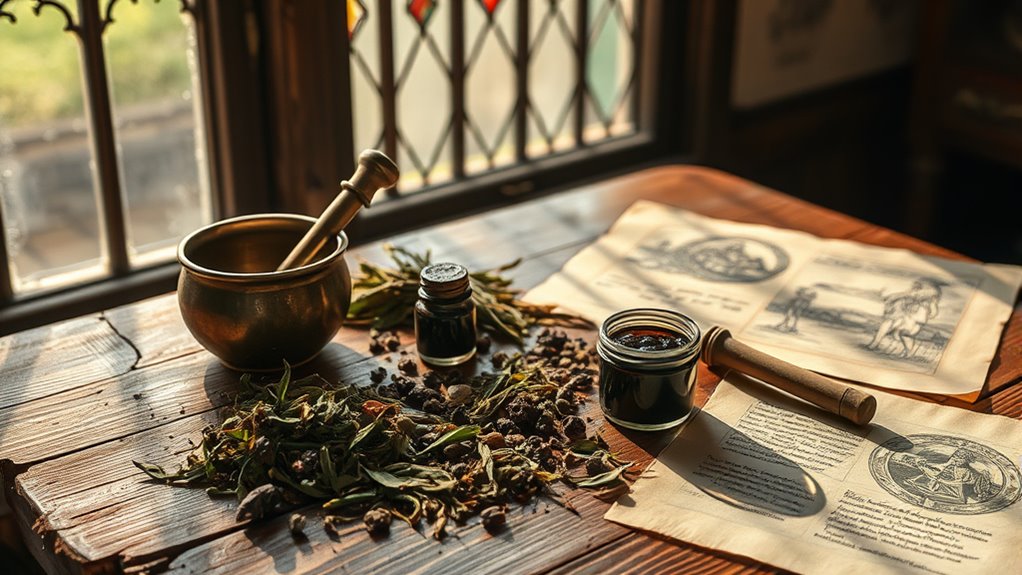
Throughout history, tales of witches flying through the night skies on broomsticks have captivated imaginations, but the truth behind these stories is rooted in wartime paranoia and misunderstood remedies. Many believe that witches used special ointments to achieve flight, but these notions are largely based on misinterpreted herbal ingredients and enduring historical myths rather than fact. The idea of a flying ointment originated in medieval Europe, where herbal concoctions containing psychoactive substances were used for medicinal or spiritual purposes. These ointments, often called “witches’ salves,” were made from plants like belladonna, mandrake, henbane, and datura—plants known for their potent alkaloids that can cause hallucinations and altered states of consciousness.
People in the past believed that applying these ointments to the skin could induce visions or even facilitate supernatural flight. However, the reality is that these herbal ingredients are highly toxic, and their use was more about spiritual or ritualistic practices than actual flying. Over time, stories grew around these potent substances, transforming into myths about witches soaring through the night sky. These myths were fueled by a mixture of fear, ignorance, and the desire to explain strange behaviors or altered states of mind. During periods such as the European witch hunts, accusations often centered around the use of these ointments, further entrenching the myth that witches had the ability to fly.
What’s important to recognize is that these herbal ingredients were misunderstood, and their effects were exaggerated into supernatural feats. The hallucinogenic properties of plants like henbane and mandrake could cause visions and disorientation, which might have been interpreted as flying or otherworldly abilities. This misinterpretation was amplified by the cultural and religious climate of the time, which viewed anything outside the norm as diabolical. As a result, the stories about witches flying on broomsticks and using magical ointments became part of a larger narrative of fear and superstition.
Modern scientific studies have confirmed that the so-called “flying” effects were hallucinations caused by toxic herbal ingredients, highlighting how misinterpreted herbal effects contributed to these enduring myths. What’s more, the cultural context of fear and superstition played a significant role in shaping these stories, reinforcing their persistence across centuries. These stories served to scapegoat individuals and justify witch hunts, rather than reflect any real magical practice. The myth of flying ointments persists today, but modern science confirms that the so-called “flying” effects were hallucinations caused by toxic herbal ingredients. Understanding this helps dispel misconceptions and reminds us that what seemed like supernatural abilities were, in fact, misunderstood herbal remedies and the product of cultural fears.

Wise Woman Herbals All-Purpose Salve, Herbal Balm with Calendula & Comfrey, Soothes Dry, Irritated Skin, Postpartum Skin Care, Nourishing Skin Support for All Ages, Non-GMO, 1 oz Jar
SKIN IRRITATION – Emollient salve for beautiful skin. Great for adults, kids and toddlers.
As an affiliate, we earn on qualifying purchases.
As an affiliate, we earn on qualifying purchases.
Frequently Asked Questions
Were Witches’ Flying Ointments Used in Ancient Cultures Outside Europe?
Yes, witches’ flying ointments or similar cross-cultural practices existed outside Europe, often linked to ancient remedies and shamanic rituals. In cultures across Asia, Africa, and the Middle East, herbal mixtures with psychoactive properties were used for spiritual journeys or healing. These substances, which sometimes resembled the legendary ointments, played roles in rituals, emphasizing that the concept of flying ointments isn’t solely European but part of broader, ancient spiritual practices worldwide.
What Ingredients in the Ointment Were Actually Toxic or Deadly?
You should know that some ingredients in witches’ flying ointments were truly poisonous or deadly. They contained poisonous herbs like belladonna, deadly nightshade, and henbane, which have toxic and hallucinogenic compounds. These herbs could cause hallucinations, delirium, or even death if ingested or absorbed through the skin. The deadly nature of these ingredients explains why the ointments were risky and why their use was so dangerous.
How Did the Belief in Flying Ointments Influence Witch Hunts?
Did you know that around 75% of medieval superstition linked flying ointments to witchcraft accusations? This belief fueled fear and suspicion, leading to harsh witch hunts. People thought witches flew to sabbaths, increasing hysteria and persecution. The idea of flying ointments became a vital part of the narrative, making accusations more believable and deadly. As a result, countless innocent women faced brutal trials and executions.
Are There Modern Herbal Remedies Similar to Historical Flying Ointments?
Yes, modern herbal remedies sometimes resemble historical flying ointments in their use of medicinal herbs. You can find topical salves and herbal infusions that incorporate plants like belladonna, mandrake, or various potent herbs, though they’re used with caution today. In medicinal herbology, these remedies focus on natural healing, and their modern applications emphasize safety and scientific understanding, unlike the dangerous myth of flying ointments from the past.
Did Any Documented Cases Involve Actual Flight or Just Hallucinations?
Flight fantasies fueled by folklore or hallucination phenomena sparked stories of actual flight, but real documented cases show only symbolic flight, not literal airborne adventures. People experienced vivid visions or hallucinations that felt like flying, yet no concrete evidence confirms anyone truly took to the skies. You might feel like soaring through surreal scenes, but in reality, these are powerful hallucinations rather than physical flights.
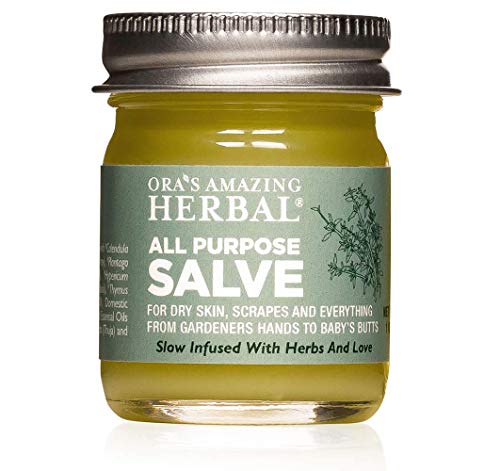
Ora's Amazing Herbal All Purpose Salve, Natural Healing Ointment, Tea Tree Oil Skin Balm, Comfrey Calendula Thyme Plantain, Hand Salve, Rash Cream, Dry Skin Repair, Itch Relief, 1 oz Glass Jar
The amazing multipurpose skin soothing herbal salve that started it all. Perfect for use after a hard day…
As an affiliate, we earn on qualifying purchases.
As an affiliate, we earn on qualifying purchases.
Conclusion
So, now you know the truth behind witches’ flying ointment—it’s not some magical potion that grants you the power to soar through the sky. Instead, it’s a fascinating mix of myth, folklore, and real historical practices. While the stories may seem like they came straight from a fantasy novel, they reveal how fear and misunderstanding shaped history. Remember, this myth is a legend, but its impact on history is truly as wild as a dragon’s flight.
psychoactive plant salves
As an affiliate, we earn on qualifying purchases.
As an affiliate, we earn on qualifying purchases.

40 Pack Witchcraft Supplies Herbs Kit – Dried Herbs and Flowers for Witch Beginners – Herb Set for Wicca, Altar Supplies, Pagan and Wiccan Rituals, Magic Spell, Candle and Soap Making
Witchy Stuff Herbs Box – This herbs kit for witchcraft supplies includes 40 selected bags of dried herbs…
As an affiliate, we earn on qualifying purchases.
As an affiliate, we earn on qualifying purchases.