
To keep your costume contest fun, set clear theme guidelines and encourage creativity within respectful boundaries. Separate participants into age groups and categories to ensure fairness. Clearly outline costume restrictions, judging criteria, and entry procedures so everyone understands expectations. Incorporate time limits for performances and emphasize safety by avoiding cumbersome accessories or unsafe materials. Promote sportsmanship and respect throughout the event. If you maintain these strategies in mind, you’ll create a lively and inclusive atmosphere that everyone will enjoy.
Key Takeaways
- Clearly define the theme and guidelines to inspire creativity and prevent confusion among participants.
- Separate categories by age and skill level to ensure fair judging and inclusivity.
- Emphasize respect, sportsmanship, and cultural sensitivity to create a friendly, inclusive environment.
- Set fair time limits and safety standards to keep performances fun and secure for everyone.
- Communicate rules clearly, use signage or digital reminders, and have staff enforce guidelines consistently.
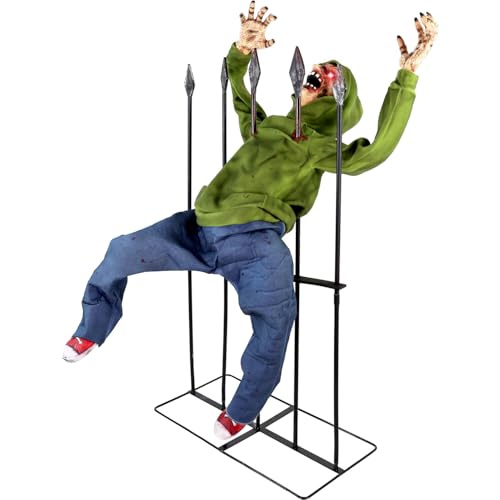
Haunted Hill Farm 4.4-Ft Animatronic Impaled Zombie, Halloween Animatronic, Creepy Party Decoration, Spooky Décor, Macabre Gift for Horror Movie Lovers, Voice-Activated Lights & Sound, Life-Size
Premium Life-Size Animatronic: Frighten guests and trick-or-treaters with this premium quality spine-chilling Halloween decoration
As an affiliate, we earn on qualifying purchases.
Establish Clear Theme Guidelines

Have you ever wondered why some costume contests run smoothly while others become chaotic? It often comes down to how well organizers establish clear theme guidelines. Creative costume themes inspire participants to craft unique outfits, making the event more engaging. Using seasonal inspiration can help set the tone, whether it’s Halloween, spring festivals, or summer parades. Be specific about what fits within the theme to avoid confusion. For example, if the theme is “Fairy Tales,” clarify whether characters, settings, or symbols are appropriate. When everyone understands the theme’s boundaries, participants can focus their creativity more effectively. This clarity keeps the event organized and ensures everyone has fun, fostering a lively yet controlled atmosphere. Understanding the importance of top 10 anime films can also add a fun element by encouraging attendees to incorporate popular characters or themes from these movies into their costumes.

Haunted Hill Farm Life-Size Scary Poseable Talking Witch, Halloween Animatronic with Touch Activated Lights and Sound, Battery Operated Indoor or Covered Outdoor Halloween Decorations, Halloween Prop
Life-size Prop: This poseable witch is perfect for indoors or a covered outdoor area so you can display...
As an affiliate, we earn on qualifying purchases.
Set Age and Category Classifications

To make certain your costume contest runs smoothly, it’s crucial to establish clear age and category classifications. This helps ensure fair judging and an enjoyable experience for everyone. Consider creating specific groups, such as kids, teens, adults, and seniors, to accommodate different age ranges. When setting categories, think about costume complexity—simple costumes might compete separately from elaborate, detailed designs. Additionally, enforce accessory restrictions within each category to prevent safety issues or unfair advantages. For example, limit bulky or dangerous accessories for younger contestants, and specify size or material restrictions for all participants. Clear classifications help manage expectations and streamline the judging process, making the event more fun and organized for both participants and spectators. Incorporating classification systems can further enhance fairness and clarity during the contest.

Haunted Hill Farm 7-Ft Animatronic Soul Harvester by Tekky, Halloween Animatronic, Spooky Prop & Party Decoration, Indoor & Covered Outdoor Creepy Witch Decor Motion-Activated Lights & Sound, LifeSize
Premium Lifesize Animatronic: Extension from top seller Soul Sucker - Frighten guests and trick-or-treaters with this premium quality...
As an affiliate, we earn on qualifying purchases.
Define Costume Eligibility and Restrictions

You need to understand what makes a costume eligible for the contest by following the appropriateness guidelines and size limits. Make sure your outfit avoids prohibited elements that could be unsafe or offensive. Clear restrictions help guarantee everyone has a fun and fair experience. Additionally, consider incorporating cozy textiles to ensure costumes are comfortable and suitable for all participants.
Costume Appropriateness Guidelines
Costume eligibility for the contest must align with community standards and event guidelines. To guarantee everyone feels comfortable, focus on appropriateness and respect. Avoid costumes that could be considered offensive, culturally insensitive, or trivializing important traditions. Prioritize cultural sensitivity and costume authenticity, making sure your outfit respects the cultures or themes you’re representing. Use the table below as a quick reference:
| Allowed Costumes | Restricted Costumes | Tips for Success |
|---|---|---|
| Creative, respectful interpretations | Stereotypical or offensive portrayals | Research cultural elements beforehand |
| Authentic historical looks | Costumes that mock or demean | Ask organizers if unsure |
| Unique, inspired designs | Costumes with inappropriate images | Keep fun and sensitivity in mind |
Sticking to these guidelines helps everyone enjoy the contest responsibly. Additionally, considering planter designs and their artistic elements can inspire creative costume ideas that are both respectful and innovative.
Age and Size Limits
Eligibility for the costume contest is based on age and size limits set by the event organizers. Make sure your costume fits within the specified age restrictions to guarantee fairness and safety. These age restrictions help categorize participants into appropriate groups, whether kids, teens, or adults. Size categories are also important; costumes must meet specific measurements to prevent unfair advantages or safety issues. Check the contest guidelines carefully to confirm your age group and size category before submitting your entry. If your costume falls outside these limits, it might be disqualified or asked to be modified. Staying within the designated age and size parameters helps keep the contest fair, fun, and inclusive for everyone involved.
Prohibited Costume Elements
To guarantee a safe and enjoyable contest, certain costume elements are prohibited. These costume restrictions help prevent accidents and ensure everyone has fun. Keep in mind these key points:
- Avoid wearing prohibited accessories like sharp weapons, real firearms, or anything that mimics dangerous items, as they pose safety risks.
- Costumes that include excessive or bulky props that obstruct movement or visibility are not allowed.
- Do not use costumes with offensive symbols, inappropriate language, or overly revealing designs that could offend or make others uncomfortable.
- Additionally, costumes that incorporate elements from Vetted Halloween Product Reviews, such as overly flashy or attention-grabbing accessories, should be avoided to maintain a balanced and inclusive environment.

Gemmy 6 FT Jason Voorhees Animatronic | Life Size Slasher Halloween Decoration with Knife Movement and Sound Effects for Haunted House, Indoor Outdoor Display
Life-sized Animated Jason Voorhees
As an affiliate, we earn on qualifying purchases.
Outline Judging Criteria and Scoring

When judging costume contests, clear criteria and scoring methods are essential to guarantee fairness and transparency. You should establish specific judging criteria that cover aspects like creativity, craftsmanship, originality, and overall presentation. Communicate these criteria clearly to judges and participants beforehand. The scoring system must be straightforward, assigning points or rankings for each category to reflect the quality of each entry objectively. Decide whether to use a numerical scale or qualitative rankings, and verify consistency across all judges. Providing a detailed scoring sheet helps avoid confusion and bias. By outlining these judging criteria and scoring procedures upfront, you create a fair evaluation process that encourages participants to showcase their best costumes while maintaining fun and integrity in the contest. Incorporating performance upgrades such as enhanced craftsmanship or innovative design elements can elevate the overall quality and excitement of the entries.
Specify Entry Requirements and Registration Process

Clear entry requirements and a straightforward registration process are essential to ensuring a smooth and organized costume contest. To keep things simple and fair, follow these steps:
- Submit your costume design details, including a brief description and photos of your costume with creative accessories.
- Register online by providing your contact info, name, and age category, if applicable.
- Confirm your participation before the deadline to secure your spot, ensuring all costumes meet safety and contest guidelines.
- Use organizer contact information to ask any questions or clarify rules before submitting your entry.
Promote Fair Play and Respectful Behavior

Promoting fair play and respectful behavior is essential for creating a positive and enjoyable atmosphere during the costume contest. Encourage participants to display good sportsmanship by congratulating winners graciously and respecting everyone’s creative efforts. Remind contestants that respectful competition means valuing each other’s costumes and efforts, regardless of the outcome. Set clear expectations that teasing, taunting, or negative comments are not acceptable. Highlight that maintaining a friendly environment helps everyone enjoy the event more. By fostering a culture of respect and sportsmanship, you ensure the contest remains fun and inclusive for all attendees. Upholding these principles encourages participants to focus on celebrating creativity rather than winning at any cost, making the event memorable and uplifting for everyone involved. Incorporating teamwork and collaboration can also enhance the overall experience by fostering camaraderie among participants.
Clarify Prize Distribution and Recognition

You should clearly explain how prize categories and tiers are awarded to avoid confusion. Make sure everyone knows who will be recognized publicly and how awards will be presented. Transparency in prize distribution helps guarantee the contest feels fair and rewarding for all participants.
Prize Categories and Tiers
To guarantee everyone understands how prizes are awarded, the contest features multiple categories and tiers that recognize different types of creativity and effort. These prize categories help affirm fair recognition for diverse costumes. The tier distinctions separate entries into levels based on complexity or originality, allowing more participants to win meaningful prizes. Here are some key points:
- Prize Categories include Best Overall, Most Creative, and Audience Favorite, so everyone has a chance to shine.
- Tier Distinctions divide contestants into beginner, intermediate, and advanced levels, ensuring fair competition.
- Prizes are distributed across these categories and tiers, highlighting different accomplishments and encouraging all skill levels to participate.
- Incorporating drivetrain components awareness can help participants understand how different costume themes might require varying levels of effort and creativity.
This structure keeps the contest engaging and rewarding for everyone involved.
Public Acknowledgment and Awards
How are prizes actually distributed and recognized during the contest? Typically, winners receive their awards during a designated ceremony or announcement. Public acknowledgment plays a key role in celebrating winners, so be sure the host or organizer highlights each recipient. When awarding prizes, clearly state the category and why the winner earned it, creating a moment of recognition everyone can enjoy. This public acknowledgment not only honors the winners but also encourages participation and fun. Make sure awards are presented professionally and with enthusiasm. Whether it’s a trophy, ribbon, or gift card, presenting prizes with a smile emphasizes the festive spirit. Remember, the goal is to make every participant feel appreciated, and public acknowledgment helps foster a positive, inclusive atmosphere. Additionally, understanding the celebration of achievements in various cultural contexts can enhance the overall experience.
Determine Time Limits and Performance Expectations

Setting clear time limits and performance expectations is essential for a smooth and fair costume contest. It helps participants manage their performance duration and ensures the event runs efficiently. To keep everything on track, consider these key points:
- Set a maximum performance duration for each contestant, such as 3-5 minutes, to prevent overruns.
- Communicate expectations upfront, including what judges are looking for and acceptable types of performances.
- Enforce time management strictly, with a countdown or visual cues, so participants stay within their allotted time.
- Clearly outlining performance guidelines can help minimize confusion and ensure fairness during the event.
Include Safety and Comfort Considerations

Ensuring safety and comfort should be a top priority when organizing a costume contest. Pay attention to makeup techniques that avoid harsh chemicals or skin irritants, especially for participants with sensitive skin. Encourage contestants to test makeup beforehand and use hypoallergenic products when possible. When selecting costume accessories, make certain they are lightweight, securely attached, and free of sharp edges that could cause injury. Avoid oversized or cumbersome costumes that might trip participants or block their vision. Provide options for breathable fabrics and allow breaks if costumes become uncomfortable. Incorporating proper costume ventilation can help prevent overheating and ensure participants remain comfortable throughout the event. Prioritizing comfort helps everyone enjoy the event and reduces the risk of accidents, making the contest fun and safe for all involved.
Communicate Rules Clearly and Enforce Consistently

Clear communication of the rules is essential to guarantee everyone understands what’s expected and to maintain fairness throughout the contest. When you clearly explain guidelines during contest registration, participants can focus on creative costume design without confusion. To assure consistency: 1. Set clear criteria for costume design, including themes and prohibited items, and communicate them upfront. 2. Use multiple channels—signage, announcements, or digital platforms—to remind participants of the rules. 3. Enforce rules consistently by appointing a dedicated staff member to monitor and address violations immediately. Additionally, incorporating AI-powered content analysis can help identify potential rule violations more efficiently.
Frequently Asked Questions
Can Participants Switch Categories After Registering?
Yes, you can usually request a category change after registering, but it depends on the contest’s policies. You should contact the event organizers promptly to discuss registration adjustments. They often allow category changes if done early and before the final deadline. Keep in mind that late requests might not be accepted, so act quickly to guarantee your costume is judged in the right category and avoid any confusion on the day.
Are Homemade Costumes Allowed or Only Store-Bought?
You can definitely showcase your creativity with DIY costumes, as originality is key to standing out. Homemade costumes are not only allowed but encouraged, allowing you to express your unique vision and craft something truly personal. By embracing DIY options, you become the artist behind your costume’s story, transforming simple materials into a symbol of your imagination. So, go ahead—let your originality shine and craft a costume that speaks from the heart.
How Are Ties or Close Scores Handled in Judging?
When there’s a tie or close scores, the judging criteria help guarantee scoring fairness. You might see judges review specific elements like creativity, effort, and originality to break the tie. Sometimes, organizers hold a quick runoff or ask judges for a consensus. This approach keeps the judging transparent and fair, making sure everyone agrees on the winner and that the contest remains fun and competitive for all participants.
Is There a Limit on the Number of Entries per Person?
No, there isn’t a strict limit on entries per person, but participant restrictions encourage fairness. You can usually submit multiple entries, but the contest may recommend or enforce a cap to keep things balanced. Check the specific rules at the event to avoid disqualification. Limiting entries helps ensure everyone has a fair shot and keeps the competition fun for all participants.
What Happens if a Costume Is Damaged During the Event?
If your costume gets damaged during the event, don’t worry—most organizers have cosplay repairs on-site to help you fix it quickly. Did you know that 65% of cosplayers carry costume insurance? This coverage can protect you from costly repairs or replacements if accidents happen. Just stay calm, approach the repair station, and remember, a quick fix or insurance can keep you in the contest and having fun!
Conclusion
Think of your costume contest like a well-tended garden. Clear rules are the roots that keep everything steady, while fair judging and safety are the nourishing sun and water. When you communicate openly and enforce consistently, the event blooms into a vibrant celebration where everyone thrives. By tending to each detail, you guarantee your contest blossoms into a fun, memorable tradition—where imagination grows wild, and everyone leaves with a smile.