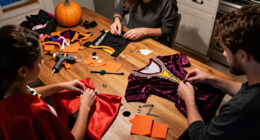
To prevent hurt feelings in your costume contest, set clear, inclusive guidelines emphasizing respect and originality. Clearly outline judging criteria focused on craftsmanship, creativity, and theme adherence, and guarantee transparency from the start. Encourage participants to be mindful of cultural sensitivities and avoid stereotypes, fostering a supportive environment. Maintain professionalism during judging and remind everyone to accept results graciously. Staying guided by these principles ensures a positive experience—if you keep exploring, you’ll find even more ways to make your event respectful and fun.

Get decor and gifts delivered free with Prime
- Fast, free delivery on millions of items
- Prime Video, Amazon Music and more included
- Member-only deals all year
Key Takeaways
- Clearly outline respectful costume guidelines emphasizing cultural sensitivity and avoiding stereotypes.
- Establish transparent judging criteria focusing on creativity, craftsmanship, and presentation to prevent misunderstandings.
- Promote an inclusive environment by encouraging participants to consider cultural impacts and inclusivity.
- Ensure judges evaluate based on established standards, maintaining professionalism and impartiality.
- Foster open communication and address concerns promptly to uphold a supportive and respectful contest atmosphere.
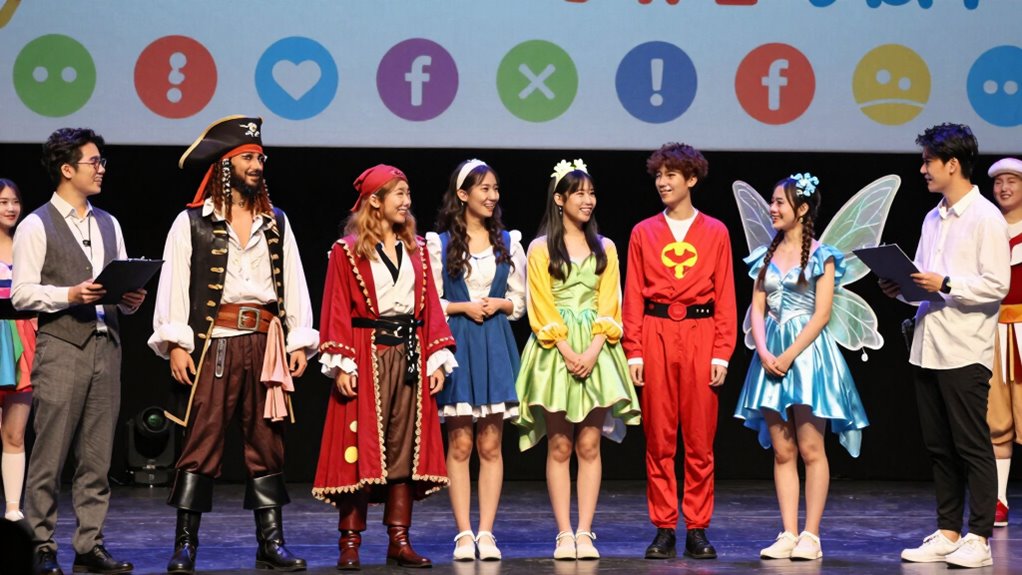
Participating in a costume contest can be a fun and exciting experience, but it’s important to understand the rules to guarantee everything runs smoothly. One key aspect is ensuring the competition remains fair and respectful, which starts with clear guidelines about costume design. When you’re preparing your costume, focus on originality, craftsmanship, and adherence to the theme, but also be mindful of the judging criteria. Knowing what the judges are looking for helps you create a costume that aligns with their expectations without crossing any boundaries that could cause hurt feelings.
Clear guidelines and respect ensure a fun, fair, and inclusive costume contest experience for everyone.
To prevent misunderstandings or feelings of unfairness, set transparent judging criteria from the start. Clarify whether the focus is on creativity, technical skills, or overall presentation. When everyone knows what the judges are evaluating, it minimizes confusion and reduces the chances of someone feeling their efforts weren’t appreciated. For instance, if originality is a priority, encourage unique ideas and discourage copying or overly similar costumes. If craftsmanship is key, emphasize attention to detail and quality. This transparency makes the process more inclusive and less likely to cause disputes.
Respect is crucial throughout the entire contest. Make sure your costume design respects cultural sensitivities and avoids stereotypes or offensive imagery. When you’re creating your outfit, think about how it might be perceived by others. If you’re unsure whether your costume might be inappropriate, seek feedback beforehand or choose a different design. Encouraging participants to respect diverse backgrounds fosters a supportive environment and minimizes potential hurt feelings. Being aware of cultural sensitivities and how costumes might impact others is essential for creating an inclusive atmosphere. Establishing clear rules for respectful costumes can help guide participants in making considerate choices. Remember, the goal is to celebrate creativity, not to offend or alienate anyone.
During the judging process, maintain professionalism and kindness. Judges should evaluate costumes based on the established criteria without bias or favoritism. If you’re a participant, accept the results graciously, even if you don’t win. Avoid confrontations or arguments with judges or fellow contestants. If you feel something was unfair, address it calmly and through the appropriate channels afterward. This attitude helps keep the event friendly and enjoyable for everyone involved.
inclusive costume contest guidelines
As an affiliate, we earn on qualifying purchases.
As an affiliate, we earn on qualifying purchases.
Frequently Asked Questions
How Are Disputes Over Costume Originality Resolved?
When disputes over costume originality arise, you should encourage open dialogue, emphasizing creative expression and respect for cultural sensitivity. You can review contest rules to guarantee fairness and suggest a judging panel that considers originality and cultural awareness. If disagreements persist, mediate calmly, reminding everyone to appreciate diverse ideas. This approach fosters understanding, discourages hurt feelings, and promotes a positive environment where creativity thrives without disrespect.
What Happens if Someone Feels Excluded From the Contest?
If you feel excluded from the contest, don’t worry—you’re not alone in this universe! We prioritize inclusive participation and emotional safety, so we encourage everyone to join and celebrate their creativity. If someone feels left out, we’ll listen, reassure, and find ways to include them next time. Our goal is to create a space where everyone feels valued, appreciated, and free to shine in their own unique way.
Are There Age-Specific Costume Guidelines?
Yes, there are age-specific guidelines to guarantee costume appropriateness. You should tailor costumes to fit different age groups, avoiding overly revealing or inappropriate outfits for children and seniors. For younger participants, opt for fun, creative, and respectful costumes. For adults, costumes can be more elaborate but still appropriate for the setting. These guidelines help everyone feel comfortable and included, making the contest enjoyable for all ages.
How Do You Handle Costume-Related Allergies or Sensitivities?
Handle costume-related allergies or sensitivities by prioritizing allergy-safe materials and sensitive costume choices. You should specify safe fabrics, avoiding latex or harsh dyes, and communicate clearly with participants about potential allergens. Encourage creative, considerate costumes that respect sensitivities, and provide allergy-friendly alternatives. By being proactive and attentive, you create a caring, comfortable environment where everyone feels included and safe, preventing discomfort and ensuring fun for all.
What Is the Process for Submitting a Dispute or Complaint?
To submit a dispute or complaint, you should follow the designated complaint procedures outlined by the contest organizers. First, contact the dispute resolution team through the official email or form provided. Clearly describe your issue, including relevant details and evidence if needed. The team will review your complaint promptly and communicate their decision. This process guarantees fair handling of disputes while maintaining a respectful environment for all participants.
Conclusion
By following these costume contest rules, you create a space where everyone feels valued and respected. But as the judges announce the winners and the crowd enthusiastically waits, you wonder—will your carefully crafted costume stand out? In the end, it’s not just about winning; it’s about making memories without hurt feelings. And as the spotlight shifts, you realize that sometimes, the most important victory is simply having everyone leave with a smile—and maybe a hint of anticipation for next year.
Columbus Day / Indigenous Peoples' Day Picks
long weekend sales
As an affiliate, we earn on qualifying purchases.