
TL;DR
Spooky Halloween decorations work best when you choose one theme, build a focal point, and use light, sound, and small details to lead the eye. Keep walkways clear, secure outdoor props, and choose effects that suit your guests, pets, and weather.
One paper bat in the right window can look creepier than a whole yard full of plastic monsters. Spooky Halloween decorations get their power from contrast, a clear theme, and the moment a familiar porch suddenly looks strange.
You can create that feeling on a small budget, whether you want a playful welcome for trick-or-treaters or a haunted-house scene for older guests. Here’s how to choose a look, build it in layers, and keep the route to your door safe.
Pick one theme and repeat a few colors or motifs so your display feels connected.
Build around one focal point, then add small details that lead guests toward it.
Use LEDs, battery candles, and restrained sound to create atmosphere without relying on open flames or constant noise.
Keep steps, exits, and walkways clear; secure outdoor props and move cords out of reach.
Test your decorations after dark and adjust the scare level for children, guests, neighbors, and pets.
Pick one Halloween theme to make every detail feel connected
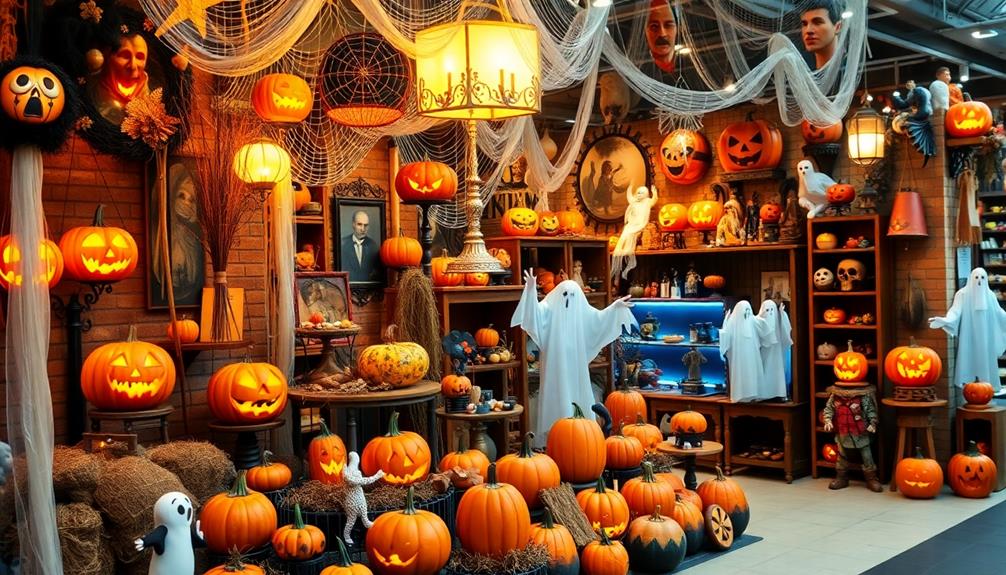
Spooky Halloween decorations feel intentional when you choose one theme and repeat its colors, shapes, and materials. A graveyard might use gray tombstones, bare branches, and cool blue light, while a creepy carnival could mix striped fabric, warm bulbs, and a crooked sign. The style can range from playful to intensely frightening, so decide who you want to delight—or startle—before you shop. A consistent theme helps visitors understand the scene quickly; without one, each prop competes for attention and the display can feel like a storage pile.
Say you have a narrow porch and two evenings to decorate. A witches’ den needs only a broom by the door, a cauldron-shaped planter, and a few paper bats overhead; adding a skeleton, pirate flag, and inflatable ghost may muddy the scene. Repeating two or three details creates visual rhythm, so guests can connect separate objects into one story. It also gives you a practical limit: you can spend time making those details look convincing instead of spreading your budget across unrelated props.
- Haunted house: torn fabric, old portraits, and creaking sounds.
- Classic monsters: friendly ghosts, bats, and monster silhouettes.
- Gothic manor: dark florals, candle-shaped LEDs, and black lace.
Choose details that suit the space as well as the theme. A sound effect may carry across a quiet yard but get lost beside a busy street, while delicate lace can disappear at a distance. Thinking about what visitors can actually see and hear keeps the theme legible without requiring more decorations.
Use a doorway focal point to make a big impression in a small space
A strong Halloween setup usually combines a few focal pieces with smaller details, rather than filling every corner. Choose one spot—a front door, porch window, or yard path—as the scene’s center, then use supporting decorations to guide the eye toward it. A strong setup usually combines a focal prop, layered light, and two or three repeated details. The focal point gives the scene a visual anchor; without it, visitors may notice individual props but miss the overall idea.
For example, hang a gauzy sheet ghost above your porch bench, place two lanterns beneath it, and add paper bats that appear to fly toward the door. That small trail turns separate objects into an eerie scene, like a stage set built from scraps. Keep the trail sparse so the ghost remains the main attraction, and leave the door number visible so visitors can still find the right house.
A projection can fill a blank garage door with drifting shadows, and an oversized inflatable can catch the eye from the street. Both make useful focal points, though inflatables need room and projections work best on a clear, relatively flat surface. Consider viewing distance: a large shape or bright projection reads well from the street, while small handmade details reward guests who come closer. If everything is equally bright or oversized, the eye has nowhere to settle.
Layer light and sound for a scene that feels alive
Lighting and sound make familiar objects feel unfamiliar by changing what guests can see and hear. A dim amber bulb can warm a friendly porch, while a slow flicker behind a paper window silhouette can suggest movement inside. LED lights generally use less electricity and produce less heat than incandescent bulbs, and battery-operated candles avoid open flames. Light also controls how much of the scene visitors can read: deep shadows build mystery, but too little illumination can hide steps and make the display difficult to navigate.
Try this scene: place a blue LED near a fake tombstone, hide a speaker behind a planter, and let a quiet wind sound play with pauses. The light separates the tombstone from the background, while the hidden speaker makes the sound seem to come from within the scene. A constant shriek gets tiring fast; a soft creak followed by silence can make guests lean closer. Pauses give each effect room to register, and they let ordinary nighttime sounds contribute to the mood.
App-controlled lights and synchronized sound can add changing effects, while projection effects can turn a blank wall into a shifting backdrop. These continuing trends work best when they serve the theme instead of competing for attention; too many changes can make guests watch the technology rather than the scene. For outdoor displays, use electrical products rated for outdoor use and follow their instructions. Test the setup from the sidewalk, since brightness and volume that feel subtle up close may seem much stronger—or weaker—at a distance.
Make budget decorations with fabric, cardboard, and borrowed light
You can make a memorable Halloween display with household materials if you focus on silhouettes, fabric, and a consistent color palette. Black paper bats cost little, a worn white sheet becomes a hanging ghost, and an empty jar glows like a potion bottle with a battery tea light inside. Reused materials also take up less space than a collection of single-use props. Their appeal comes from how they catch light and suggest a story, not from expensive finishes; a rough edge or uneven shape can even suit a haunted look.
On a rainy October afternoon, cut a row of bats from cereal boxes, paint them matte black, and tape them across a window. Put a lamp behind the glass and the shapes will show up from the sidewalk. Add a piece of gauze over the frame, and the window takes on a dusty, haunted look. Check the effect after dark: if the room light washes out the bats, move the lamp or use a darker backing. This quick test saves effort because silhouettes depend on contrast, and a decoration that looks clear indoors may disappear from outside.
- Choose a theme and two main colors.
- Pick one focal spot, such as a window or doorway.
- Make three repeatable details, like bats, jars, or scraps of gauze.
- Add one light source and check how the scene looks from the street.
Using a few repeatable materials keeps the project manageable and makes repairs easier if rain or wind damages a piece. The tradeoff is that simple materials may not last outdoors, so reserve delicate cardboard and paper for sheltered windows or bring them inside when the weather turns.
Keep your porch spooky without making it hard to walk through
A good Halloween display gives guests a clear route to the door and enough light to spot steps, cords, and decorations. Keep exits and walkways open, secure lightweight props, and move cords where feet and paws cannot catch them. Atmosphere matters, but access comes first, especially when children arrive in bulky costumes after dark. A clear route also helps people focus on the decorations instead of watching their footing, so safety supports the experience rather than interrupting it.
Imagine a trick-or-treater in a long vampire cape approaching your porch. If fake webbing crosses the handrail and a pumpkin sits on the top step, the scene may look eerie in photos but create a real trip hazard. Put cobwebs above head height, keep the stairs clear, and use a low light to reveal the path. That light can sit near the ground and point toward the steps, allowing the rest of the porch to stay dim without hiding changes in level.
Wind and rain can pull fabric loose or tip light props, so anchor decorations as directed and bring delicate pieces inside during severe weather. Keep candles away from fabric and never leave an open flame unattended. If you have pets, keep small pieces, cords, and frightening moving props out of reach. A display that needs frequent adjustments may be better simplified, since each loose item creates another thing to check as weather and visitors change the scene.
Keep the spooky parts around the path, not across it. Visitors should be able to see steps and reach the door without dodging decorations.
Match the scare level to the people coming to your door
The best scare level depends on who will see your decorations and how close they’ll get. For young children, use friendly ghosts, silly monsters, and gentle sounds; for an adult party, you can add darker lighting or a planned haunted-house route. A display can stay spooky without relying on graphic props or sudden scares. Calibrating the effect matters because an unexpected loud noise can feel exciting to one guest and upsetting to another, particularly when they encounter it at close range.
For a family-friendly porch, try a smiling skeleton holding a candy bowl, soft orange light, and a paper moon in the window. If you host older guests later, switch on a quieter, creepier sound loop in the yard rather than placing a jump scare beside the doorbell. Neighbors, visitors with sensory sensitivities, and pets may also react to loud effects or sudden movement. Keeping the most intense effects optional and away from the entrance lets guests approach at their own pace.
Before October 31, test the scene from the sidewalk and walk the route yourself after dark. You’ll spot glare, dark steps, and decorations that look more alarming up close than they did in daylight. If you are unsure how a prop will land, ask someone unfamiliar with the setup to walk through it; their reaction can reveal whether the intended mood is clear or simply startling.
Frequently Asked Questions
How can I make spooky Halloween decorations on a budget?
Start with paper silhouettes, fabric, and lighting instead of buying a full set of props. Cut bats from cardboard, hang an old sheet as a ghost, and use a battery tea light in a decorated jar. Repeating a few details makes inexpensive materials look planned.
What are the easiest Halloween decorations to make?
Paper bats, window silhouettes, hanging ghosts, and glowing jars are simple starter projects. They need basic supplies and can fit almost any theme. Try one in a window first, then repeat the same shape around your porch.
How do I decorate a porch for trick-or-treaters?
Choose one visible focal point, such as a lit doorway or a friendly ghost above the steps, and keep the route to your door open. Add enough light for visitors to see stairs and obstacles. Secure loose fabric and props so wind or passing costumes cannot pull them into the path.
How do I keep outdoor Halloween decorations from blowing away?
Anchor or weight each decoration according to its design and secure loose fabric so it cannot flap across a walkway. Check product instructions for inflatables and outdoor electrical gear. Bring delicate items inside during severe weather.
When should I put up and take down Halloween decorations?
Many people put decorations up during October and take them down after Halloween on October 31. Your timing can depend on local customs, weather, and how long outdoor materials can hold up. Store flat silhouettes and foldable props dry so they’re ready for next year.
Conclusion
Remember this: one clear scene beats a crowded yard. Choose a theme, light one focal point, and leave a safe, visible path to your door. When the porch glows and a quiet creak drifts through the evening air, even a handful of paper bats can make October feel enchanted.