TL;DR

Get decor and gifts delivered free with Prime
- Fast, free delivery on millions of items
- Prime Video, Amazon Music and more included
- Member-only deals all year
Designers interviewed by Livingetc say interest in mosaic tiles has increased, particularly for bathroom floors and shower enclosures. Their examples show the style being used for patterns, color and handcrafted texture, though the report does not establish a broad market-wide trend.
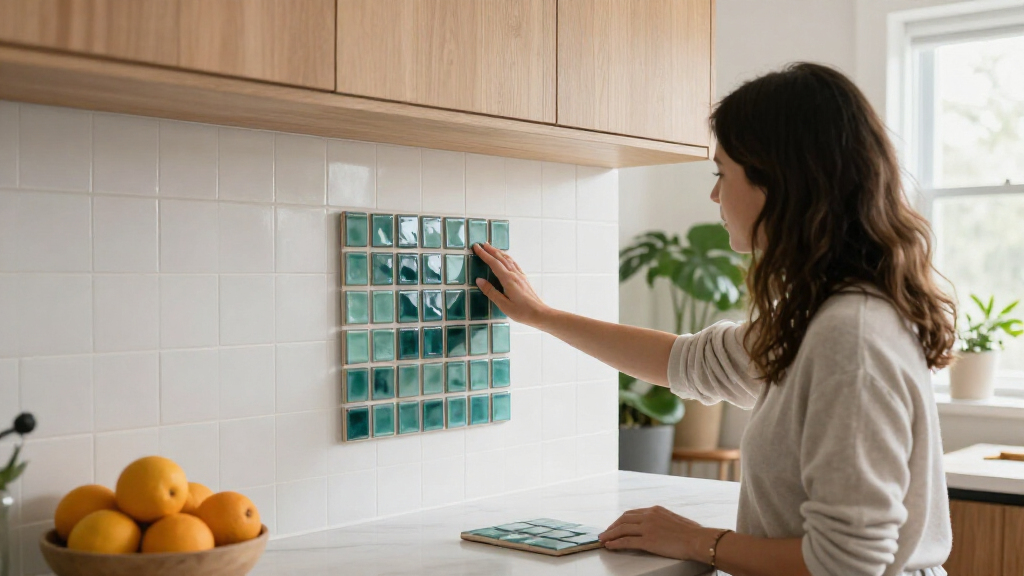
Designers are reporting renewed interest in mosaic tiles, especially for bathroom floors and shower enclosures, according to a Livingetc report. The small-format tiles are also appearing in kitchen splashbacks and decorative floor designs, giving homeowners an alternative to the large-format and handmade-look tiles that have shaped recent bathroom schemes.
Damla Turgut, founder of tile company Otto Tiles, told Livingetc that the company had seen a real increase in demand over the previous 18 months, particularly for bathroom floors and shower enclosures. Turgut said demand had at times been difficult for the company to keep up with. The report does not provide sales figures or independent market data to quantify the wider trend.
The designers cited describe mosaics as useful for introducing color, texture and intricate patterns in compact areas. Small pieces can form geometric designs, murals or contrasting details; the report also highlights examples that use bright grout against dark tiles and floral patterns in flooring. These are examples of design applications, not a single prescribed style.
The material is not limited to bathrooms. Designer Martin Masse told Livingetc that his practice uses mosaics in showers and has also used them for kitchen splashbacks. Designer Susannah Holmberg used the tile style in a Utah desert house, where its appearance complemented warm wood and natural materials. The report also features artist Amy Exton’s detailed mosaic floor work.
Small Tiles, More Design Options
The renewed attention matters because mosaics let designers add detail to rooms often planned around practical surfaces. Their smaller pieces can make it possible to create custom patterns and visual accents without covering an entire room in an elaborate finish. That flexibility offers homeowners another route to a more individual bathroom or kitchen.
The appeal described by the designers is also a response to changing tastes. Daphne Meeus told Livingetc that mosaics bring a warmth and handcrafted quality she finds less common in large-format tiles. Holmberg linked their appeal to interest in materials that feel natural or hand-cut rather than sterile and mass-produced. Those are the designers’ observations, not evidence that all buyers share the preference.
For readers planning a renovation, the examples suggest mosaics can be used selectively, such as on a floor, shower enclosure or backsplash, rather than as an all-over treatment. The report does not compare installation or maintenance costs, so those practical questions will depend on the tile, layout and project.
Popular right now

KitchenAid 5.5-Qt Bowl-Lift Stand Mixer, Porcelain White (KSM55SXXX)

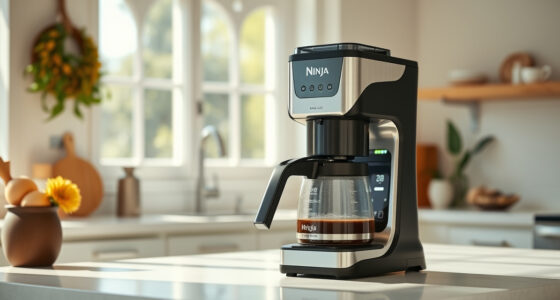
Ninja DualBrew Pro Specialty Coffee Maker, Black, CFP301

Dyson Cyclone V10 Origin Cordless Vacuum
As an affiliate, we earn on qualifying purchases.
From Handmade Looks to Mosaics
Mosaic tilework has a long history, dating back to the third millennium BCE, according to the Livingetc report. It has remained in use over time, but the publication says it had been less prominent in recent bathroom projects than styles such as Zellige and other handmade-look tiles.
That recent popularity may have helped make textured, varied finishes familiar to consumers, Turgut suggested. She told Livingetc that people have become more accustomed to handmade tiles and more appreciative of variations in color, texture and finish. Mosaics extend those possibilities by allowing small pieces to be combined into patterns and decorative areas.
Livingetc also cited more than 9,900 Google searches in the previous month for mosaic tiles as a sign of interest. The report gives no search-market baseline, geographic breakdown or longer time series, so that figure is a raw observation rather than proof of a particular rate of growth.
“We’ve seen a real increase in demand for mosaics over the past 18 months, particularly for bathroom floors and shower enclosures.”
— Damla Turgut, founder of Otto Tiles
How Broad Is the Revival?
The report relies on interviews with designers and examples of completed projects. It does not establish how widely mosaic tiles are selling across the housing or renovation market, nor does it offer independent sales data to show whether demand is rising across regions or price ranges.
The cited Google search count is not paired with a comparison period or baseline, and the report does not say how long the interest will last. It also provides no general cost, installation or upkeep comparisons with other tile formats. Homeowners should check those details with suppliers and installers for their specific project.
What Homeowners Can Check
The report does not identify a scheduled industry milestone or forecast. For now, the next useful test of the trend will be whether suppliers and designers continue to report demand beyond the examples and company observations cited by Livingetc.
Anyone considering mosaics can ask a tile supplier or designer about material, grout, installation and maintenance for the intended location, and review samples under the room’s lighting. Comparing quotes and checking that a proposed tile is suitable for a wet area can help distinguish a visual trend from a practical fit for a particular renovation.
Key Questions
Where are designers using mosaic tiles?
Designers cited by Livingetc use them on bathroom floors and shower enclosures, as well as kitchen splashbacks and decorative floors.
Why are mosaics attracting attention?
The designers point to their small scale, pattern-making flexibility and handcrafted appearance. These are their views, rather than a survey of homeowners.
Does the report prove mosaic tiles are growing across the whole market?
No. It reports one tile company’s account of increased demand and gives design examples, but offers no independent market-wide sales data.
Are mosaic tiles only for bathrooms?
No. The designers interviewed also describe using them for kitchen splashbacks and decorative flooring.
Source: livingetc.com