Candy buyback programs are community initiatives where you can exchange leftover Halloween treats for incentives like gift cards or toys. Participants, mainly children supervised by adults, drop off candies at designated locations such as schools or community centers. These programs promote healthier habits, reduce waste, and often support charities. Dental professionals may provide health tips, and organizers use fun activities to encourage involvement. To discover how to set up a successful event, keep exploring the details.
Key Takeaways
- Participants donate excess Halloween candy at designated locations, such as schools or community centers.
- Candies are sorted, counted, and exchanged for incentives like gift cards, cash, or toys.
- Events often include themed collection days, contests, and outreach through social media to boost participation.
- Dental professionals and educators promote responsible candy consumption and proper disposal during buyback activities.
- Proper recycling and disposal of wrappers support environmental sustainability and reduce candy-related waste.
As an affiliate, we earn on qualifying purchases.
The Concept Behind Candy Buyback Initiatives

Candy buyback initiatives are programs designed to encourage kids to exchange their Halloween or leftover candies for other rewards or incentives. The concept behind these initiatives ties directly to the candy manufacturing industry, which seeks to promote responsible consumption and brand loyalty. By participating in buyback programs, children are motivated to trade their excess candies, reducing waste and unhealthy snacking. These programs also serve as effective marketing strategies for candy companies, fostering positive community engagement and brand awareness. Manufacturers often partner with schools or local organizations, offering incentives that make the exchange appealing. Essentially, buyback initiatives leverage the popularity of candy while aligning with broader marketing goals, creating a win-win situation for manufacturers and communities alike. Additionally, incorporating airless paint sprayers into promotional campaigns can enhance community outreach efforts through efficient and appealing visual displays.
Typical Participants in Candy Buyback Events
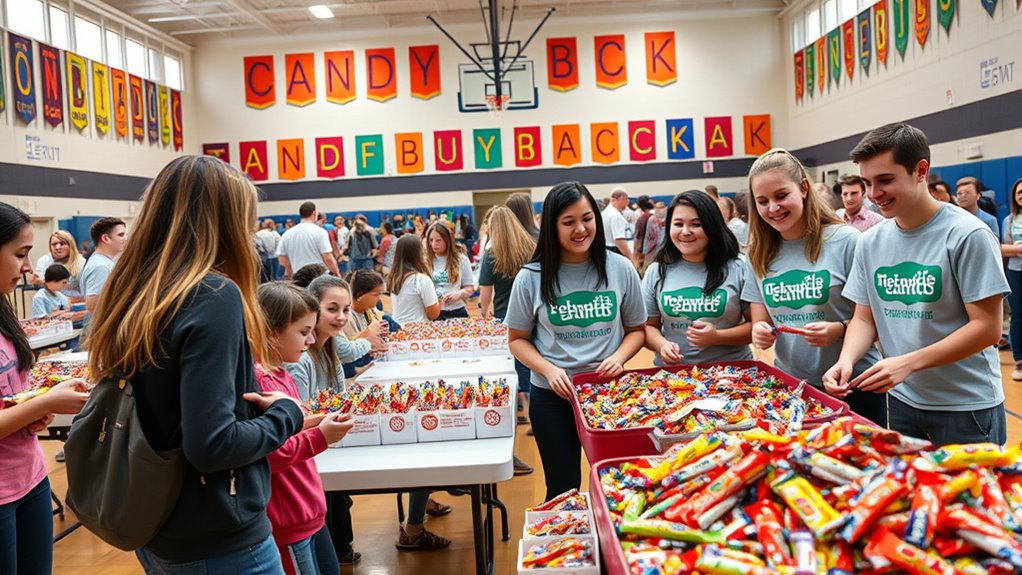
Participants in candy buyback events typically include children, who are the primary focus of these programs, along with their parents or guardians who oversee the exchange. Kids often bring candies that reflect their flavor preferences, which can influence the types collected and donated. Parents might also be involved in selecting candies based on packaging designs, preferring options that are easy to identify or more appealing for donation purposes. These events usually attract children enthusiastic to earn rewards or incentives, while adults supervise to ensure safety and proper handling. The focus on candy flavor preferences and packaging designs helps organizers understand what candies are most popular and how to encourage participation. Additionally, cookie consent management tools can be used to gather feedback on participants’ experiences and improve future events. Overall, both children and their guardians play essential roles in the success of candy buyback initiatives.
Methods Used to Collect and Exchange Candy

You can drop off your candy at designated events and locations, making the process simple and accessible. Some programs also use digital and mobile platforms to facilitate exchanges, allowing you to participate from anywhere. These methods guarantee that collecting and exchanging candy is convenient and efficient for everyone involved. Additionally, some programs incorporate beneficial ingredients in their promotional materials to highlight the positive impact of participation.
Drop-off Events and Locations
Drop-off events and designated locations serve as the backbone of candy buyback programs, providing convenient points for you to exchange your leftover treats. These locations are carefully chosen to make candy storage and drop-off easy, often set up at schools, community centers, or local businesses. To maximize participation, organizers focus on effective event promotion, spreading the word through flyers, social media, and local outreach. During these events, you can simply bring your candy, and volunteers handle the collection efficiently. Some programs also set up permanent drop-off bins at popular spots for ongoing participation. This approach guarantees a steady flow of candy donations, making the buyback process smooth and accessible for everyone involved. Additionally, coordinating with retail hours ensures that drop-off locations are accessible when most convenient for donors.
Digital and Mobile Exchanges
Digital and mobile exchanges have revolutionized how candy buyback programs collect and distribute treats. By leveraging digital payment systems, you can easily send and receive candy donations through secure transactions. Mobile app development has made it simple for participants to access buyback programs anytime, anywhere. With a few taps, you can schedule pick-ups, track your contributions, or redeem rewards. These digital platforms streamline the process, reducing the need for physical drop-off locations and making participation more convenient. Plus, they enable real-time updates, ensuring you stay informed about program milestones and your impact. Additionally, airless technology ensures a smooth application process with minimal overspray and efficient coverage. Overall, digital and mobile exchanges create a seamless experience, encouraging more involvement and making candy buyback programs more accessible and efficient for everyone involved.
Common Rewards and Incentives Offered
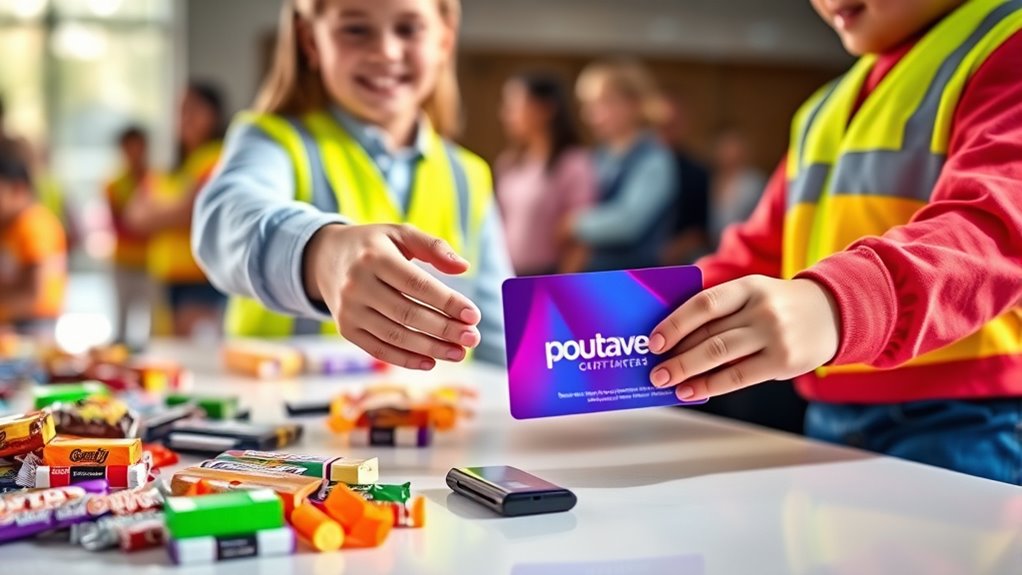
Many buyback programs motivate participants with rewards like gift cards or cash incentives. These options encourage more candy exchanges and increase engagement. You might also see incentives for donating candy to local charities, adding a helpful community aspect. Additionally, programs often utilize performance cookies to analyze participation rates and improve the effectiveness of their rewards systems.
Gift Card Rewards
Gift card rewards are among the most popular incentives offered through candy buyback programs because they provide immediate, flexible benefits that participants value. These rewards can be used for various purposes, from purchasing new candy packaging supplies to supporting event marketing efforts. Offering gift cards appeals to a broad audience and encourages higher participation rates. Participants appreciate the convenience of choosing their preferred stores or online options, making the process more engaging. Additionally, raw food reward programs can promote healthier choices among participants and foster a sense of community engagement.
Cash Incentives Offered
Have you considered cash incentives as a compelling reward in candy buyback programs? Offering cash can motivate participants to bring in more candy, making the process efficient. When managing buyback program logistics, clear communication about cash rewards enhances transparency and trust. Typically, incentives are based on the weight or type of candy collected, regardless of candy packaging. This simplicity encourages more participation. Cash incentives streamline the process for organizers, as they don’t require tracking specific items like gift cards or other rewards. You might set fixed rates per pound or offer bonuses for larger collections. Ultimately, cash incentives serve as a straightforward, attractive reward that can boost engagement and help your program run smoothly. Incorporating mindfulness techniques into your planning can also help reduce stress and improve overall program management.
Candy Donations Incentives
When it comes to encouraging candy donations, offering appealing rewards can substantially boost participation. Candy donation incentives motivate donors and make charity fundraising more fun. Common rewards include small toys, stickers, or certificates of appreciation that appeal to kids and parents alike. These incentives create a sense of achievement and encourage repeated participation. Additionally, hosting themed contests or offering recognition during school events can further incentivize donations. By providing tangible rewards, you make the candy buyback program more engaging and effective. People are more likely to contribute when they see immediate benefits. Incorporating a positive feedback loop by rewarding donors encourages ongoing support. Ultimately, well-chosen candy donation incentives help maximize donations, support your charity fundraising goals, and foster a community spirit around giving.
The Role of Dental Professionals in These Programs

Dental professionals play a essential role in the success of candy buyback programs by leveraging their expertise to promote oral health and encourage participation. Your dental team can educate children and parents about the risks of excessive candy consumption, highlighting how it impacts their teeth and overall health. By providing insights on proper oral hygiene and offering healthier alternatives, you help reinforce good habits. Your presence at buyback events also lends credibility and trust, motivating families to participate. Additionally, you can distribute educational materials and answer questions, making the initiative more engaging. Incorporating high contrast ratio projectors can improve the visual presentation of educational materials during these events, enhancing understanding and retention. Ultimately, your involvement emphasizes the importance of maintaining oral health while supporting community efforts to reduce candy intake, creating a positive impact that extends beyond the dental office.
How Schools and Community Centers Get Involved

Schools and community centers play an essential role in supporting candy buyback programs by actively promoting participation and organizing events. You can encourage students to bring in their candy by highlighting fun themes, like unique candy flavors or creative packaging designs that catch the eye. Hosting themed collection days or contests can boost enthusiasm, while informative posters showcase how different candies, regardless of flavor or packaging, contribute to the program’s success. You might also set up displays featuring eye-catching packaging design to motivate students. Additionally, involving local businesses for sponsorship or prizes can increase engagement. By making the process interactive and visually appealing, you help students feel excited about turning their candy into positive community action. Incorporating community engagement strategies can further enhance participation and support the program’s goals.
The Health Benefits of Participating in Candy Buyback
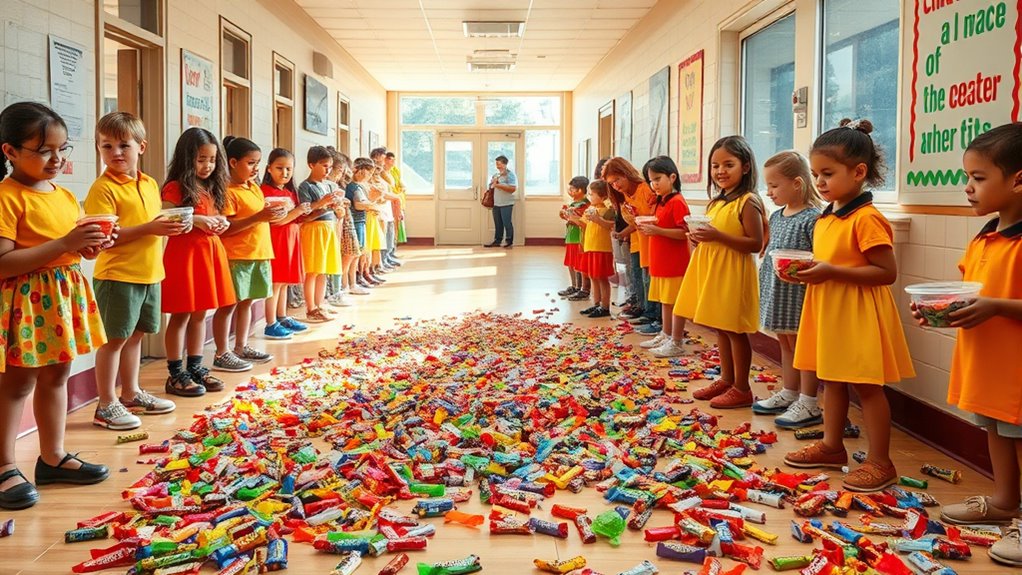
Participating in candy buyback programs can offer surprising health benefits by encouraging you to make healthier choices and reduce sugar consumption. When you exchange candy for incentives, you’re often motivated to limit your intake, which positively impacts your overall sugar consumption. This reduction can lead to better candy nutrition in your diet, as you’re less likely to overconsume sweets high in added sugars and empty calories. Cutting back on sugary treats helps maintain stable energy levels and lowers the risk of dental problems. Additionally, understanding the caloric content of candies can further motivate healthier decisions. By actively choosing to participate, you develop healthier habits that promote better long-term wellness. Overall, these programs support balanced eating habits and help you become more mindful of the candy nutrition you consume daily.
Environmental Impact of Candy Disposal and Recycling
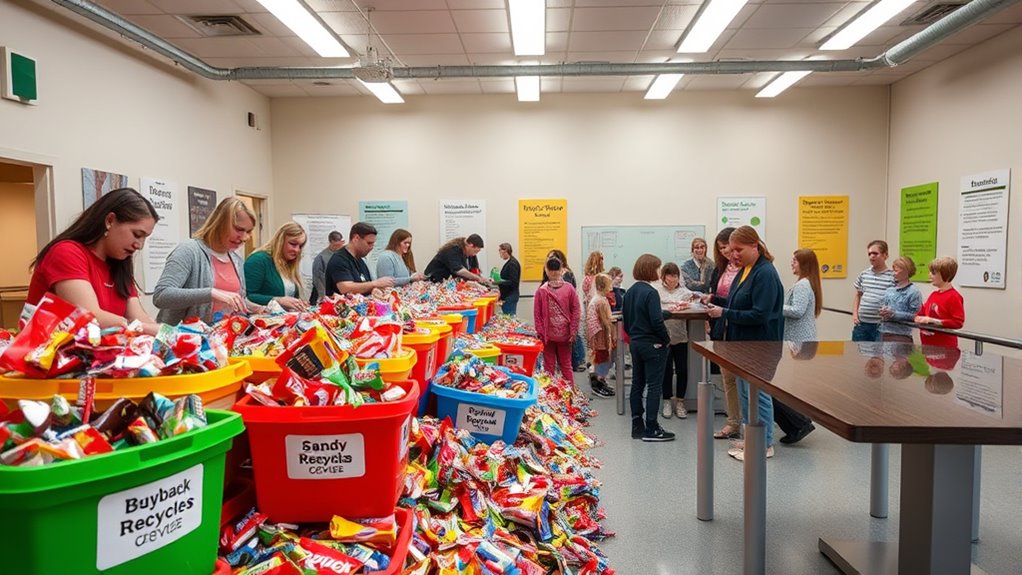
While candy might seem harmless, its disposal and recycling have significant environmental impacts. Improper disposal contributes to landfill waste, which can take years to decompose and release harmful chemicals. Recycling candy wrappers and packaging is essential for promoting sustainability practices and waste reduction. Additionally, implementing cookie management strategies can help consumers make more informed choices about waste and recycling behaviors.
Community Outreach and Educational Opportunities
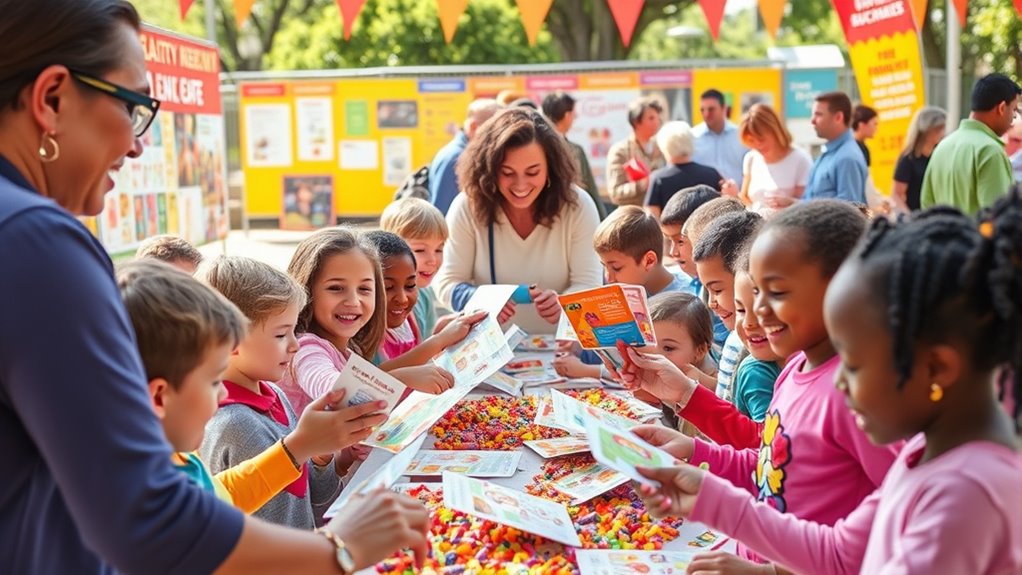
Participating in school events gives you a chance to educate students about the benefits of candy buyback programs and promote safer practices. Safety and awareness campaigns can help highlight the importance of responsible disposal and community health. By engaging with these initiatives, you can strengthen community ties and foster informed decision-making. Incorporating digital literacy into outreach efforts can further empower students to make safe and responsible choices regarding their online and offline activities.
School Events Participation
School events offer a valuable opportunity to engage students, parents, and the community in meaningful learning experiences. Participating in these events helps highlight the cultural significance of candy buyback programs and promotes awareness. By integrating creative marketing strategies, you can attract more attendees and foster enthusiasm. You might showcase how the program supports local charities or emphasizes healthy choices, making the event educational and impactful. To maximize involvement, consider activities like interactive booths or contests that educate about the benefits of recycling and community service. These strategies make the event memorable and reinforce the program’s positive message. Incorporating information about raw food diets and their health benefits can also promote wellness education during community events. Building strong community ties through school events not only boosts participation but also emphasizes the importance of collective efforts in making a difference.
Safety and Awareness Campaigns
Building on the community engagement fostered through school events, safety and awareness campaigns play a pivotal role in promoting responsible participation in candy buyback programs. These campaigns help you understand nutrition tips that emphasize healthier choices and highlight the importance of candy alternatives, like fruits or low-sugar snacks. By spreading awareness, you can make informed decisions that prioritize health and safety for children and families. Educational outreach encourages conversations about moderation and the risks of excessive sugar consumption, reinforcing responsible behavior. Additionally, these campaigns foster trust in buyback initiatives, ensuring community support. When you’re informed about nutrition and alternatives, you’re more likely to participate responsibly, making the program effective and beneficial for everyone involved. Emphasizing effective communication techniques ensures that messages about safety and health are clearly conveyed and well received.
How to Organize a Successful Candy Buyback Event
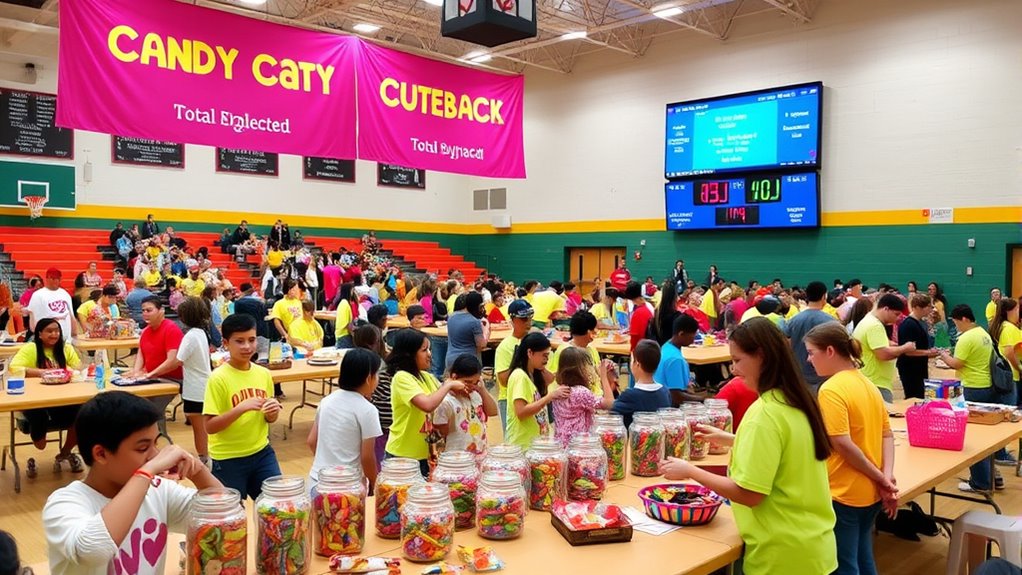
To organize a successful candy buyback event, start by setting clear goals and planning logistics well in advance. Focus on effective marketing strategies to attract participants, such as engaging posters and social media outreach. Pay attention to candy packaging to assure safety and appeal, making sure candies are clean and well-presented. Consider the following to boost your event’s success: create eye-catching marketing materials that highlight the benefits and purpose of the buyback, design attractive candy packaging that emphasizes safety and quality, schedule the event at convenient times and locations to maximize participation, and ensure proper hive health by monitoring for potential contaminants or hazards that could affect the safety of candies.
Frequently Asked Questions
How Do Buyback Programs Ensure Safety and Hygiene of Collected Candy?
You can trust buyback programs to guarantee safety by strictly following hygiene standards and preventing candy contamination. They often require participants to sort and package candies carefully, with staff wearing gloves and using sanitized equipment. Additionally, collected candy is inspected for contamination before processing. This careful handling minimizes risks, maintaining safe, hygienic conditions, so you can participate confidently knowing your candy is managed responsibly and safely.
Are There Specific Age Groups Targeted by These Initiatives?
You’ll find that candy buyback programs often focus on specific age groups through age-specific outreach and teen engagement. These initiatives target elementary students, middle schoolers, or teenagers, encouraging them to participate in safe, fun activities that divert candy from landfills. By tailoring messaging and activities to each age group, you can effectively promote responsible candy disposal while fostering community involvement and environmental awareness among younger audiences.
What Are the Legal Considerations for Hosting a Buyback Event?
You need to navigate a legal maze to host a buyback event smoothly. Make certain you have liability coverage to shield yourself from unexpected spills or accidents. Check licensing requirements to ensure you’re operating within the law’s boundaries. These steps turn a sweet idea into a safe, legal event, preventing surprises that could turn your celebration sour. Stay proactive, plan carefully, and your candy buyback can be a risk-free success.
How Is Funding for Buyback Programs Typically Secured?
You typically secure funding for buyback programs through diverse funding sources like school budgets, grants, or community fundraising events. Sponsorship partnerships with local businesses or organizations also play a vital role, providing financial support or in-kind donations. By combining these funding sources and building strong sponsorship partnerships, you can guarantee your buyback program has the necessary resources to operate successfully and maximize its impact on reducing candy waste and promoting healthier habits.
Can Buyback Programs Be Integrated Into Existing School Curricula?
You can definitely integrate buyback programs into existing school curricula. Studies show that engaging classroom activities boost student participation by 30%. By incorporating curriculum integration, you can turn candy buyback programs into fun, educational experiences. Use lesson plans that connect economics or health topics with the program. This approach encourages student involvement, reinforces learning, and makes the buyback activity an enriching part of classroom activities.
Conclusion
By participating in a candy buyback, you’re not just swapping sweets — you’re saving smiles, protecting the environment, and transforming your community into a superhero hub! Imagine turning mountains of candy into sparkling teeth and greener streets overnight. So, grab those candies, join the movement, and become a legend in your neighborhood. Because when you buy back candy, you’re releasing the power to change lives — one sweet at a time!