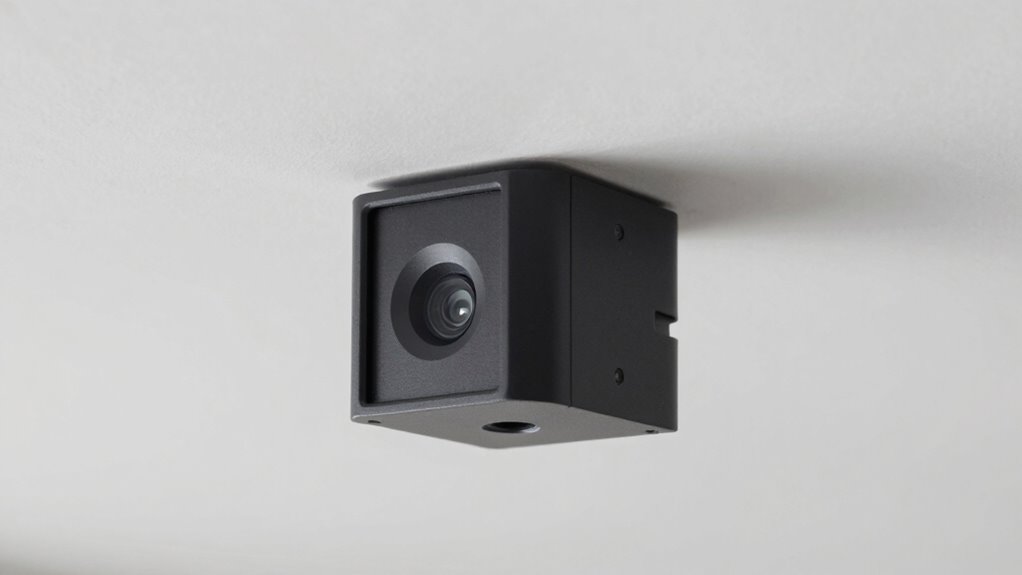

Your motion sensors often fail because of poor placement. If sensors are installed too high, too low, or facing away from activity zones, they can miss motion and cause false alarms. Obstructions like furniture or decorations also block their view. To fix this, position sensors at the right height, directly facing areas of activity, and keep their view clear. Continue exploring how proper setup makes your sensors work reliably every time.
Key Takeaways
- Incorrect sensor placement, such as positioning too high or in blind spots, reduces detection efficiency.
- Facing away from activity zones causes the sensor to miss motion events.
- Obstructions like furniture or decorations block the sensor’s view, impairing detection.
- Placing sensors in direct sunlight or near heat sources triggers false alarms or reduces sensitivity.
- Failure to calibrate or adjust sensitivity settings after installation can lead to missed detections.
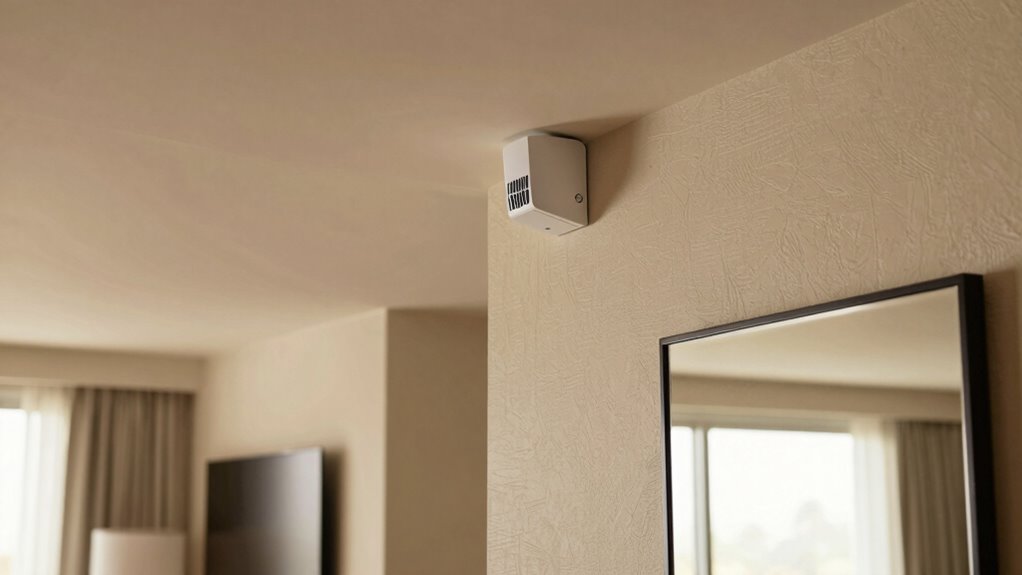
Motion sensors often fail because of one simple but overlooked mistake: their placement. If your sensor isn’t working as expected, the problem might not be the device itself but where you’ve installed it. Proper placement is crucial because it influences how well the sensor detects movement. When you install a sensor too high, too low, or in a corner that doesn’t cover the desired area, it can miss motion altogether. Similarly, if the sensor faces away from the activity zone or is obstructed by furniture or decorations, its effectiveness drops significantly.
Another common cause of failure is neglecting sensor calibration. Many motion sensors require you to calibrate them during installation or periodically to ensure they respond accurately. If calibration isn’t done properly, the sensor might trigger false alarms or fail to detect movement altogether. You should follow the manufacturer’s instructions carefully, adjusting sensitivity settings and detection range as needed. Sometimes, small tweaks in calibration can make a huge difference in sensor performance, especially in environments with changing lighting or temperature conditions.
Power source issues also play a major role in sensor failure. Many motion sensors rely on batteries or a direct power connection. If you’re using battery-powered sensors, weak or dead batteries can cause intermittent operation or complete failure. It’s essential to check and replace batteries regularly, especially in colder months when battery life tends to decrease. For wired sensors, ensure the power connection is secure and free from damage. Loose wires or faulty outlets can prevent the sensor from receiving power, rendering it useless. In both cases, a quick inspection of the power source can save you hours of troubleshooting later. Additionally, environmental factors such as proper sensor placement and avoiding direct exposure to heat or sunlight are essential to maintaining sensor reliability and preventing false triggers. Being aware of environmental influences can help you optimize the sensor’s location and ensure consistent performance. Regular cleaning and maintenance can also prevent dust or debris from obstructing the sensor’s view, which is often an overlooked aspect of sensor reliability.
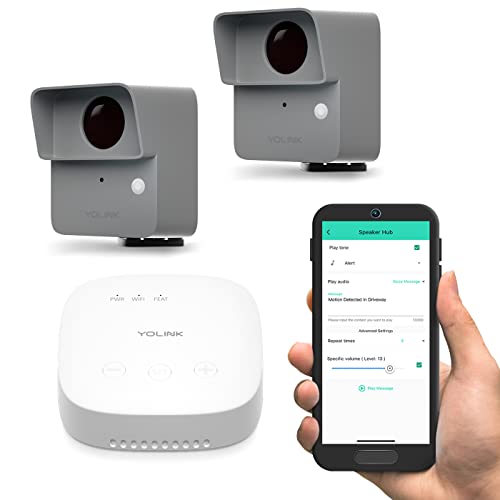
YoLink Outdoor Motion Sensor Kit, 2 LoRa Motion Sensors + SpeakerHub, Driveway Alert, D2D Direct Pairing Works Without Internet, App Email SMS Alerts, Alexa Routines, 2+ Year Battery, Hub Included
- Long-Range Wireless: Up to 1/4 mile open-air range
- Starter Kit with SpeakerHub: Includes 2 sensors and audible alert hub
- Outdoor Driveway Alerts: Detects vehicles and people for security
As an affiliate, we earn on qualifying purchases.
As an affiliate, we earn on qualifying purchases.
Frequently Asked Questions
What Are the Best Locations for Installing Motion Sensors?
You should install your motion sensors in high-traffic areas with suitable positioning to cover maximum space. Place sensors near entrances, hallways, or rooms you want to monitor, avoiding obstructions like furniture or decorations. Mount sensors at a height of about 6-8 feet for the best sensor placement. Make sure they face away from heat sources or direct sunlight, which can interfere with their detection ability. Proper placement guarantees reliable security and minimizes false alarms.
How High Should a Motion Sensor Be Mounted?
Think of mounting your motion sensor like setting a watch—precision matters. You should install it about 6 to 8 feet high for ideal coverage, ensuring it’s clear of obstructions. Proper placement helps with sensor calibration, making sure it detects motion accurately. Also, check that the power supply is steady; inconsistent power can cause malfunctions. Mounting at this height keeps false alarms at bay and keeps your security system running smoothly.
Can Weather Conditions Affect Motion Sensor Performance?
Yes, weather conditions can affect your motion sensor’s performance. Extreme temperatures, rain, snow, or strong winds can interfere with sensor calibration, causing false alarms or missed detections. To guarantee reliable operation, regularly check and adjust your sensor placement, especially in harsh weather. Proper calibration helps your sensor distinguish between real motion and environmental disturbances, reducing false alarms and keeping your security system functioning effectively regardless of weather changes.
Are There Different Types of Motion Sensors for Indoor and Outdoor Use?
Yes, there are different types of motion sensors for indoor and outdoor use. Indoor sensors focus on detecting movement within a room, while outdoor sensors are built to withstand weather and cover larger areas. Proper sensor calibration and a reliable power supply are key. If you don’t consider these factors, your sensor might fail unexpectedly, leaving you in the dark when you need it most. Stay vigilant—choose the right sensor for your space.
How Do I Troubleshoot a Motion Sensor That’s Not Working?
To troubleshoot a non-working motion sensor, first check the power supply to guarantee it’s receiving power; replace batteries or reset the circuit if needed. Next, verify sensor calibration by cleaning the lens and adjusting sensitivity settings. If it still doesn’t work, inspect for obstructions or incorrect placement. Proper calibration and a reliable power supply are key to making your sensor function correctly.
Conclusion
To guarantee your motion sensors work effectively, always consider their placement carefully. For example, if you install a sensor near a window, sunlight or passing shadows might trigger false alarms. Imagine a homeowner who moved their sensor away from a busy street; suddenly, their security system became more reliable. By paying attention to placement—avoiding areas with drafts, direct sunlight, or obstructions—you can prevent false triggers and keep your security system running smoothly.