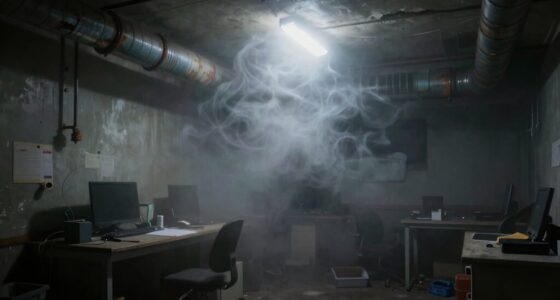
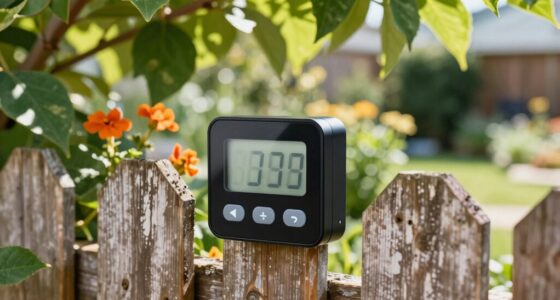
Before using CO2, make sure your ventilation systems are working properly and can maintain safe air exchange rates. Clearly understand emergency procedures, keep detectors and respirators accessible, and conduct regular system checks. Train yourself and others on recognizing symptoms of CO2 exposure and response actions. Follow safety data sheets and storage guidelines. Good preparation reduces risks and keeps everyone safe. To learn more about maintaining safe CO2 use, keep exploring this essential safety checklist.
Open a free Amazon Business account
Business pricing, bulk buying and tax-exempt orders.
As an affiliate, we earn on qualifying purchases.
Key Takeaways
- Ensure proper ventilation and air exchange systems are functioning to prevent CO2 buildup.
- Use gas detectors and monitor CO2 levels continuously before and during use.
- Have clear emergency procedures and accessible safety equipment, including respirators.
- Regularly maintain and inspect ventilation systems and safety devices for optimal performance.
- Train personnel to recognize symptoms of CO2 exposure and follow safety protocols diligently.
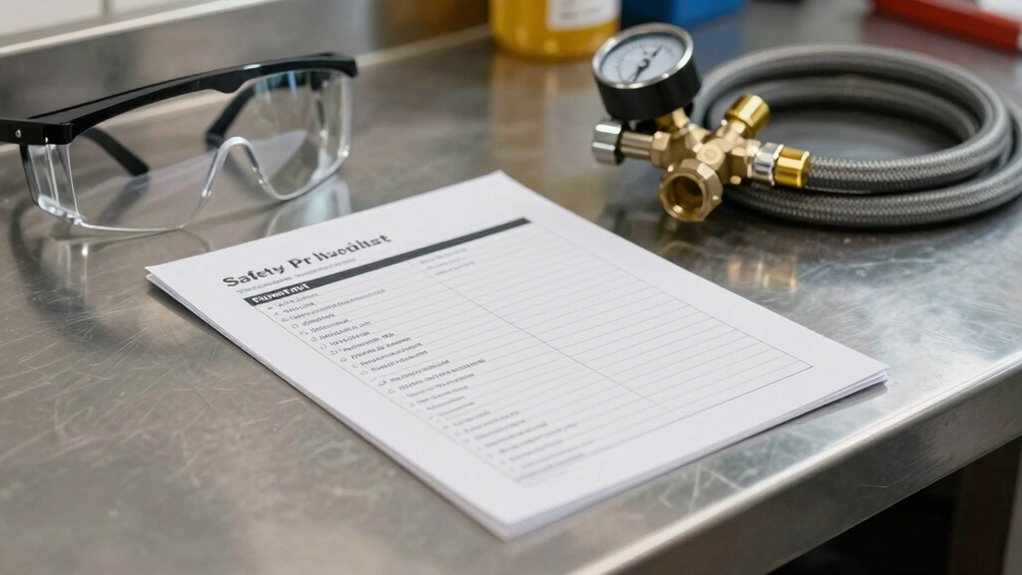
Understanding the risks associated with CO2 exposure is essential for maintaining a safe environment, especially in industrial or confined space settings. CO2, while useful in many applications, can quickly become dangerous when not properly managed. Before you use CO2, you need to ensure that ventilation concerns are addressed. Adequate ventilation is critical to prevent CO2 buildup, which can lead to symptoms like dizziness, headaches, or even loss of consciousness. You should regularly check that ventilation systems are functioning properly and that air exchange rates meet safety standards. If natural or mechanical ventilation isn’t sufficient, consider using portable exhaust fans or increasing airflow to dilute CO2 levels effectively.
Aside from ventilation, understanding and planning for emergency procedures is vital. Always have a clear, well-communicated plan in case of CO2 leaks or exposure. Ensure that all personnel know how to recognize symptoms of CO2 poisoning and what immediate actions to take. Emergency procedures should include evacuating the area quickly and safely, alerting emergency response teams, and providing first aid, such as fresh air and medical attention if needed. Keep emergency equipment, like respirators and gas detectors, easily accessible at all times. Regular drills help reinforce these procedures, making sure everyone responds swiftly and correctly during an actual incident.
Before initiating any work involving CO2, verify that all monitoring devices are calibrated and functioning properly. Gas detectors should be placed at strategic locations to give real-time readings, alerting you to dangerous concentrations before they reach harmful levels. This proactive approach allows you to act early, whether by increasing ventilation, evacuating the area, or shutting down equipment. It’s also essential to review safety data sheets (SDS) and manufacturer instructions for the specific CO2 system you’re using, ensuring proper handling and storage procedures are followed. Additionally, understanding ventilation standards and ensuring compliance can significantly reduce risks associated with CO2. Regular maintenance and system checks are equally important to sustain safety measures over time. Incorporating proper safety protocols into your routine can further minimize the potential for accidents related to CO2 exposure. Being aware of CO2 concentrations through continuous monitoring is crucial for preventing dangerous build-ups before they occur. Proper training and awareness of air quality fundamentals can help your team recognize early warning signs of unsafe conditions and respond effectively.
As an affiliate, we earn on qualifying purchases.
Frequently Asked Questions
Can CO2 Be Safely Stored Long-Term?
Yes, CO2 can be safely stored long-term if you follow proper storage procedures and safety protocols. You should use approved, airtight cylinders stored in a cool, well-ventilated area away from heat sources and direct sunlight. Regular inspection and maintenance are essential to prevent leaks or corrosion. Always guarantee proper labeling and training for handling and storage. Adhering to these guidelines minimizes risks and maintains safe, long-term CO2 storage.
What Are Common Signs of CO2 Leaks?
You’ll notice signs of CO2 leaks through hissing sounds, a sudden decrease in pressure, or a foggy, misty appearance around equipment. If you suspect a leak, quickly perform leak detection using specialized tools and follow your emergency procedures, such as evacuating the area and ventilating the space. Acting swiftly minimizes risks, so always stay alert for these signs and have safety protocols in place to protect yourself and others.
Is Special Training Required to Handle CO2 Equipment?
Yes, handling procedures and emergency protocols are essential when working with CO2 equipment. You should receive special training to guarantee you understand proper handling, potential hazards, and safety measures. This training helps you respond quickly and effectively in case of leaks or accidents. Following proper procedures minimizes risks, protects your safety, and ensures safe operation of the equipment, giving you confidence to work with CO2 safely.
How Often Should CO2 Safety Equipment Be Inspected?
You should inspect CO2 safety equipment regularly, ideally according to your maintenance schedule, to guarantee it’s functioning properly. It’s essential to check for leaks, corrosion, and proper pressure levels. Incorporate these inspections into your emergency procedures, so you’re prepared if a problem arises. Consistent inspections help prevent accidents and ensure safety, giving you peace of mind. Always follow manufacturer guidelines and local regulations for inspection frequency.
Are There Specific Regulations for Residential CO2 Systems?
Think of residential CO2 systems as delicate musical instruments—you need to tune them just right. Yes, there are specific regulations you must follow, including regulation compliance and safety certifications. These rules make certain your system operates safely and effectively within your home. Always check local codes, work with certified professionals, and adhere to safety standards to keep your household protected. Properly regulated systems harmonize safety and performance seamlessly.
Conclusion
Remember, while checking your CO2 safety checklist might seem like overkill, ignoring it could turn a routine task into a carbon copy of disaster. Ironically, the very precautions meant to keep you safe are often overlooked, leaving you vulnerable to silent, invisible hazards. So, before you breathe easy, double-check those safety measures—because sometimes, the biggest danger lurks where you least expect it, all in the name of convenience. Stay safe, stay aware.
Fall Picks
fall essentials
As an affiliate, we earn on qualifying purchases.