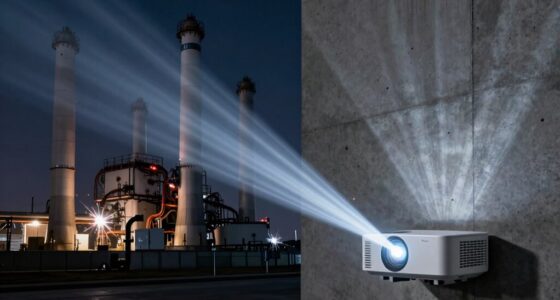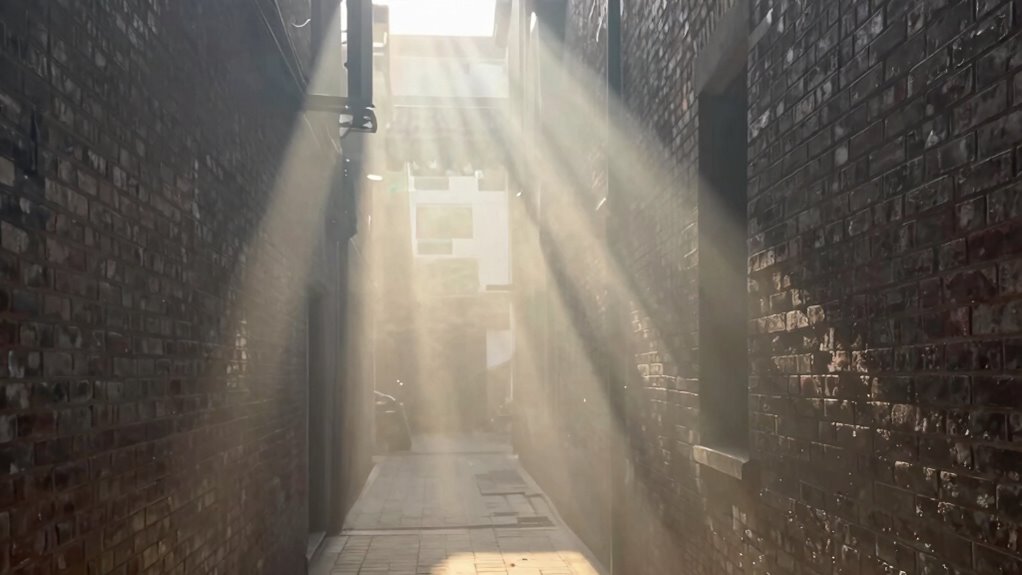

If you want visible light beams, use haze instead of fog because haze particles are smaller and scatter light evenly, making beams appear sharp and well-defined. Haze creates a subtle, dramatic atmosphere without blocking your view, unlike fog, which diffuses light and reduces visibility. It’s perfect for highlighting specific light paths and achieving a clear, ethereal effect. Keep exploring to discover how haze can transform your lighting setup and enhance your scene even more.

Get decor and gifts delivered free with Prime
- Fast, free delivery on millions of items
- Prime Video, Amazon Music and more included
- Member-only deals all year
Key Takeaways
- Use haze to create sharp, well-defined light beams that are clearly visible over long distances.
- Opt for haze when a subtle glow and ethereal atmosphere are desired without obscuring background details.
- Choose haze for controlled light scattering, allowing precise adjustment of beam visibility and scene ambiance.
- Avoid fog if you need to maintain scene clarity and avoid excessive light diffusion.
- Haze enhances beam effects in theatrical, concert, or photography settings, making light paths more prominent.
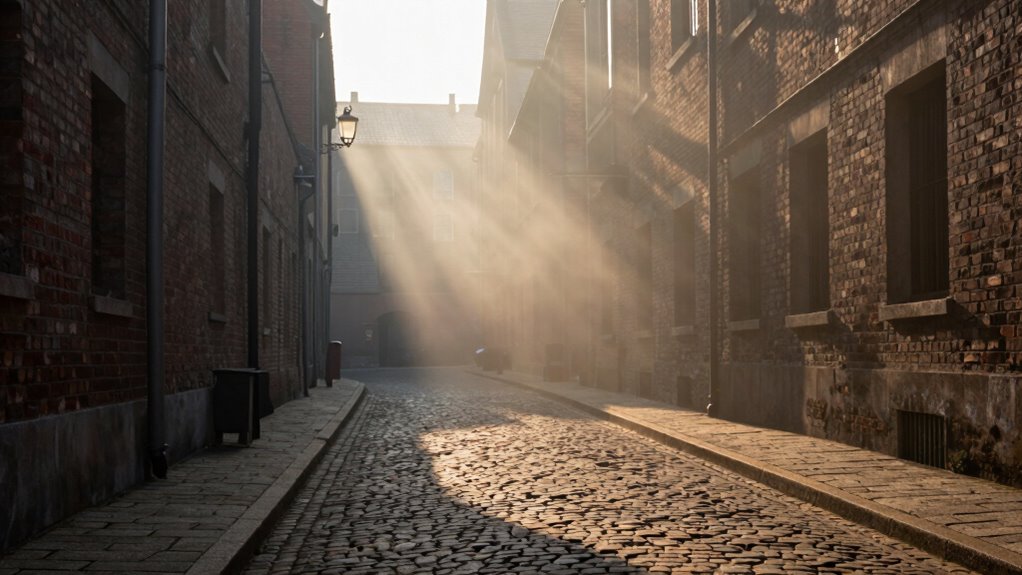
When it comes to how visible light beams travel through different atmospheric conditions, understanding the differences between haze and fog is essential. Both can affect lighting techniques used in photography, stage lighting, or event setups, but they do so in distinct ways. Haze consists of tiny particles suspended in the air, such as dust, pollution, or smoke, that scatter light over long distances. Fog, on the other hand, is made up of water droplets that create a dense, cloud-like atmosphere near the ground. Recognizing these differences helps you choose the right atmospheric effects for your desired lighting outcome.
If you want to create a subtle glow or accentuate beams of light, haze is your best choice. Because haze particles are much smaller than water droplets, they scatter light more evenly and over greater distances. This scattering enhances the visibility of beams, making them appear sharp and well-defined. When using lighting techniques with haze, you can achieve a dramatic, ethereal look that transforms your scene. It works especially well in theatrical productions, concerts, or photography where you want to highlight specific light paths without obscuring the background. Haze also offers a controllable atmosphere; you can adjust the density to fine-tune how much light is visible, giving you flexibility in creating atmospheric effects. Additionally, haze allows for better control over the light scattering, making it easier to achieve precise visual effects. Properly managing haze levels can also prevent the over-illumination of a scene, ensuring your lighting remains balanced and effective.
As an affiliate, we earn on qualifying purchases.
Frequently Asked Questions
How Does Haze Affect Visibility Compared to Fog?
Haze improves visibility compared to fog because it contains fewer atmospheric particles, allowing light to diffuse less and travel more freely. When you use haze, you’ll notice clearer sightlines and sharper light beams. Fog’s dense moisture particles scatter more light, reducing visibility considerably. So, if you want to enhance light diffusion and maintain good visibility, haze is the better choice over fog, which hampers your line of sight.
Can Haze Be Used Indoors for Light Effects?
Yes, you can use haze indoors to create a mesmerizing indoor ambiance and enhance artistic lighting. When you introduce haze, it disperses light beams, making them visible and adding depth to your space. It’s perfect for highlighting specific features or creating a dramatic atmosphere during performances or events. Just guarantee proper ventilation and use non-toxic haze fluids to keep the environment safe while achieving stunning visual effects.
What Safety Precautions Are Needed When Using Haze Machines?
When using haze machines, prioritize haze safety by guaranteeing proper ventilation and avoiding inhaling the haze directly. Always read and follow the manufacturer’s instructions, and regularly perform machine maintenance to prevent malfunctions. Keep the equipment away from heat sources and ensure it’s stable during operation. Use the lowest effective haze levels to minimize health risks, and consider providing protective masks for crew members to ensure everyone’s safety.
How Long Does Haze Typically Last Before Dissipating?
Haze typically lingers for about 30 minutes to an hour before dissipating, like a gentle fog settling into the air. When using haze, you should consider its environmental impact and health considerations, as prolonged presence can affect air quality and breathing. To minimize these effects, make certain of proper ventilation and use low-chemical haze solutions. Always monitor the room’s air and stay mindful of how long the haze remains to keep everyone safe.
Is Haze Suitable for Outdoor Events in All Weather Conditions?
Haze isn’t suitable for outdoor events in all weather conditions. If rain or high humidity occurs, haze particles quickly dissipate, reducing visibility of light beams. Strong winds can also disperse haze, making maintenance challenging. For outdoor events, you need to take into account outdoor weather before using haze. Proper haze maintenance involves monitoring weather forecasts and adjusting or removing haze machines as needed to ensure the best visual effects and safety.
Conclusion
Next time you want to illuminate your world with visible light beams, remember that haze is your loyal partner—like a gentle whisper guiding your light through a delicate dance. Fog, on the other hand, is a thick curtain hiding your vision, a barrier to clarity. Choose haze when you seek transparency and wonder, letting your beams pierce softly through the atmosphere. Sometimes, the right choice reveals more than just light—it discloses your true path.
Halloween Picks
halloween
As an affiliate, we earn on qualifying purchases.