
If you’re choosing between rear and front window projection, consider how each affects your visibility and installation. Rear projection offers brighter, clearer images during daytime and reduces external light interference, but it’s more complex and costly to set up. Front projection is easier and quicker to install, yet ambient sunlight can wash out images, unless equipped with anti-glare features. Want to discover which option best fits your needs? Keep exploring for more details that could change your perspective.

Get decor and gifts delivered free with Prime
- Fast, free delivery on millions of items
- Prime Video, Amazon Music and more included
- Member-only deals all year
Key Takeaways
- Rear projection offers better visibility and brightness during daytime due to minimized ambient light interference.
- Front projection is easier and less invasive to install, requiring less specialized equipment.
- Rear projection provides clearer images in bright conditions, while front projection images can be washed out by external light.
- Proper calibration enhances image quality for both systems, but rear projection typically requires more precise setup.
- External light significantly impacts front projection clarity, making rear projection preferable in high-light environments.
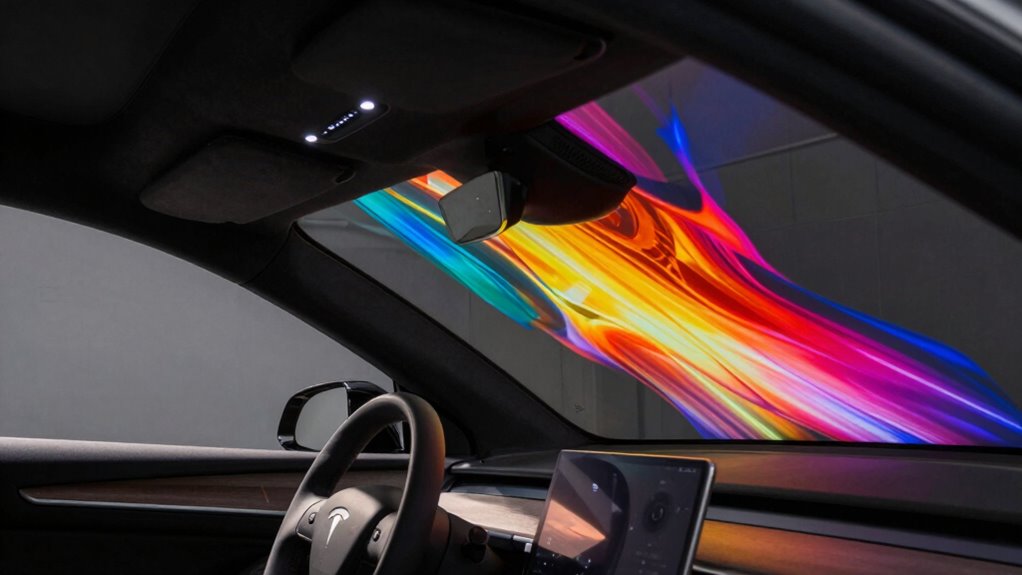
When choosing between rear and front window projection for your vehicle, understanding the key differences can help you make an informed decision. Both options offer unique benefits and challenges, especially when it comes to interior brightness and installation complexity. Your choice impacts not only the visual experience but also how easily you can set up and maintain the system.
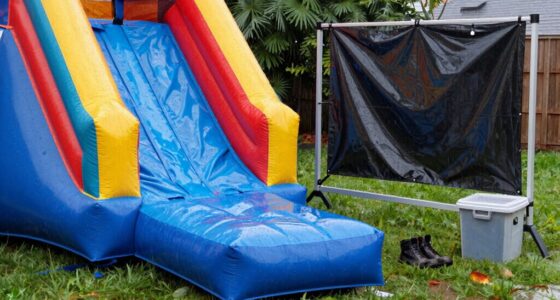
Rear window projection involves placing the display behind the glass, projecting images onto the inside surface for viewing from the outside. This setup typically offers better interior brightness because the projection can be optimized without interference from sunlight or external light sources. You’ll notice clearer, more vivid images even during daytime conditions. However, installing a rear projection system can be more complex. It requires precise alignment, specialized equipment, and often more invasive modifications to the vehicle’s interior. This complexity can lead to higher installation costs and longer setup times, especially if you’re customizing for the best image quality. Additionally, projection calibration plays a crucial role in ensuring optimal image clarity and alignment, which can add to setup time and cost.
Rear window projection offers brighter images but requires precise, complex installation.
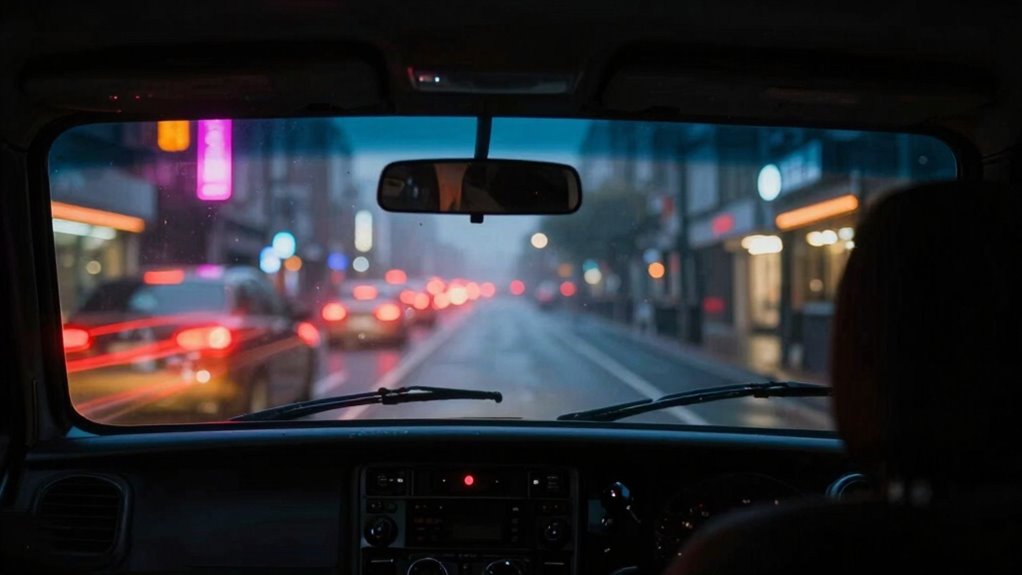
On the other hand, front window projection projects images directly onto the inside of the windshield, usually from a device mounted on the dashboard or near the rearview mirror. This method tends to be simpler to install, often involving less invasive setup and fewer components. You may find it easier to retrofit your vehicle without extensive modifications. However, interior brightness becomes a challenge with front projection. Ambient light, especially sunlight streaming through the windshield, can wash out the images, making them less clear or vibrant. This limitation means that front projection systems often need to be brighter or more powerful to compensate for external light interference, which could impact power consumption and device longevity. Additionally, advancements in projection technology are continuously improving image quality in various lighting conditions. Furthermore, selecting the appropriate projection setup can significantly influence the overall performance and user experience. To optimize visibility, some systems incorporate anti-glare coatings or other enhancements to mitigate external light effects.
rear window projection system for vehicles
As an affiliate, we earn on qualifying purchases.
As an affiliate, we earn on qualifying purchases.
Frequently Asked Questions
Which Projection Method Is More Durable for Outdoor Use?
For outdoor use, rear window projection tends to be more durable because it offers better outdoor resilience. It’s protected from weather elements like rain and wind, reducing damage risk. Additionally, the projection surface is usually shielded, which helps maintain image quality over time. You’ll find that rear projection setups require less frequent repairs, making them ideal if you’re seeking long-lasting projection durability and outdoor resilience.
How Does Ambient Lighting Affect Rear and Front Projection Clarity?
Ambient light notably impacts both rear and front projection clarity, but rear projection is more sensitive to bright surroundings. Excess ambient light washes out the image, reducing clarity and contrast, especially in outdoor settings. Front projection can also suffer but often allows for some adjustment of screen brightness or using higher lumens projectors. To optimize image clarity, control ambient light as much as possible, regardless of your projection method.
Can Rear Projection Screens Be Customized for Specific Spaces?
Yes, rear projection screens can be customized for specific spaces. You can choose from various material options like high-gain, matte, or flexible fabrics to suit your environment. Custom sizes are also available, allowing you to tailor the screen dimensions precisely to fit your space. This flexibility guarantees the best image quality and seamless integration, making rear projection a versatile choice for any room or setting.
What Are the Installation Costs Differences Between the Two?
You’ll find that rear projection often has higher installation costs due to its complexity, needing more space and specialized mounting. Front projection generally offers a simpler setup, reducing costs. The cost comparison depends on your space and equipment, but expect rear projection to require more investment in installation. Consider the installation complexity, as it can substantially impact your overall budget and setup time.
How Does Maintenance Vary Between Rear and Front Projection Systems?
Did you know rear projection screens last up to twice as long as front projection screens? Maintenance contrast mostly depends on screen material and projector placement. Rear projections often require less cleaning because the screen is protected from dust and fingerprints. In contrast, front projection screens are more exposed to environmental elements, necessitating frequent cleaning and adjustments. Choosing the right setup reduces ongoing upkeep and preserves image quality over time.
Conclusion
Choosing between rear and front window projection is like selecting the perfect brushstroke for your masterpiece; each option paints a different picture. Rear projection feels like a secret garden, hidden yet vibrant, while front projection is a grand stage, bold and in your face. Your choice transforms your space into a private oasis or a lively theater. Whichever path you pick, it’s your canvas—ready to turn your windows into portals of imagination and wonder.
Columbus Day / Indigenous Peoples' Day Picks
long weekend sales
As an affiliate, we earn on qualifying purchases.