To avoid alarms and irritation with indoor fog, you should regularly maintain your fog machine, cleaning it and checking for leaks. Use high-quality, low-odor fog fluids as recommended, and avoid overfilling to prevent lingering fog. Guarantee proper ventilation by opening windows, turning on exhaust fans, and directing airflow away from sensitive areas. Testing your setup beforehand helps ensure safety and effectiveness. Keep these tips in mind to create a safe, irritation-free environment—more tips are just a moment away.

Get decor and gifts delivered free — and shop member deals
- Fast, free delivery on millions of items
- Access to Prime Big Deal Days deals on October 6–7
- Prime Video, Amazon Music and more included
Key Takeaways
- Use high-quality, low-odor fog fluids designed for indoor environments to reduce irritation and false alarms.
- Ensure proper ventilation by opening windows, doors, and using exhaust fans to disperse fog effectively.
- Regularly maintain and clean fog machines to prevent residue buildup and malfunction-induced alarms.
- Test fog output in small areas beforehand to adjust volume and prevent excessive fog accumulation.
- Choose fog fluids with safer chemical compositions to minimize health risks and trigger alerts.
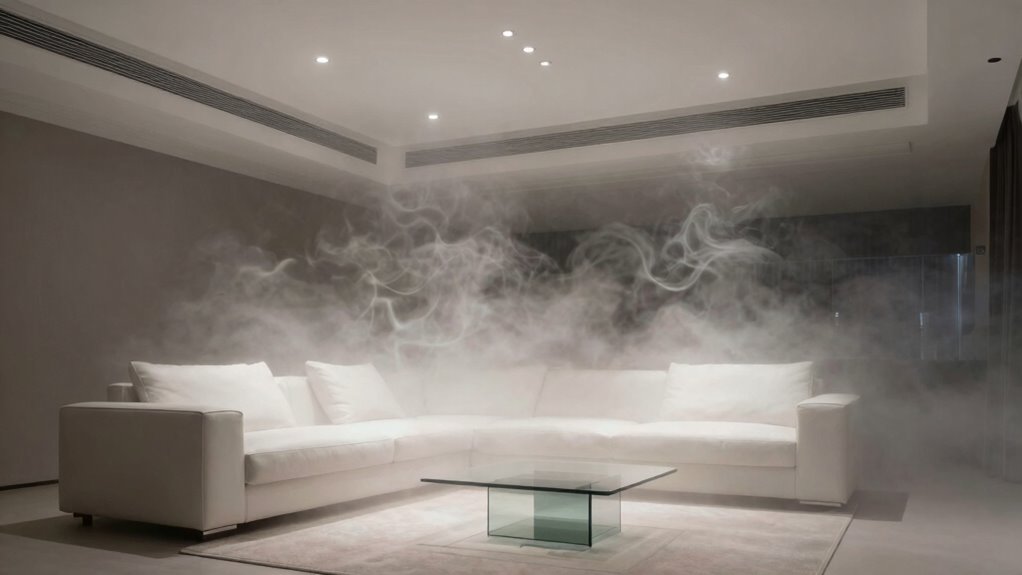
Have you ever considered the potential dangers of indoor fog machines? While they can create stunning effects for parties or events, improper use can lead to safety issues, including triggering alarms or causing irritation. To keep everyone safe and comfortable, it’s vital to understand how to manage fog safely indoors. One of the key steps is regular fog machine maintenance. You should clean your equipment regularly, removing any buildup of residue that could affect the machine’s operation or produce inconsistent fog. Check for leaks, make sure the fluid levels are appropriate, and replace parts as needed. Proper maintenance not only prolongs the lifespan of your fog machine but also minimizes the risk of malfunction that could lead to unexpected fog release or alarms being triggered. Additionally, staying informed about cryptocurrency news and market insights can help you be aware of emerging safety products or innovations in fog technology that enhance indoor safety. Being aware of chemical safety standards can also guide you in selecting the safest fog fluids for indoor use. Implementing these standards ensures you are using products that meet safety regulations, reducing potential health risks. Regularly inspecting your fog fluid for contamination or degradation can further ensure that only safe, high-quality fluids are used during operation.
Equally important is paying attention to ventilation techniques. When using a fog machine indoors, good ventilation is essential to disperse the fog evenly and prevent it from accumulating in concentrated pockets that might irritate your eyes or respiratory system. Before starting, open windows and doors, and turn on exhaust fans if available. Using fans strategically can help direct the fog away from sensitive areas like air vents or smoke detectors. Creating proper airflow not only helps with dispersal but also reduces the likelihood of triggering alarms caused by chemical buildup or lingering fog. If your space lacks proper ventilation, think about limiting the duration of fog output or decreasing the fog machine’s volume setting.
Another point to bear in mind is the type of fog fluid you use. Opt for high-quality, low-odor fluids designed specifically for indoor use. These are less likely to cause irritation or trigger alarms, especially smoke detectors that are sensitive to certain chemical compounds. Always follow the manufacturer’s instructions for the fog fluid and machine operation. Avoid overfilling the tank, as excess fluid can lead to uneven fog production and increased risk of lingering fog that irritates eyes and lungs. Additionally, test your setup in a small area before a large event to observe how the fog disperses and confirm your ventilation techniques are effective. Paying attention to chemical composition can further help you select safer fog fluids that minimize health risks. Being aware of equipment specifications can also help you choose models that produce less chemical emissions and are suitable for indoor use.
Ultimately, maintaining your fog machine properly and implementing effective ventilation techniques can help you enjoy the visual effects without risking alarms or irritation. Regular upkeep and thoughtful airflow management keep the fog at safe, comfortable levels, making your indoor event both spectacular and safe. Properly selecting fog fluid quality and adhering to safety standards is essential to ensure a safe indoor environment.
Frequently Asked Questions
Can Indoor Fog Affect People With Respiratory Conditions?
Indoor fog can indeed affect people with respiratory conditions, as it may contain respiratory triggers that worsen symptoms. If you’re sensitive, you might experience allergic reactions like coughing, wheezing, or shortness of breath. It’s best to avoid or minimize exposure, especially if you have asthma or allergies. Keep windows open, use air purifiers, and steer clear of dense fog to protect your respiratory health.
How Long Should I Ventilate After Using Indoor Fog?
Think of it as a modern-day knight returning from battle; you need to give your space time to recover. You should ventilate for at least 15-30 minutes after using indoor fog, depending on the fog duration and room size. Proper ventilation allows lingering particles to dissipate, reducing irritation and alarms. Keep windows open and use fans to speed up the process, ensuring your indoor air stays safe and fresh.
Are There Safe Alternatives to Indoor Fog for Ambiance?
Yes, you can create a safe, DIY ambiance with scent alternatives like essential oil diffusers, candles, or simmering herbs and spices. These options offer pleasant aromas without the risks associated with indoor fog. By choosing natural scents, you avoid irritating your eyes and lungs, and you won’t trigger alarms. Plus, they’re easy to customize for a cozy or festive atmosphere, making your space inviting and safe.
What Are the Signs of Indoor Fog Irritation?
You might notice fog particle health concerns if you experience irritation symptoms like sneezing, coughing, or itchy eyes. These signs indicate that fog particles could be affecting your respiratory system or skin. If you feel any discomfort, it’s best to reduce exposure and ventilate the area. Pay attention to irritation symptoms, as they’re key indicators that indoor fog might be causing health issues for you.
Is Indoor Fog Safe Around Pets and Children?
Indoor fog isn’t inherently safe around pets and children. You need to take into account pet safety and child exposure, as inhaling fog can cause irritation or health issues. While it may seem harmless, the chemicals and particles in fog can affect sensitive respiratory systems. Always ensure proper ventilation, keep fog machines out of reach, and monitor your pets and kids closely to prevent accidental inhalation and potential health risks.
Conclusion
Think of indoor fog as a gentle but mischievous ghost—if you don’t handle it carefully, it might spook your senses or trigger alarms. Like a skilled ghost hunter, you can tame this spirit by controlling its environment, ensuring proper ventilation, and avoiding overuse. When you respect its presence and set boundaries, you keep your indoor air safe and clear, turning what could be a haunting nuisance into a harmless, invisible friend that won’t bother your peace of mind.
Fall Picks
fall essentials
As an affiliate, we earn on qualifying purchases.