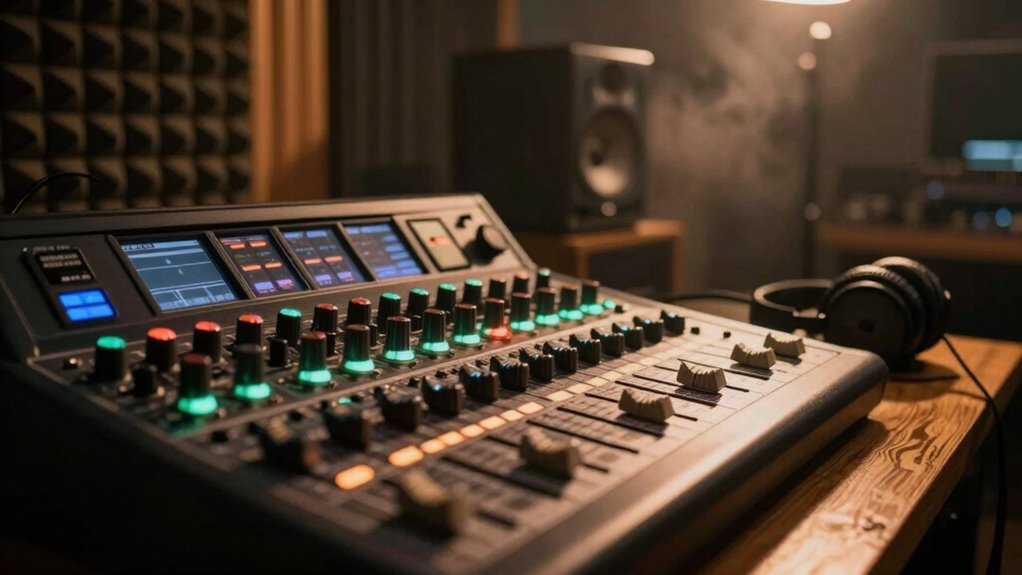
Soundscape design is an art that transforms ordinary spaces into cinematic experiences by carefully crafting immersive audio environments. You select and layer ambient sounds like water or city hustle to evoke specific emotions and support the atmosphere. Balancing natural and subtle sound elements creates a seamless, lively vibe that guides feelings and behavior. If you want to discover how to harness this audio trick to enhance any space, there’s more to explore ahead.

Get decor and gifts delivered free — and shop member deals
- Fast, free delivery on millions of items
- Access to Prime Big Deal Days deals on October 6–7
- Prime Video, Amazon Music and more included
Key Takeaways
- Use layered ambient sounds like water or rustling leaves to create immersive, tranquil environments.
- Incorporate city noise layers to evoke vibrancy and energy in urban soundscapes.
- Fine-tune sound levels to balance natural authenticity with emotional resonance.
- Focus on seamless integration of sounds to enhance atmosphere without distraction.
- Apply technical precision and emotional awareness to craft cinematic, emotionally compelling sound environments.
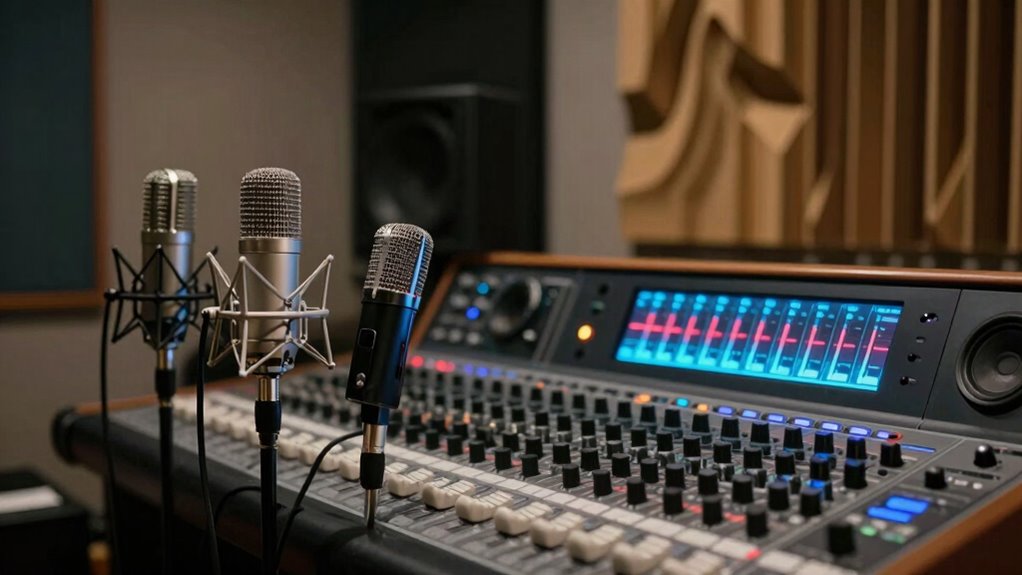
Imagine walking into a space where sounds naturally enhance your experience rather than distract from it—that’s the essence of soundscape design. It’s about crafting an auditory environment that feels seamless, immersive, and emotionally compelling. When done right, soundscape design uses ambient layering to create depth and richness, making the space feel alive and intentional. You might hear a gentle hum of wind, distant footsteps, or subtle nature sounds, all blending into a cohesive whole. These layers aren’t random; they’re carefully chosen and positioned to evoke specific feelings and guide your emotional response. That’s where emotional resonance comes into play. The right ambient layers can make you feel calm, energized, or introspective without you consciously noticing each element. It’s a subtle art—using sound to communicate and amplify the atmosphere.
In soundscape design, you’re not just adding sounds for the sake of filling space. Instead, you’re intentionally selecting and mixing ambient elements that support the environment’s intent. For example, in a tranquil spa setting, soft water sounds combined with rustling leaves can evoke serenity and relaxation. In a bustling urban plaza, layered city sounds—distant traffic, chatter, footsteps—can create vibrancy and connectivity. The goal is to make these sounds feel natural and effortless, so they become part of the space rather than an intrusive overlay. This requires a keen sense of balance: too much noise, and the soundscape becomes overwhelming; too little, and it feels empty or dull. By fine-tuning the ambient layering, you craft a subtle but powerful emotional resonance that influences how people experience the space. You might notice yourself feeling more at ease or more alert, depending on the sound choices. Additionally, understanding biodiversity and the importance of preserving natural soundscapes can inform your approach, helping you create environments that respect and reflect the local ecology. Recognizing the role of natural soundscapes can deepen your appreciation for how sound influences our environment and well-being. Incorporating environmental context into your soundscape design ensures that the sounds you select are authentic and meaningful to the setting. It’s also important to consider how sound perception varies among individuals, which can impact the emotional response to a given environment. An awareness of soundscapes as a holistic element can help you craft more cohesive and impactful auditory environments. Ultimately, soundscape design is about creating a sonic environment that feels intentional and emotionally aligned with its purpose. When you master ambient layering, you build a foundation that enhances the space’s character and emotional impact. It’s like composing a soundtrack for a scene—every sound, every layer, plays a part in shaping how people feel and behave. Done well, your soundscape becomes invisible but deeply felt, transforming ordinary spaces into cinematic experiences. It’s a skill that combines technical precision with a nuanced understanding of human emotion, making every environment not just seen but truly felt through sound.
Frequently Asked Questions
How Do Soundscapes Influence Emotional Responses?
Soundscapes profoundly influence your emotional responses by creating emotional resonance and enhancing listener engagement. When you experience carefully crafted sounds, they evoke feelings like calm, tension, or joy, aligning with the scene’s mood. This emotional connection draws you deeper into the story or environment, making the experience more immersive. By manipulating elements like tone, rhythm, and atmosphere, sound designers shape how you emotionally react to and engage with the soundscape.
What Tools Are Essential for Soundscape Design?
Ever wonder what tools you need for soundscape design? You’ll want a good digital audio workstation (DAW) to handle sound layering and editing. Use equalizers for frequency balancing to guarantee each element blends smoothly. Field recorders help capture authentic sounds, while headphones or monitors let you critically listen. These tools empower you to craft immersive, emotionally impactful soundscapes that truly resonate with your audience.
Can Soundscapes Be Customized for Individual Experiences?
Yes, soundscapes can be customized for your individual experiences. By using personalization techniques, you can tailor the audio environment to match your preferences or mood. Sensory integration plays a key role here, allowing you to blend sounds that evoke specific feelings or memories. This customization helps create a more immersive and meaningful experience, making it feel uniquely yours and enhancing your overall connection to the soundscape.
How Does Ambient Noise Affect Soundscape Effectiveness?
Ambient noise acts like a delicate brushstroke, shaping your perception of a soundscape. When background ambiance is balanced, it enhances immersion and emotional depth. But if noise pollution intrudes, it disrupts clarity, making the scene feel chaotic or distant. You notice the subtle differences—how natural sounds blend seamlessly or how intrusive sounds pull you out of the moment—ultimately affecting the effectiveness and cinematic feel of your experience.
What Are Common Mistakes in Soundscape Creation?
You often make mistakes in soundscape creation by neglecting audio masking, which can cause sounds to clash or become unclear. Failing to use effective spatial layering results in a flat, unimmersive experience. To improve, guarantee sounds are balanced and layered thoughtfully, creating depth and clarity. Avoid overloading the mix with unnecessary noise, and always test your soundscape in different environments to maintain realism and cinematic quality.
Conclusion
Now that you understand the art of soundscape design, you’re ready to craft immersive environments that feel cinematic. Remember, it’s all about layering sounds like a composer orchestrating a symphony—think of it as your own audio time machine, transporting listeners to another world. With each carefully chosen element, you’ve got the power to turn any space into a vibrant scene straight out of a blockbuster. So go ahead, release your inner Spielberg—your soundscape adventure awaits!
Fall Picks
fall essentials
As an affiliate, we earn on qualifying purchases.