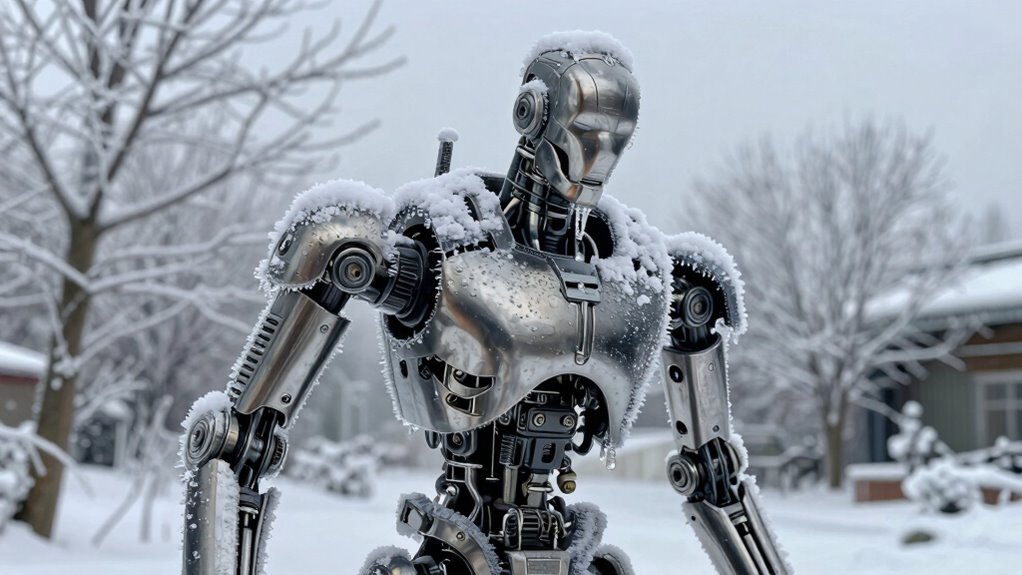

Freezing temperatures can cause your animatronics to stiffen, seize up, or even malfunction due to moisture buildup and electrical issues. To prep, you should insulate outdoor parts, use heated covers or enclosures, and control indoor humidity to prevent condensation. Planning ahead and monitoring environmental conditions helps avoid costly damage. Keep in mind, understanding more about winter protection tactics can keep your animatronics functioning smoothly through the cold.

Get decor and gifts delivered free — and shop member deals
- Fast, free delivery on millions of items
- Access to Prime Big Deal Days deals on October 6–7
- Prime Video, Amazon Music and more included
Key Takeaways
- Freezing temperatures cause mechanical stiffening, electrical malfunctions, and moisture damage in animatronics.
- Indoor climate control helps prevent moisture buildup and electrical issues during winter.
- Use heated enclosures and protective covers to shield outdoor animatronics from cold and moisture.
- Schedule maintenance before cold spells to identify vulnerabilities and ensure proper functioning.
- Monitoring temperature and humidity levels is essential for early detection and prolonging equipment lifespan.
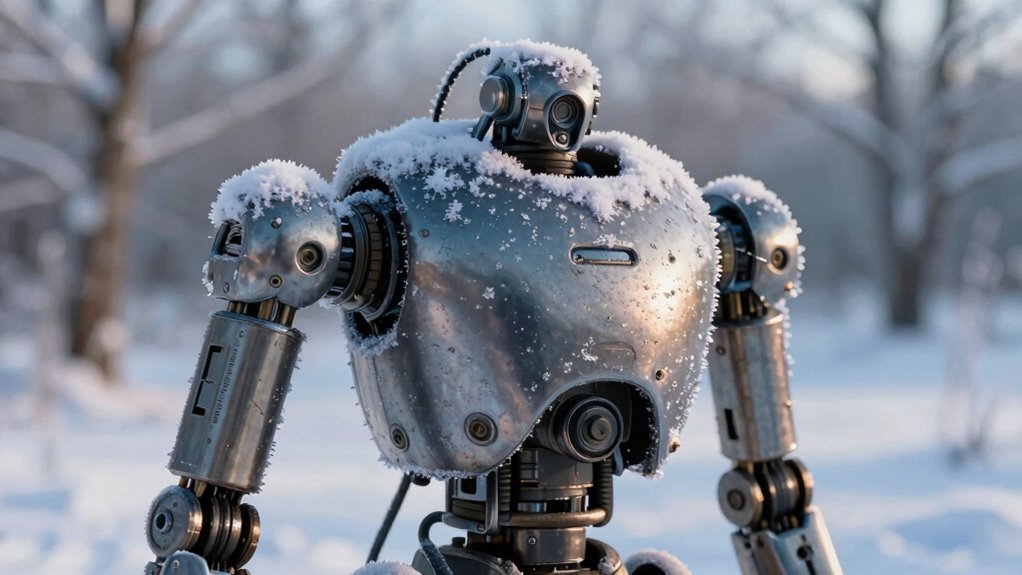
When it gets cold outside, maintaining the performance of animatronics becomes a significant challenge. Freezing temperatures can cause a range of issues, from mechanical stiffening to electrical malfunctions, which can compromise your displays. To keep your animatronics functioning smoothly, you need to understand how cold weather affects them and take proactive steps to prepare. Indoor effects are often overlooked but play a critical role in protecting your equipment. Cold conditions can cause condensation when moving from outdoor to indoor environments, leading to moisture-related damage. By controlling indoor effects, like using humidifiers or dehumidifiers, you can stabilize the environment, reducing the risk of corrosion and electrical shorts. Proper indoor climate control is essential to preserve the longevity of your animatronics and ensure they operate reliably during colder months. Additionally, monitoring environmental conditions helps in early detection of potential issues, preventing costly repairs. Recognizing the importance of climate control solutions can significantly improve your equipment’s resilience to winter conditions. Implementing these solutions can also help prevent moisture-related damage caused by fluctuating indoor humidity levels. To further prepare, consider using heated enclosures or protective covers for outdoor components. These barriers help shield your animatronics from direct exposure to freezing temps and reduce the impact of rapid temperature changes. If you have outdoor displays, plan to bring them indoors during the coldest periods or install heating elements designed specifically for electronic equipment. When possible, schedule maintenance sessions before the cold season hits its peak, so you can identify and fix vulnerabilities early. Regularly monitor temperature and humidity levels, and invest in climate control solutions that maintain stable conditions. Being aware of environmental effects and their impact on electronics can significantly extend the lifespan of your equipment. Incorporating preventative maintenance strategies into your seasonal preparations further enhances your setup’s durability. Understanding temperature fluctuations and their effects is crucial for adapting your maintenance routines accordingly. By adopting these practices, you safeguard your investment, keep your animatronics performing at their best, and avoid costly repairs caused by winter weather.
outdoor animatronic weatherproof cover
As an affiliate, we earn on qualifying purchases.
As an affiliate, we earn on qualifying purchases.
Frequently Asked Questions
How Do Freezing Temperatures Affect Animatronic Motion Sensors?
Freezing temperatures can cause animatronic motion sensors to become less accurate or malfunction. You should regularly check sensor calibration, as cold weather might affect sensor responsiveness. Protect your sensors with waterproof enclosures to prevent moisture damage from snow or ice. Ensuring proper insulation and safeguarding electrical connections also helps maintain sensor functionality, so your animatronics perform smoothly even in freezing conditions.
What Materials Are Best for Cold Weather Animatronics?
You should choose materials with high durability, like stainless steel or heavy-duty plastics, for cold weather animatronics. These materials withstand freezing temps without cracking or degrading. Incorporate insulation techniques, such as foam padding or thermal wraps, to protect internal components from extreme cold. This combination guarantees your animatronics stay functional, reducing the risk of damage or malfunction caused by low temperatures. Proper material selection and insulation are key to winter performance.
Can Heating Elements Prevent Freezing Damage?
Think of your animatronics as a delicate garden in winter’s grip. Heating elements act like a warm sun, preventing freezing damage by maintaining consistent temperatures. Use insulation techniques to trap this warmth, creating a protected microclimate. This combination guarantees your animatronics stay functional and safe, even in freezing temps, just as a greenhouse shields plants from harsh cold, keeping everything alive and thriving despite the winter’s chill.
How Often Should Cold Weather Animatronics Be Maintained?
You should maintain your cold weather animatronics at least once a season, ideally before storage and again before use. During seasonal storage, guarantee they’re properly cleaned and protected from moisture. Check that the power source remains stable, and inspect all electrical components for damage. Regular maintenance helps prevent freezing damage, keeps your animatronics functioning smoothly, and extends their lifespan despite the harsh winter conditions.
Are Special Lubricants Needed in Freezing Conditions?
Yes, in freezing conditions, you need special lubricants with appropriate viscosity. These lubricants prevent thickening or solidification caused by low temperatures, ensuring smooth motor operation. Additionally, consider how material expansion impacts the lubrication; some lubricants accommodate expansion better, reducing wear and tear. Using the right lubricant helps avoid motor stalling, gear jams, or damage, so always choose products designed specifically for cold weather animatronics to maintain peak function.
Conclusion
As winter’s chill settles in, imagine your animatronics standing resilient against icy winds, their mechanisms humming softly despite the frost. With proper prep, you’ll keep their gears turning smoothly, even when temperatures dip below freezing. Think of each step as wrapping them in a warm, protective blanket—ready to face the cold. When you’ve taken the right precautions, you’ll see your creations come alive, vibrant and reliable, no matter how harsh the weather gets.
Fall Picks
fall essentials
As an affiliate, we earn on qualifying purchases.