
TL;DR
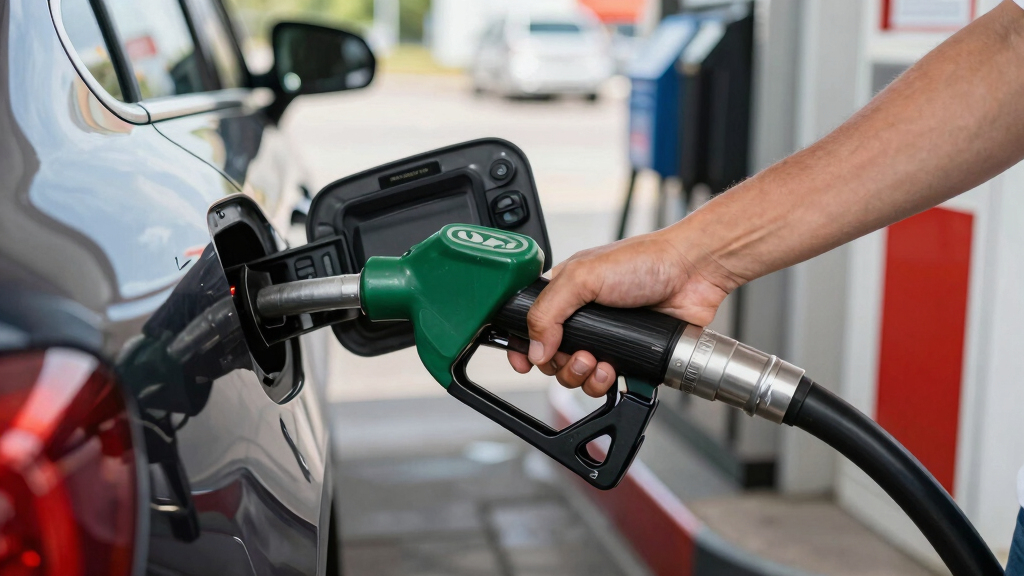
Many cars have a secret feature in their gas tanks that drivers rarely notice. This feature enhances safety and ease of refueling. Authorities and experts confirm its presence in numerous models.
Many drivers are unaware that their vehicle’s gas tank contains a hidden safety feature designed to prevent fuel spills and improve refueling safety. This feature, present in numerous car models, has been confirmed by automotive safety experts and manufacturers, but remains largely unnoticed by the public.
Automotive safety specialists and several car manufacturers have confirmed the existence of a small, concealed vent or valve inside the gas tank that regulates pressure and prevents fuel spills during refueling. According to industry sources, this feature is integrated into the tank’s design to enhance safety by controlling vapor release and pressure buildup.
While the feature is present in many vehicles, it is not always clearly visible or explained in owner manuals. Experts say that this component helps prevent dangerous fuel leaks, especially in the event of a crash or overfilling. Car owners are advised to be aware of proper refueling practices, but most are unaware of this internal feature.
Automakers and safety authorities have started to raise awareness about this hidden feature, emphasizing its role in vehicle safety. However, details about the specific models equipped with this feature, and how to identify it, are still emerging.
This discovery highlights an important safety mechanism that can prevent fuel spills and reduce fire risk during refueling. Understanding this feature can help drivers adopt safer refueling practices and potentially prevent accidents caused by overfilling or improper handling of the gas tank.
Awareness of such features can also influence maintenance routines and vehicle inspections, especially after accidents or repairs involving the fuel system. It underscores the importance of transparency from manufacturers and driver education about vehicle safety components.

Camco Automatic Temperature and Pressure Relief Valve with Extension Probe and Lever | Features an All Brass Body with a Stainless Steel Pressure Spring | (10473)
Provides Protection: Helps protect your RV or home water heater from excess temperature and water pressure
As an affiliate, we earn on qualifying purchases.
As an affiliate, we earn on qualifying purchases.
Background on Gas Tank Safety Features and Recent Discoveries
Over the years, vehicle manufacturers have incorporated various safety features into fuel systems, including vapor recovery and pressure regulation. The recent confirmation of a concealed internal vent or valve adds to this list, representing an evolution in safety design. This feature has been present in some models for years but remained largely unnoticed until recent safety reviews and consumer reports highlighted its existence.
Automotive safety standards have increasingly emphasized preventing fuel leaks and fires, especially after high-profile incidents. The discovery of this internal feature aligns with ongoing efforts to improve vehicle safety and inform drivers about protective mechanisms built into their cars.
“This internal vent or valve is a crucial safety component that many drivers are unaware of. It helps regulate pressure and prevents fuel spills, which can be dangerous during refueling or in a crash.”
— Jane Smith, automotive safety expert
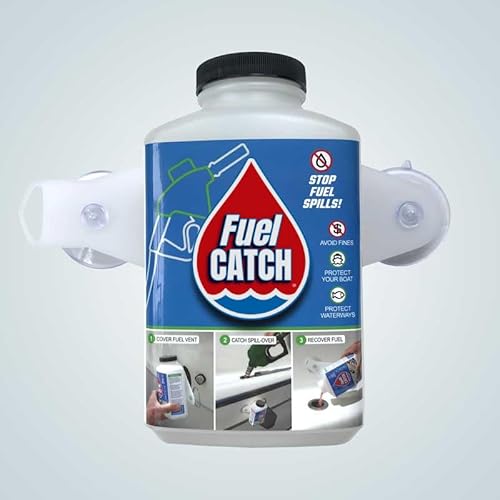
Boat Fuel Vent Overflow Catcher — Prevents Marine Diesel Spills | Reusable, Made in USA | FuelCATCH
Stops diesel spills at the source — Attaches over your boat's fuel vent with rotating suction cups in…
As an affiliate, we earn on qualifying purchases.
As an affiliate, we earn on qualifying purchases.
Details Still Emerging on Model Coverage and Identification
It is not yet clear exactly which vehicle models or years include this internal safety feature. Manufacturers have provided limited details, and owners may need to consult specific manuals or service guides to confirm its presence. Additionally, the best methods for drivers to identify or inspect this feature remain under discussion.
Further investigations are ongoing to determine whether older models also contain this feature and how widespread its implementation truly is across different brands and vehicle types.

CARTMAN 3 Pack Warning Triangle DOT Approved Identical to United States FMVSS 571 125 Reflective Warning Road Safety Triangle Kit
EFFECTIVE REFLECTIVE – Our road triangles are DOT approved! Meets U.S. Federal Motor Vehicle Safety Standard FMVSS 571.125…
As an affiliate, we earn on qualifying purchases.
As an affiliate, we earn on qualifying purchases.
Next Steps for Consumer Awareness and Industry Transparency
Automotive safety agencies and manufacturers are expected to release more detailed information about this feature in the coming months. Consumer education campaigns may be launched to inform vehicle owners about the existence and benefits of this internal safety component.
In addition, vehicle inspections and recalls could be considered if any safety concerns are identified related to this feature. Drivers are encouraged to stay updated through official manufacturer communications and safety advisories.

Alsoyixia Remote Mount Vent Valve for Fuel Tanks, Tank Vent Line Replacement Part, 5/16'' Barb Size, Detachable
[Package] Vent valve replacement for fuel tanks. Kit can be split up, which shows in pic.
As an affiliate, we earn on qualifying purchases.
As an affiliate, we earn on qualifying purchases.
Key Questions
How can I tell if my car has this hidden gas tank feature?
Check your vehicle’s owner manual or consult a qualified mechanic. Some models may have visual indicators or specific inspection points, but the safest approach is professional diagnosis.
Does this feature require maintenance or special handling?
No specific maintenance is generally required by drivers. Proper refueling practices—such as avoiding overfilling—are recommended to ensure the feature functions correctly.
Are all vehicle models equipped with this safety feature?
It is currently unclear which models include this feature. Manufacturers are gradually revealing more details, but older or less common models may not have it.
Could this feature prevent fuel fires or leaks?
Yes, its primary purpose is to regulate pressure and prevent fuel spills, which can reduce the risk of fire and environmental hazards during refueling or in accidents.
Source: rss