
TL;DR

Get decor and gifts delivered free with Prime
- Fast, free delivery on millions of items
- Prime Video, Amazon Music and more included
- Member-only deals all year
Toad lilies are shade-loving perennials that bloom in late summer and fall, when many other garden perennials have finished flowering. The source report recommends choosing varieties by USDA hardiness zone and providing dappled light, consistently moist but well-drained soil, and protection from afternoon sun.
A Veranda gardening report describes toad lilies as a choice for gardeners seeking late-summer and fall flowers in shade, with guidance on variety selection, planting and care. The plants’ speckled blooms appear when many other perennials have finished flowering, but their needs for steady moisture and protection from afternoon sun make site selection important.
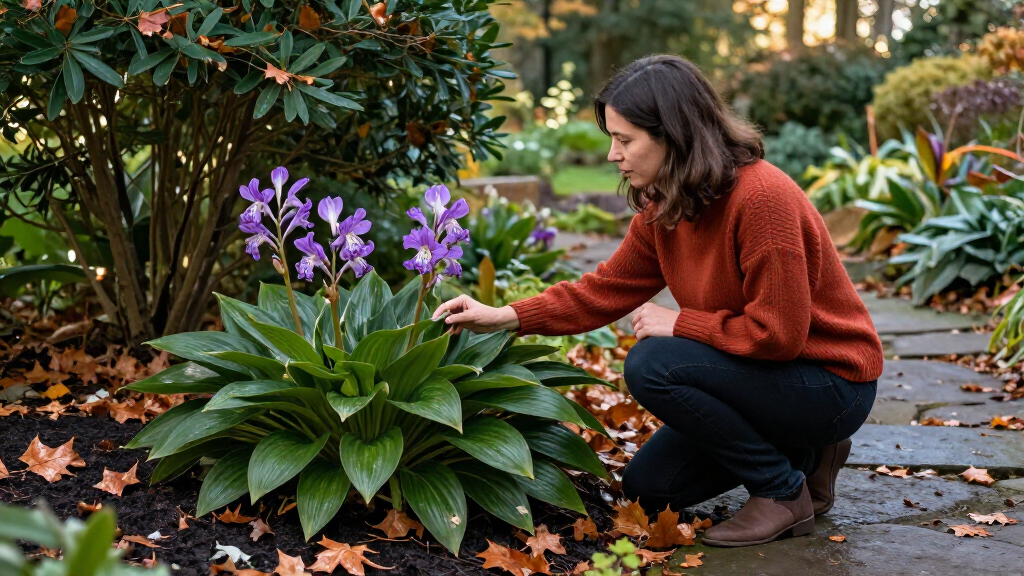
Toad lilies are members of the genus Tricyrtis, native across Asia. Their small, star-shaped flowers are commonly speckled in shades of pink, purple and white; small bumps at the flower bases are nectaries. The report says the plants typically bloom in late summer and continue through fall.
Most varieties are described as hardy in USDA zones 5 to 9, while some can survive in zone 4 once established. Chicago Botanic Garden plant breeder Justin Lombardoni recommends T. hirta and T. latifolia for colder climates, and T. formosana, T. lasiocarpa and T. macrantha for warmer ones. He cautions that some varieties may struggle in zone 9 if exposed to excessive sunlight.
The report advises planting in spring or fall when temperatures are at or below 75°F, in dappled shade or partial shade. Plants should be spaced 18 to 24 inches apart in moist, well-draining soil enriched with compost or other organic matter. Water when the top inch of soil dries; during establishment or hot weather, Lombardoni recommends watering once or twice weekly, adjusted for site and soil conditions. A balanced, slow-release fertilizer in spring is an option if compost alone is not enough.
Late Flowers for Shady Beds
Toad lilies offer gardeners a way to extend flowering in shady areas into late summer and fall, rather than relying only on plants that bloom earlier in the season. Their timing and spotted flowers can add visual interest as other perennials fade, according to the report.
The advice is also practical for gardeners deciding whether the plant fits their site: hardiness zone, light and drainage all affect its prospects. Toad lilies can be planted with shade-tolerant companions such as hostas and ferns or used as loose borders along walkways and garden beds. Their preference for moist soil does not mean they should sit in waterlogged ground, since poor drainage and overwatering can cause rot.
Popular right now

Dyson Cool AM07 Bladeless Tower Fan, Iron/Blue

Ninja DualBrew Pro Specialty Coffee Maker, Black, CFP301

LG 75-Inch QNED73B Mini LED 4K Smart TV (2026)
As an affiliate, we earn on qualifying purchases.
Choosing a Variety and Site
The report links the plants’ garden requirements to their natural habitat: toad lilies commonly grow at woodland edges and near stream banks, where they receive filtered light and grow in moist, well-draining soil. In a home garden, morning light is generally acceptable, but the report warns that direct afternoon sun can burn the plants.
Routine maintenance is limited. Lombardoni says toad lilies need an annual cutback of dead growth in late fall or early spring, using clean pruners to cut spent stems near the base. Established plants can be divided after about three years, preferably in spring; the source cautions that fall division can leave roots insufficient time to recover before frost. A layer of compost, mulch or straw can help protect roots over winter.
“One of the best things about toad lilies is that they have subtle but interesting flowers that come in a wide array of colors and spotting patterns.”
— Justin Lombardoni, plant breeder at the Chicago Botanic Garden
Conditions That Affect Success
The source does not provide a publication date, identify a particular garden or region where the advice was tested, or specify how reliably each variety performs across every part of its stated hardiness range. It also notes that warmth alone does not determine suitability: sun exposure and local conditions can stress some varieties, including in zone 9.
Watering frequency is not a fixed prescription. The report says to adjust it for soil and site conditions, and recommends watering when the upper inch of soil is dry. It identifies yellowing or wilting leaves as possible early signs of overwatering and warns that poorly drained or overly wet soil can lead to crown or root rot. Snails and slugs may feed on the foliage; the supplied source excerpt does not include its full advice on managing them.
Planting and Seasonal Care
Gardeners considering toad lilies can first check their USDA hardiness zone and choose a variety suited to their climate, then identify a shaded spot with reliable drainage. Plant in spring or fall under the temperature guidance in the report, keep the soil consistently moist without saturating it, and watch for signs of rot or leaf damage.
Over the coming seasons, established plants can be cut back annually and divided in spring after roughly three years. The report offers general horticultural guidance rather than a forecast or announcement of a new cultivar; outcomes will depend on local conditions and the variety chosen.
Key Questions
When do toad lilies bloom?
They generally flower in late summer and through fall, according to the report.
How much sun do toad lilies need?
They prefer dappled light or partial shade. The report says morning light can be suitable, while afternoon sun may burn the plants.
How often should toad lilies be watered?
Water when the top inch of soil is dry, keeping the soil moist but not soggy. During establishment or hot weather, Lombardoni suggests once or twice a week depending on site and soil conditions.
Can toad lilies grow in cold climates?
Most are described as hardy in zones 5 to 9, and some can survive zone 4 after becoming established. The report recommends T. hirta and T. latifolia for colder climates.
What problems should gardeners watch for?
Check for yellowing or wilting leaves, which may indicate overwatering, and for soft stems or damaged roots associated with crown or root rot. Snails and slugs can also feed on the foliage.
Source: rss