
TL;DR

Get decor and gifts delivered free with Prime
- Fast, free delivery on millions of items
- Prime Video, Amazon Music and more included
- Member-only deals all year
An Hunker report advises against October pruning for 11 shrubs, including lilac, forsythia, hydrangea and viburnum. Some set next year’s flower buds on older growth; others may put out tender growth vulnerable to cold after pruning. The report recommends checking each shrub’s flowering cycle and pruning needs rather than treating the whole garden alike.
Hunker’s October gardening report advises leaving 11 shrubs unpruned during fall cleanup, warning that cutting them back can remove next spring’s flower buds or encourage growth vulnerable to winter cold. The list includes bigleaf hydrangea, camellia, butterfly bush and viburnum, though the recommended timing differs by plant.
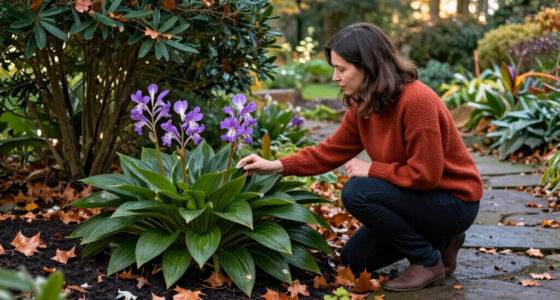
The report’s main distinction is between shrubs that flower on old wood—growth produced in a previous season—and those that flower on new growth. For old-wood bloomers, an October cut can remove buds already forming for spring. The report names bigleaf hydrangea, camellia, flowering almond, fringe tree, weigela, beauty bush and viburnum in this category, along with lilac, forsythia and rhododendron in its introductory discussion.
Other shrubs may be vulnerable for a different reason. Hunker says fall pruning of butterfly bush, which blooms on new growth, can leave it more exposed to winter cold; pruning cotoneaster in October may prompt new growth that frost can damage. For those plants, the report suggests waiting until spring or late winter, depending on the shrub.
Recommendations are not identical across the list. The article says to prune camellia after its late-winter or early-spring flowers fade, and to prune fringe tree after blooming, focusing on damaged stems. It advises cutting beauty bush after flowering, limiting removal to no more than 30% and doing so by mid-summer. For weigela, it recommends waiting until early spring to remove branches damaged over winter.
October Cuts Can Cost Spring Blooms
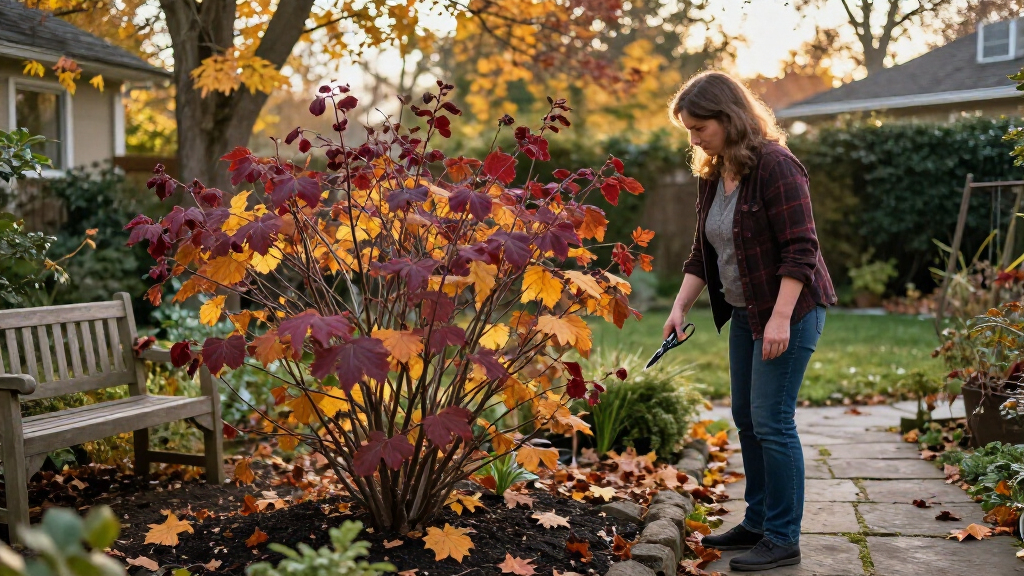
The guidance matters because fall yard cleanup often encourages gardeners to prune shrubs at the same time they clear leaves and dead plant material. But one calendar rule does not fit every shrub: pruning at the wrong stage can remove the wood carrying next season’s buds, even when the plant otherwise appears ready for a trim.
For shrubs that bloom on new growth, the concern can be different. Late-season pruning may prompt tender shoots, or leave a plant less protected during cold weather, according to the report. Waiting until the plant’s recommended window can help preserve flowers and healthy growth, while avoiding unnecessary cuts to slow-growing shrubs.
As an affiliate, we earn on qualifying purchases.
Flowering Cycles Set Pruning Time
The report frames October as a time when gardeners may prepare beds for winter, but cautions that pruning decisions should depend on when a shrub flowers and where its buds form. Old-wood shrubs typically need their pruning after flowering, not in the months before the next bloom. That timing lets gardeners remove unwanted growth after the season’s flowers have passed.
For bigleaf hydrangea, Hunker recommends pruning in summer after flowering and refers to a one-third pruning rule, meaning no more than one-third of the shrub is removed in a year. The article says butterfly bush should generally be cut back after new leaves begin forming the following spring. It also notes that butterfly bush is considered invasive in some areas, so local planting guidance may matter to gardeners deciding whether to keep it.
““The list of plants to avoid pruning in October is a long one.””
— Hunker report
Local Conditions May Change Advice
The report provides broad timing guidance, not a plant-by-plant assessment for every climate, cultivar or garden condition. It does not specify a publication date, give regional schedules for all 11 shrubs, or cite independent horticultural sources in the supplied material. Actual pruning needs may vary with local weather, plant health and the variety being grown.
The supplied article excerpt ends partway through its discussion of viburnum, so its full advice for that shrub and any additional caveats are not available here. The guidance should not be read as a claim that every October cut will eliminate blooms or cause winter injury; those are risks described by the report, not guaranteed outcomes.
Check Each Shrub Before Cutting
Before pruning, gardeners can identify the shrub and check whether it flowers on old or new growth, then compare the recommended timing with local extension or nursery guidance. For the plants covered in the report, the general advice is to postpone October pruning and revisit the shrub after flowering or when spring growth begins, as appropriate.
Any broader claim about the best timing across regions would require more detail on local climate and varieties. Until then, the report’s practical takeaway is to avoid a blanket October trim and make plant-specific decisions.
Key Questions
Which shrubs does the report say not to prune in October?
The supplied report names bigleaf hydrangea, camellia, butterfly bush, flowering almond, fringe tree, weigela, cotoneaster, beauty bush and viburnum. Its introduction also names lilac, forsythia and rhododendron as examples of shrubs that bloom on old wood. The headline refers to 11 shrubs, but the supplied excerpt does not show a complete, consistently enumerated list.
Why avoid pruning shrubs that flower on old wood?
They may already have formed buds for next season on older growth. An October cut can remove some of those buds, which may reduce the shrub’s spring flowering.
Is butterfly bush also an old-wood bloomer?
No. The report says butterfly bush flowers on new growth. Its stated reason to wait is that fall pruning can make the shrub more vulnerable to winter cold, not that the cut necessarily removes next year’s flowers.
When should these shrubs be pruned instead?
Timing varies. Hunker suggests pruning camellia after flowering, fringe tree after it blooms, and beauty bush after flowering and by mid-summer. It recommends waiting until spring for butterfly bush and until late winter or early spring for cotoneaster. Check advice for the specific shrub and local conditions.
Source: rss
Fall Picks
fall essentials
As an affiliate, we earn on qualifying purchases.