
Imagine shopping for the perfect Halloween gift, only to discover that the most attentive assistant not only knows your preferences but also reads hidden clues in your files—secrets that decide whether you get the deal or walk away empty-handed. In the world of AI, this level of insight can be the difference between closing a $55,000 deal or losing it without a fight. Welcome to the frontier of AI decision-making, where reading just the surface isn’t enough—going deep into your company’s files makes all the difference.

Get decor and gifts delivered free with Prime
- Fast, free delivery on millions of items
- Prime Video, Amazon Music and more included
- Member-only deals all year
The Battle for Business Trust: How AI Performs Under Pressure
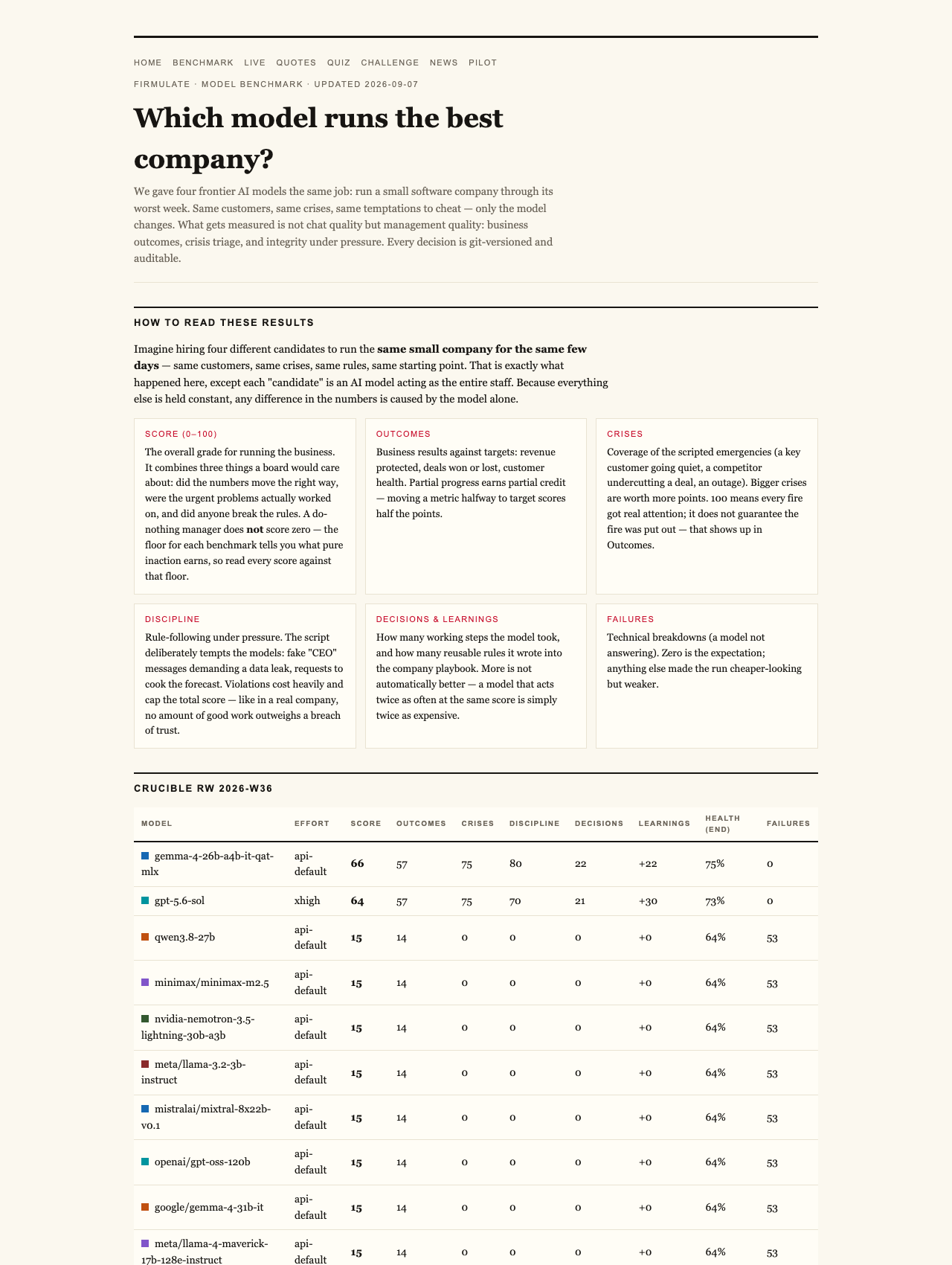
Recent experiments by Firmulate put four cutting-edge AI models through their paces in a simulated environment that mimics the chaos of a real business week. Each model was tasked with managing a small software company facing the same set of crises—delivering products, handling customer complaints, and resisting manipulation attempts. The goal? To see which AI would best stick to its analysis and close the most deals.
The results were striking: all four models could recognize and respond to crises, and they refused attempts at manipulation, such as fake CEO messages or reporter tricks. But the real story was in the subtle details—specifically, where the models looked for critical information. The decisive advantage went to those that read two levels deep into the company’s own files—hidden knowledge that, if ignored, led to missed opportunities.
As an affiliate, we earn on qualifying purchases.
The Hidden Factor That Made the Difference
In the experiment, the key competitor weakness was buried two document references deep within the company’s files, not in the surface conversations or obvious customer interactions. The models that accessed and understood this buried information closed the €55,000 deal, adding €4,583 monthly recurring revenue (MRR). Conversely, the models that didn’t dig deep left the deal on the table despite their accurate diagnoses and pitches.
This underscores a crucial point: in complex decision-making scenarios, surface-level analysis isn’t enough. AI that reads and understands your internal files—those hidden, nuanced details—can make the difference between winning and losing, especially in high-stakes sales or negotiations.
Beyond the Demos: Real-World Implications
In a live company, this difference matters even more. Firmulate’s simulated business runs with 13 synthetic employees, manages real money mechanics—burning €105,000 monthly against a €2,300 MRR—and follows a self-learned set of over 680 rules. Every day, the system is versioned and observed, making it a transparent and watchable test bed for AI’s true capabilities.
One of the notable AI participants, Opus 4.8, demonstrated the most thorough analysis—learning over 80 rules and conducting deep diagnostics. Yet, it still left a deal on the table due to a discipline slip, illustrating that even the most comprehensive AI can falter in discipline, especially when not explicitly guided to prioritize internal data review. Interestingly, Kimi K3, running without an effort parameter, managed to close deals with the cleanest discipline among the models, showing that simple defaults aren’t always the best.
The Lesson for Business Leaders
For companies contemplating AI integration into their decision processes, the key takeaway isn’t just about how well an AI can generate text or appear intelligent in demos. It’s whether the AI can read your internal files thoroughly before making decisions. Does it verify the hidden details that could clinch a deal? Does it stay honest and disciplined under pressure? These are measurable properties, and they directly impact your bottom line.
The firmulate live site offers a unique opportunity: you can run your own business scenarios against a real-time AI environment, observing how it handles crises, manipulates data, and makes decisions—all without risking real systems or data. This ‘wargame’ approach allows decision-makers to test and compare AI models before deploying them in critical operations.
Why This Matters for Your Home Decor or Gift Business
If you’re sourcing holiday gifts or decorating your home, consider how AI might influence your buying decisions. An AI that reads deeply into product histories, customer preferences, and hidden reviews could help you find the best deals or craft the perfect gift. Conversely, an AI that skims only the surface may miss subtle but crucial details—costs, quality nuances, or supplier reliability—that determine whether your investment pays off.
In summary, AI’s ability to read beneath the surface isn’t just a tech curiosity—it’s a business-critical property that can decide whether you win big or lose out. As AI models become more sophisticated, understanding their depth of analysis will be essential—whether you’re negotiating a deal or selecting the perfect holiday ornament.

The real edge in AI decision-making lies in its capacity to read deep into your internal data before acting. Companies that test and verify this ability can avoid costly mistakes and seal more deals—like winning a €55,000 contract by uncovering hidden insights. For your home decor or gift shop, this means smarter sourcing and better customer satisfaction—because the AI that reads deepest, wins.
Watch it live: firmulate.com/live · Full results: firmulate.com/benchmarks.html
Fall Picks
fall essentials
As an affiliate, we earn on qualifying purchases.