TL;DR
Composting and burying are practical ways to recycle untreated Halloween pumpkins, but experts recommend cutting them into small pieces first. Remove candles and other nonorganic materials, keep painted or glittered pumpkins out of compost, and check local rules before using a yard-waste bin.
After Halloween, untreated pumpkins can be composted, buried in a garden or diverted to some farms and worm farms, according to gardening and composting experts. They advise cutting pumpkins into smaller pieces, removing candles and other nonorganic materials, and avoiding leaving rotting fruit out for wildlife.

Get decor and gifts delivered free with Prime
- Fast, free delivery on millions of items
- Prime Video, Amazon Music and more included
- Member-only deals all year
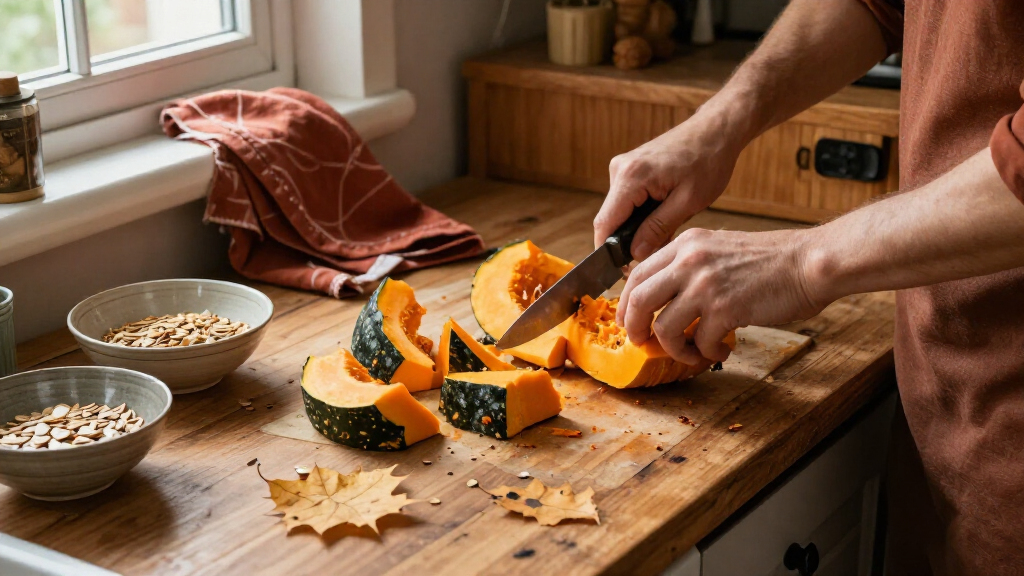
Chopping pumpkins before composting helps them break down and reduces the risk of a wet, airless compost heap. UK gardener David Denyer said a whole pumpkin’s thick rind and high water content can make it decompose slowly and leave a heap slimy or anaerobic. Composting expert Lauren Click said moldy pumpkins can also be composted, provided they have not been treated with chemicals and contain no paint, glitter or candle residue.
Other options include asking local farms or animal rescues whether they accept pumpkins for livestock feed, or taking them to a worm farm. Click said she chops pumpkins for her indoor worm-composting system; worm farmer Scott Kent said composting worms such as red wigglers consume pumpkins and produce castings. Availability and acceptance depend on the individual farm or facility.
At home, Denyer recommends cutting pumpkins into chunks and burying them in a garden, where they can break down below the surface. He cautions against simply leaving them on top of garden soil: pumpkins’ water and sugar can form a slimy layer that traps moisture and limits air around plant roots, potentially encouraging fungal problems. Seeds can be roasted, and an uncarved rind can be reused briefly as a planter, though those options do not replace appropriate disposal of the remaining pumpkin.
What to do with pumpkins after Halloween
Untreated pumpkins can be composted or buried. The right preparation keeps decorations out of organic waste and helps pumpkins break down.
Choose a suitable route
Options depend on your pumpkin and what local facilities accept.
Compost or bury
Cut untreated pumpkins into small pieces before composting or burying them in a garden.
Ask a local facility
Contact farms, animal rescues or worm farms to check whether they accept pumpkins.
Prepare it first
Separate the organic pumpkin from decorations before disposal.
Take out candles, wax, metal and plastic.
Keep painted or glittered pumpkins out of compost, especially if the materials are unknown.
Smaller pieces break down more readily than a whole pumpkin.
Why chopping matters
A whole pumpkin can break down slowly and affect the compost heap.
- Thick rind and high water content slow decomposition.
- Can leave compost slimy and airless.
- Break down more readily in compost.
- Can be buried below the garden surface.
Avoid common disposal mistakes
| Option | Guidance |
|---|---|
| Leave outside for wildlife | Experts advise against it; rotting pumpkins may make animals unwell. |
| Put in yard-waste bin | Check local rules and remove nonorganic materials first. |
| Leave on garden soil | A slimy layer can hold moisture around plant roots. |
Keep Rotting Pumpkins Out of Trouble
How a pumpkin is discarded affects more than household tidiness. Paint, glitter, plastic, wax and metal can contaminate compost or organic-waste streams, while a whole pumpkin can decompose poorly in a compost pile. Choosing a suitable route keeps usable organic material out of general disposal where alternatives are available and helps avoid adding unwanted materials to soil.
Leaving pumpkins outdoors for wildlife is not a reliable substitute. Denyer warns that mold and acidity in rotting pumpkins can make some animals unwell, while Click raises the risk of attracting wildlife to places where it may be harmed. The advice is to use a designated composting or disposal option rather than treating a pumpkin as food for wild animals.
Popular right now

Dyson Ball Animal 3 Upright Corded Vacuum

Vitamix VX1 Professional-Grade Blender, 64 oz, Black

iRobot Roomba 105 Combo Robot Vacuum & Mop with AutoEmpty Dock
As an affiliate, we earn on qualifying purchases.
From Halloween Display to Organic Waste
The jack-o’-lantern tradition brought to North America by Irish and Scottish immigrants used carved turnips; pumpkins became popular after migration because they were readily available and made a more dramatic lantern. The practice has grown, leaving households and communities to deal with large amounts of seasonal organic waste after Halloween.
The source material cites Click estimating that one billion pumpkins are discarded, but gives no measurement method, geography or time period for that figure. It should be treated as her estimate, not as a verified annual count. The practical guidance is more specific: separate organic pumpkin from decorations and check local waste rules before disposal.
“There are many ways to compost a pumpkin.”
— Lauren Click, founder and executive director of Let’s Go Compost
Local Rules and Pumpkin Treatments
Yard-waste rules vary by community, and the source does not identify specific local programs or collection schedules. Residents should check with their waste provider before putting pumpkins in a yard-waste bin. If a pumpkin is painted, glittered or otherwise decorated, its suitability for composting depends on the materials; when those materials are unknown, experts advise keeping it out of compost.
Acceptance by farms, animal rescues and worm farms is also not guaranteed. The source provides no universal collection network, and it does not give a single decomposition time that applies to every pumpkin. How quickly pieces break down depends on conditions such as temperature and moisture.
Check Disposal Options Nearby
Before disposing of a pumpkin, remove the candle, wax, metal and any plastic decorations. For an untreated pumpkin, households can cut it into small pieces and use an appropriate home compost system, bury it in a garden, or contact a local farm or worm farm to ask whether it accepts pumpkins. Check municipal guidance before using yard waste or general trash, especially for painted pumpkins.
As seasonal collections and local rules differ, the next step for residents is to confirm what their community accepts. Where no suitable collection is available, burying chopped, untreated pumpkin may be an option if the household has a garden and can do so without piling it against plants.
Key Questions
Can Halloween pumpkins go in compost?
Yes, if they are untreated and free of paint, glitter, plastic, wax and metal candle residue. Chop them into smaller pieces first rather than adding a whole pumpkin to the heap.
Can I leave an old pumpkin outside for wildlife?
Experts advise against it. Rotting or moldy pumpkins may make wildlife unwell, and feeding them can attract animals to places where they may be at risk.
Are painted pumpkins compostable?
Generally, painted pumpkins should stay out of compost, particularly when the paint type is unknown. Paint that is safe for children is not automatically safe for soil or compost.
Can I put a pumpkin in my yard-waste bin?
It depends on local rules. Check with your municipality or waste provider first, and remove candles and other nonorganic materials if pumpkins are accepted.
Can I bury a pumpkin in my garden?
Denyer recommends cutting an untreated pumpkin into chunks and burying them so they can decompose below the surface. Avoid leaving a whole pumpkin or a thick layer of pumpkin on top of the soil, where it may become slimy and hold moisture around plant roots.
Source: familyhandyman.com