
TL;DR

Get decor and gifts delivered free with Prime
- Fast, free delivery on millions of items
- Prime Video, Amazon Music and more included
- Member-only deals all year
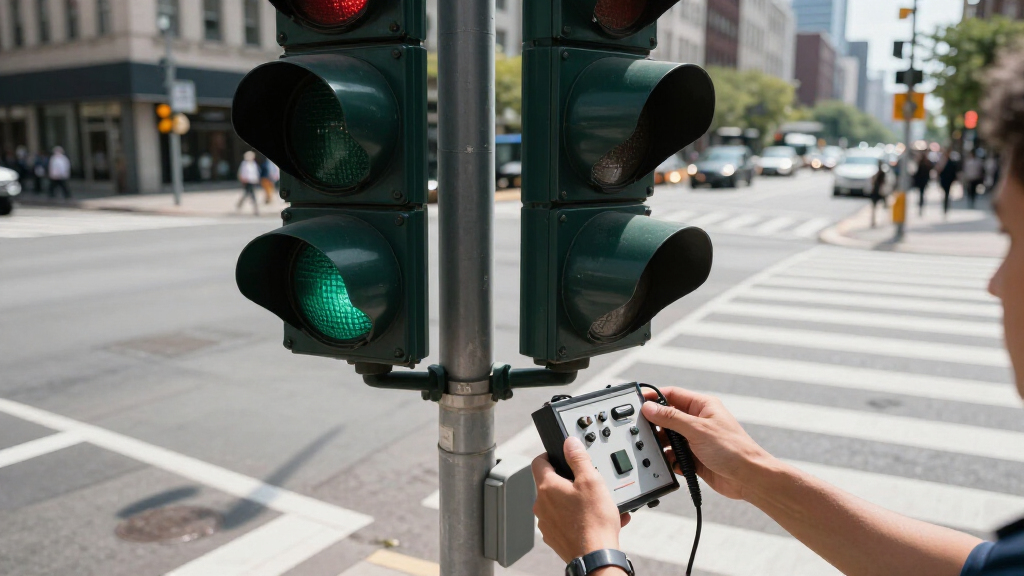
Starting this Sunday, September 20, Bogotá will activate a new traffic light system at the roundabout on 63rd Street and Carrera 50. The change aims to enhance traffic management and safety. Details about the system’s features and impact are still emerging.
On Sunday, September 20, a new traffic light system will be activated at the roundabout on 63rd Street and Carrera 50 in Bogotá. The city authorities confirmed this development, aiming to improve traffic flow and safety at a busy intersection that has long experienced congestion and vehicle conflicts. This marks a significant update in Bogotá’s traffic management infrastructure, with officials emphasizing the potential benefits for drivers and pedestrians alike.
The Bogotá Department of Mobility announced that the new traffic light system will be operational starting this Sunday, September 20, at the roundabout located at the intersection of 63rd Street and Carrera 50. The system is designed to regulate vehicle movement more effectively, reducing congestion during peak hours and minimizing accidents caused by unclear right-of-way rules. The implementation is part of the city’s broader efforts to modernize traffic infrastructure and improve urban mobility.
According to official sources, the new traffic lights will include sensors to detect vehicle presence and adapt signal timing accordingly. This technology aims to optimize traffic flow, especially during high-traffic periods. The city has not yet released detailed specifications or the expected impact metrics but emphasizes that the system is intended to enhance safety for both drivers and pedestrians.
Local residents and commuters have expressed mixed reactions. Some welcome the change, citing hopes for smoother traffic, while others have concerns about potential confusion during the initial rollout. The Bogotá Department of Mobility has assured the public that signage and public information campaigns will accompany the system’s activation to facilitate a smooth transition.
Implications for Traffic Efficiency and Safety in Bogotá
The activation of the new traffic light system at this busy intersection is expected to significantly impact Bogotá’s traffic management. If successful, it could serve as a model for upgrading other congested areas across the city. Improved traffic flow may reduce congestion during rush hours, decreasing commute times and vehicle emissions. Additionally, better regulation at the roundabout should lower the risk of accidents, protecting both drivers and pedestrians.
City officials highlight that modern traffic control systems are vital in addressing Bogotá’s growing urban mobility challenges. The new system aligns with the city’s strategic plans to incorporate intelligent transportation solutions, aiming for a safer, more efficient transportation network. However, the actual impact will depend on how well the system functions once fully operational and how drivers adapt to the new signals.
As an affiliate, we earn on qualifying purchases.
Background on Bogotá’s Traffic Management Initiatives
Bogotá has been actively working to improve its traffic infrastructure amid increasing congestion and urban growth. Over recent years, the city has introduced various measures, including new traffic signals, dedicated bus lanes, and traffic calming projects. The roundabout at 63rd Street and Carrera 50 has historically been a problematic area due to frequent congestion and accidents, prompting authorities to seek technological solutions.
The city’s push towards smart traffic systems has gained momentum, with pilot projects and phased rollouts in several key intersections. The recent announcement about the new traffic light system aligns with Bogotá’s broader strategy to modernize its transportation network using sensor-based, adaptive traffic control technology. While the city has not disclosed the full scope of this specific project, it fits within the trend of adopting smarter, more responsive traffic management tools.
Previous efforts to address congestion in this area involved signage improvements and minor signal adjustments, but these measures proved insufficient during peak times. The new system aims to provide a more comprehensive and adaptive approach, leveraging technology to respond dynamically to real-time traffic conditions.
Unconfirmed Details About System Capabilities and Impact
It remains unclear how quickly the new traffic light system will be fully integrated and whether it will deliver the anticipated improvements in congestion and safety. The city has not released detailed technical specifications or performance metrics, and early public reactions suggest some uncertainty about how drivers will adapt to the new signals. Additionally, it is not yet confirmed whether the system will be expanded to other intersections or remain limited to this location.
Questions also exist about the system’s resilience to technical malfunctions or sensor failures, which could temporarily disrupt traffic flow. The city’s communication plans for addressing potential issues during the initial rollout are still not fully detailed.
Monitoring and Evaluating the System’s Performance Post-Launch
Following the activation on September 20, authorities will monitor the system’s performance closely, collecting data on traffic flow and accident rates. An initial review is expected within the first month to determine if adjustments are needed. The city has also indicated that public feedback will be gathered to address any operational concerns.
Further updates on the system’s effectiveness, potential expansions, or technical issues are anticipated in the coming months. The Department of Mobility has committed to transparency and will provide periodic reports on the system’s impact and any necessary improvements.
Key Questions
What is the main purpose of the new traffic light system?
The system aims to improve traffic flow, reduce congestion, and enhance safety at the busy roundabout on 63rd Street and Carrera 50.
Will the new system be tested before full activation?
Officially, the system is scheduled for activation on September 20. It is not yet confirmed if a testing phase will occur beforehand, but authorities plan to monitor its performance immediately after activation.
Could this system be expanded to other intersections?
While the current plan is to implement it at this specific roundabout, officials have indicated that successful results could lead to broader deployment across Bogotá’s traffic network.
What should drivers expect during the transition period?
Drivers should anticipate some initial adjustments as they familiarize themselves with the new signals. The city has announced signage and public information campaigns to assist during the rollout.
Are there any safety concerns associated with the new system?
Any new traffic control system carries potential risks during initial implementation, such as technical malfunctions. Authorities will monitor the system closely to address any issues promptly.
Source: local
Halloween Picks
halloween
As an affiliate, we earn on qualifying purchases.