Across many cultures, people believe that whistling at night can summon spirits, misfortune, or negative energy. This superstition stems from ancient fears of supernatural beings like spirits, jinn, or ghosts that are thought to be attracted by sound. Nighttime amplifies feelings of vulnerability, so warnings against whistling serve as a way to avoid unseen dangers. If you keep exploring, you’ll discover how these beliefs reflect shared human fears and the power of tradition.
Key Takeaways
- Historically, whistling at night was believed to attract evil spirits or mischievous entities across many cultures.
- The superstition originated from ancient fears of supernatural forces that thrived in darkness and silence.
- Cultural variations link whistling at night to summoning ghosts, spirits, or negative energy.
- The belief serves as a psychological safety measure, aiming to prevent misfortune or supernatural disturbance.
- Despite modern skepticism, the superstition persists worldwide, reflecting deep-rooted fears of the unknown during nighttime.
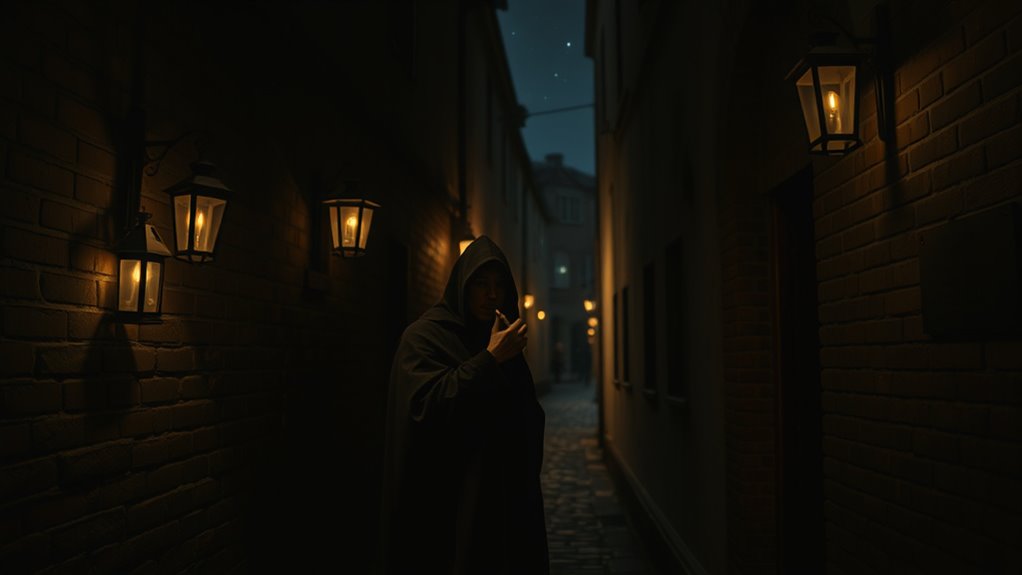
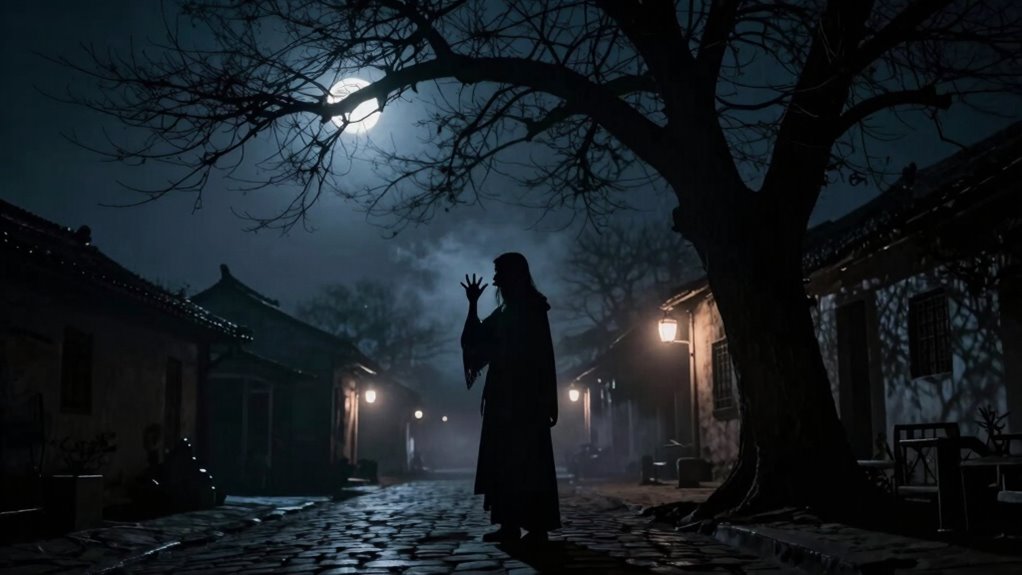
Many cultures believe that whistling at night can invite trouble or supernatural forces. This belief isn’t just a random superstition; it has deep-rooted origins and varies across different societies. The superstition origins of why people caution against whistling after dark often trace back to ancient times when communities relied heavily on oral traditions and shared stories to explain the unknown. In some cultures, whistling was thought to attract evil spirits or mischievous entities that thrived when the world was quiet and dark. These spirits, believed to be restless or malevolent, could be drawn to the sound of whistling, leading to misfortune or even harm. Over generations, these stories transformed into a widespread belief that silence during the night helps avoid unwanted supernatural encounters.
Many cultures warn that whistling at night can attract spirits and misfortune.
Cultural variations add fascinating layers to this superstition. In many Middle Eastern and Mediterranean societies, whistling at night is considered dangerous because it’s believed to summon spirits or jinn, supernatural beings from Islamic folklore. Conversely, in some East Asian cultures, whistling at night is associated with attracting ghosts or restless souls, which can bring about bad luck or illness. In Latin American traditions, the superstition might be linked to avoiding attracting negative energy or spirits that could cause harm or misfortune. Meanwhile, in Western societies, particularly among older generations, the warning against whistling at night often stems from the idea that it might alert thieves or troublemakers, blending supernatural fears with practical concerns.
Despite these differences, the core idea remains similar: that sound, especially at a time when most are asleep, can disturb the spiritual dimension or invite danger. Many of these beliefs likely originated from a universal human instinct to seek safety and control over the unknown. When night falls and visibility diminishes, humans have historically felt more vulnerable, leading to superstitions designed to protect them from unseen threats. Over time, these fears fused with stories about spirits, ghosts, and supernatural forces, giving rise to the common warning: don’t whistle at night.
Today, many people dismiss these superstitions as old wives’ tales or cultural myths, but they still influence behavior in various parts of the world. Whether you believe in spirits or not, understanding the superstition origins and cultural variations behind “don’t whistle at night” reveals how deeply human fears and traditions are intertwined. It shows that even a simple act like whistling can carry layers of meaning, shaped by history, environment, and collective imagination.
Frequently Asked Questions
Are There Any Cultures That Encourage Whistling at Night?
Some cultures do encourage whistling at night, viewing it as a good omen or a way to ward off evil spirits. In certain regions, superstitions around noise are less strict, and whistling is seen as playful or even protective. These cultural taboos around noise vary widely, with some communities embracing night-time sounds, believing they bring luck, unlike others that see them as invitations for trouble.
What Are the Origins of This Superstition?
The superstition origins trace back to cultural beliefs that whistling at night attracts evil spirits or bad luck. Many societies believed that the sound mimicked communication with spirits or summoned unwanted entities. This fear led to the superstition, as people wanted to protect themselves from harm or misfortune. You might find that these cultural beliefs still influence local customs, reinforcing the idea that whistling after dark is best avoided.
Does Whistling at Night Have Any Real Danger?
Whistling at night isn’t actually dangerous, but superstition origins suggest it might attract evil spirits or bad luck. Cultural variations show that in some places, it’s believed to summon spirits or cause misfortune, while others see it as harmless. So, even if there’s no real danger, following this superstition might help you avoid unnecessary trouble or respect local beliefs during nighttime. It’s more about cultural respect than actual risk.
How Does This Superstition Vary Across Different Regions?
You’ll find that superstition variations about not whistling at night differ widely across regions. In some cultures, regional beliefs warn that whistling attracts evil spirits or bad luck, while others see it as a way to summon spirits or invite misfortune. These beliefs often stem from local folklore, emphasizing caution during nighttime, and show how diverse cultural superstitions can be, shaping behaviors and taboos worldwide.
Are There Modern Beliefs Related to Whistling at Night?
Did you know that nearly 60% of urban legends include warnings about whistling at night? Today, many believe that whistling can attract evil spirits or bad luck, rooted in folklore origins. Modern superstitions still warn against whistling after sunset, emphasizing that it might summon negative energies. These beliefs persist because they’re passed down through generations, blending old folklore with contemporary fears, keeping the superstition alive in everyday urban life.
Conclusion
So, next time you’re tempted to whistle after dark, remember there’s a gentle whisper of caution from around the world. It’s not just about superstition but about respecting the unseen stories woven into our nights. Sometimes, a quiet moment holds more magic than a fleeting tune. Embrace the silence when the stars are out; it’s in those hushed hours that mysteries softly unfold, reminding us to tread lightly where the night’s delicate secrets dwell.