
Japan’s ‘Hyakumonogatari’ is a traditional storytelling game where you experience a hundred ghost stories, connecting you to centuries of folklore. It’s more than just a game—it’s an immersive way to explore cultural heritage, morality, and the supernatural. Performed in dim lights with friends or family, it heightens senses and reinforces tradition through oral storytelling. If you keep exploring, you’ll uncover how this timeless practice reflects Japan’s rich cultural identity.
Key Takeaways
- Hyakumonogatari is a traditional Japanese storytelling game involving recounting 100 ghost stories (*kaidan*).
- It serves as a cultural practice that preserves folklore, morals, and societal values through oral tradition.
- Performances are immersive, often held in dimly lit settings to heighten the spooky atmosphere.
- The game connects participants with Japan’s rich cultural heritage and emphasizes storytelling techniques.
- It remains relevant today, fostering cultural continuity and shared communal experiences across generations.

Japan’s ‘Hyakumonogatari’ is a mesmerizing tradition rooted in centuries of storytelling and folklore. You might find yourself sitting in a dimly lit room, surrounded by friends or family, as the atmosphere thickens with anticipation. This tradition involves recounting one hundred ghost stories, or *kaidan*, a practice that has been passed down through generations. It’s more than just a game; it’s an immersive experience that connects you to Japan’s rich cultural heritage, illustrating how ghost storytelling remains an essential part of cultural traditions. As you listen or share these stories, you become part of a centuries-old ritual that blurs the line between the living and the spiritual world. The act of storytelling also often incorporates traditional performance techniques, which enhance the storytelling experience and preserve cultural artistry.
In the context of Japanese culture, ghost stories aren’t merely meant to scare. They serve as lessons, warnings, or reflections of societal values, often highlighting themes like respect for the dead, morality, and the unknown. During Hyakumonogatari, each story is carefully chosen to evoke a sense of mystery and wonder, yet many carry deeper meanings rooted in folklore and local legends. When you participate, you’re engaging in a communal act that reinforces cultural identity and preserves traditional narratives. This storytelling isn’t just about entertainment; it’s an act of cultural preservation that keeps these stories alive within the collective memory of the community.
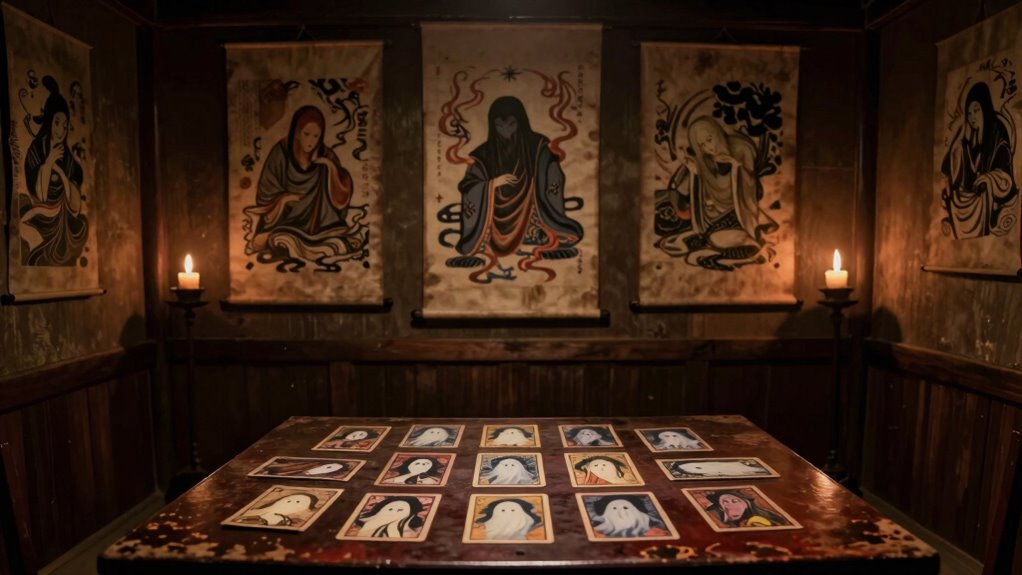
The act of recounting ghost stories in Hyakumonogatari also emphasizes the importance of oral tradition. When you tell a story, you’re not only passing along details but also embodying the voice of countless storytellers before you. The ritual of sharing these tales often happens during specific festivals or gatherings, where the setting—dim lights, flickering candles, or a quiet room—enhances the eerie atmosphere. This environment heightens your senses and makes the experience more visceral. As you listen to each story, your imagination is ignited, and you’re transported into a world where spirits and legends intertwine with everyday life.
Participating in Hyakumonogatari allows you to connect with Japan’s deep-rooted cultural traditions. It’s a way to honor the past while enjoying a shared moment of thrill and reflection. By recounting ghost stories, you’re not only entertaining yourself and others but also keeping alive the storytelling techniques and themes that define Japanese folklore. This tradition proves that ghost storytelling remains a powerful tool for cultural expression, uniting generations through the timeless allure of stories that haunt, teach, and inspire.
Frequently Asked Questions
How Did Hyakumonogatari Originate Historically?
You can trace the origins of hyakumonogatari to Japan’s rich folklore and storytelling traditions, where recounting ghost stories was a way to entertain and teach lessons. Historically, these stories were shared during festivals or gatherings, often around fires. This practice evolved into a structured game, emphasizing storytelling skills and fear, reinforcing cultural beliefs and preserving Japanese folklore through generations.
Are There Modern Adaptations of the Game Today?
Yes, there are modern adaptations of the Hyakumonogatari game today. You can find it in urban legends, storytelling events, and online platforms where people share ghost stories inspired by traditional Japanese folklore. These modern versions often include interactive elements, digital formats, or social media storytelling, keeping the tradition alive. If you’re into spooky tales, exploring these adaptations lets you experience this centuries-old storytelling tradition in new, engaging ways.
What Are the Rules for Playing Hyakumonogatari?
To play hyakumonogatari, you sit quietly in a dark room and take turns sharing traditional storytelling from supernatural folklore. You can start by reciting a ghost story, then pass the candle or light to the next person. The game continues as each person shares a new story, creating a spooky atmosphere. The goal is to keep the stories flowing, immersing everyone in the eerie, ghostly tales.
How Do Players Typically Feel During the Game?
As you immerse yourself in the game, you often feel a mix of superstitious anxiety and cultural fascination swirling inside you. Your heartbeat quickens like a fluttering bird as ghost stories weave through your mind. Some players feel a thrill, enthusiastic to test fate, while others sense the weight of tradition pressing down. This blend creates a hauntingly mesmerizing experience, pulling you into a world where fear and curiosity dance in the shadows.
Can Hyakumonogatari Be Played Alone or Only in Groups?
You can definitely play Hyakumonogatari solo if you prefer, but it’s more commonly enjoyed in group settings. Solo play allows you to focus on your own reactions and atmosphere, while group dynamics add excitement and shared tension. Whether alone or with others, the game creates a spooky experience, but playing with friends amplifies the thrill as everyone shares in the suspense and stories, making it a memorable, collective ghost story adventure.
Conclusion
As you explore Japan’s ‘Hyakumonogatari,’ you discover a tradition that’s captivated generations. Did you know that over 50,000 people have participated in these ghost story sessions? It’s incredible how this ritual continues to thrill and chill, blending history with folklore. Whether you’re a ghost story enthusiast or a curious traveler, this centuries-old game offers a unique glimpse into Japan’s rich supernatural culture. Plunge into—you might just find yourself haunted by a story of your own.