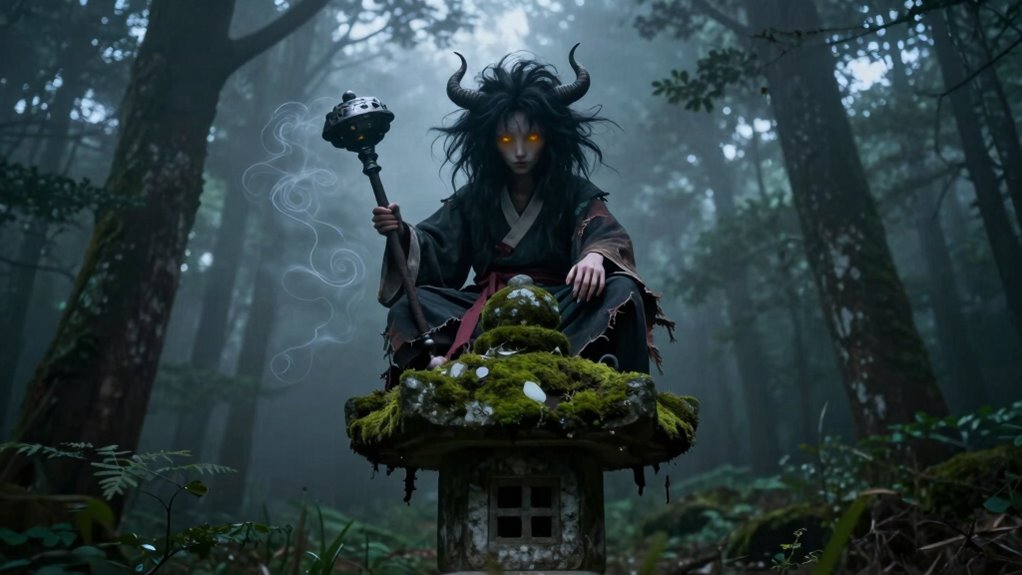

Dokkaebi are more than just mischievous goblins—they embody Korea’s rich cultural spirit through humor, mysticism, and deep values. Known for trickery, shape-shifting, and gift-giving, they symbolize good fortune, resilience, and justice. Modern stories keep their legends alive, blending tradition with entertainment that appeals to today’s audiences. If you want to discover how these playful spirits reflect Korea’s history and culture in surprising ways, keep exploring their fascinating world.

Get decor and gifts delivered free with Prime
- Fast, free delivery on millions of items
- Prime Video, Amazon Music and more included
- Member-only deals all year
Key Takeaways
- Dokkaebi are mischievous spirits with supernatural powers, known for shape-shifting and playful tricks in Korean folklore.
- They symbolize good luck, justice, and life’s unpredictability, reflecting deep cultural values.
- Modern stories exaggerate their features and powers, blending tradition with entertainment for contemporary audiences.
- They serve as cultural icons connecting Korea’s mythic past to present-day media, festivals, and art.
- Their legends emphasize resilience, humor, and cleverness, showcasing Korea’s rich storytelling heritage.
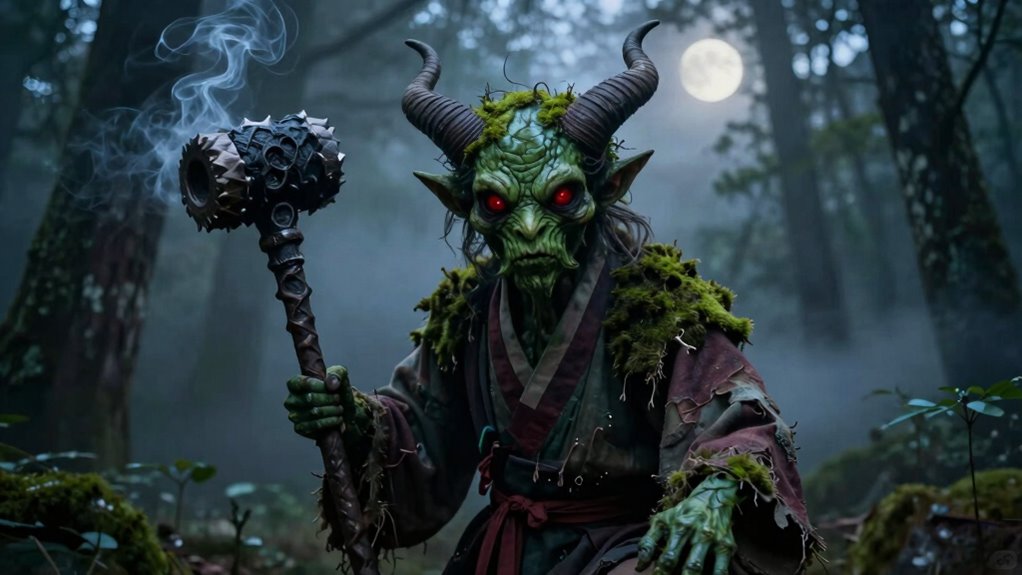
In Korean folklore, dokkaebi are mischievous yet fascinating goblin spirits that have captured imaginations for centuries. These legendary creatures are known for their playful tricks, mysterious powers, and quirky personalities. Over time, their stories have evolved beyond traditional tales, finding new life in modern adaptations that keep their spirit alive in contemporary culture. You might see dokkaebi in movies, TV dramas, or even web comics, where their mischievous nature is played up for humor or storytelling. These adaptations often portray them with exaggerated features or supernatural abilities, making them more relatable or entertaining for today’s audiences. Despite the shifts in how they’re depicted, the core essence remains: they’re tricksters with a sense of humor, but also bearers of cultural symbolism that reflects deeper values and beliefs. Their enduring presence in popular culture highlights how traditional folklore can be reimagined to resonate with new generations.
Culturally, dokkaebi symbolize more than just mischievous spirits; they embody a complex blend of good fortune, justice, and the unpredictable nature of life itself. In traditional stories, they’re often depicted as protectors or bringers of luck, especially when approached with respect and cleverness. Their ability to shape-shift or offer gifts signifies the importance of wit and resourcefulness in Korean culture. When you see dokkaebi in modern contexts, their role as cultural symbols continues to resonate. They remind people of the importance of humor, resilience, and cleverness in navigating life’s uncertainties. Their presence in festivals, art, and media underscores their significance as icons that connect the past to the present, serving as a reminder of Korea’s rich storytelling heritage. Interestingly, many modern interpretations highlight their cultural symbolism, emphasizing their significance beyond just mischief.
The way you see dokkaebi today reflects an intriguing blend of tradition and innovation. Through modern adaptations, these spirits have been reimagined to appeal to new generations, keeping their stories relevant and vibrant. Yet, their roots as cultural symbols remain intact, preserving the values and lessons embedded in their legends. Whether they’re mischievous tricksters or symbols of good luck, dokkaebi continue to be a captivating part of Korea’s cultural landscape. Their ability to adapt while maintaining their core identity is what makes their legends so enduring. So, as you explore their stories, remember that these goblin spirits are more than just folklore—they’re a living reflection of Korea’s history, humor, and the enduring power of myth.
As an affiliate, we earn on qualifying purchases.
Frequently Asked Questions
Are Dokkaebi Traditionally Considered Benevolent or Mischievous Spirits?
You might think dokkaebi are just mischievous spirits, but they actually have complex personality traits. They’re known for both playful, trickster behavior and acts of kindness, reflecting their cultural significance in Korea. While they enjoy playing pranks, they can also protect people or grant wishes. This dual nature makes them fascinating legends, embodying the idea that spirits aren’t strictly good or evil but have layered personalities.
How Do Dokkaebi Differ From Other Asian Folklore Goblins?
You’ll find that dokkaebi stand out from other Asian folklore goblins through their lively origin stories and playful nature. Unlike typical goblins, their traits include shape-shifting, mischievous humor, and a sense of justice. While some legends depict them as tricksters, others show them helping humans. This blend of traits makes dokkaebi uniquely charming, showing a cultural twist that sets them apart from their more sinister or purely mischievous counterparts.
What Are Some Modern Depictions of Dokkaebi in Korean Media?
In modern Korean media, you see dokkaebi portrayed with trendy dokkaebi fashion, blending traditional elements with contemporary styles. Shows like “Guardian: The Lonely and Great God” depict them as playful, mischievous characters, often with a humorous twist. These modern dokkaebi portrayals make them more relatable and stylish, emphasizing their supernatural charm while keeping their mischievous nature intact. It’s a fresh take that appeals to today’s audiences.
Do Dokkaebi Have Specific Rituals or Offerings in Korean Culture?
You might think dokkaebi are just playful spirits, but in Korean culture, they have specific rituals and offerings. During dokkaebi hunting, people leave ritual offerings like rice, alcohol, or fruit to honor these goblins and seek their favor. These offerings are believed to appease the dokkaebi, encouraging them to reveal hidden treasures or grant wishes, blending tradition with a touch of superstition that keeps their legends alive.
Are There Any Real Historical Figures Associated With Dokkaebi Legends?
You’ll find no real historical figures directly linked to dokkaebi legends, as they’re rooted in mythical origins and cultural symbolism. These goblins symbolize protection, mischief, and good fortune in Korean folklore, often embodying human traits or natural elements. While no specific person is associated with their origins, their stories have been passed down through generations, highlighting their significance in Korea’s cultural heritage and mythical storytelling traditions.
Conclusion
So, next time you hear about dokkaebi, remember—they’re not just your average mischievous goblins. These legends are so bizarre and wild that they make your craziest stories seem tame. Think they’re just folklore? Nope, they’re the ultimate supernatural pranksters, capable of bending reality itself! If you thought Korea’s goblins were weird before, prepare for your mind to be utterly blown. These legends are the weirdest, coolest, most mind-bending tales you’ll ever encounter!
Halloween Picks
halloween
As an affiliate, we earn on qualifying purchases.