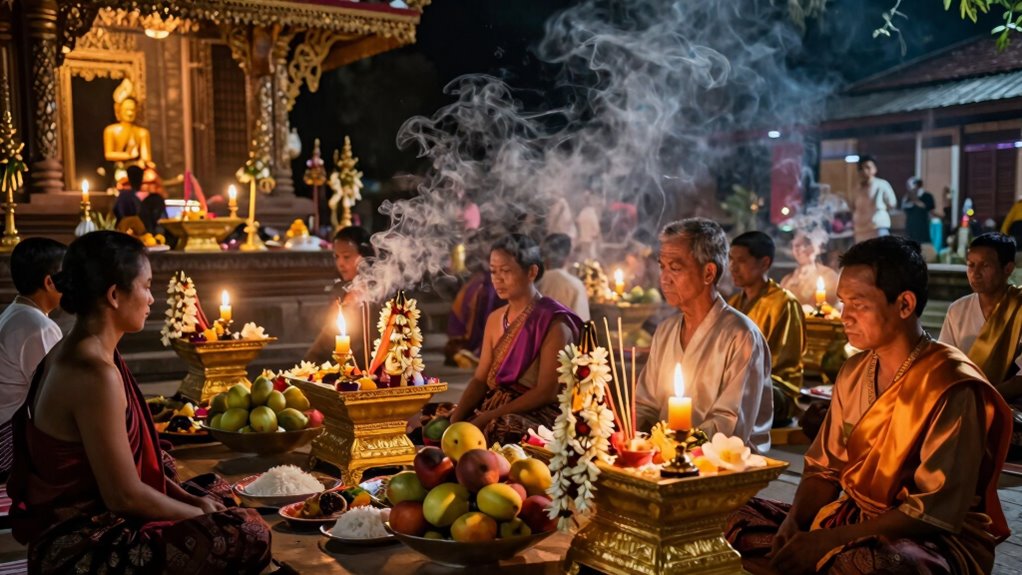

Cambodia’s Pchum Ben is a powerful ‘ghost season’ where you celebrate ancestors, connect spiritually, and honor the dead through rituals at pagodas. Families offer food, incense, and prayers, seeking blessings and peace for spirits. The festival fosters community unity and deepens respect for Cambodia’s rich cultural heritage. If you want to understand how this sacred tradition sustains spiritual harmony, there’s much more to discover about its history and significance.

Get decor and gifts delivered free — and shop member deals
- Fast, free delivery on millions of items
- Access to Prime Big Deal Days deals on October 6–7
- Prime Video, Amazon Music and more included
Key Takeaways
- Pchum Ben is a spiritual festival honoring ancestors and inviting spirits to return for remembrance and blessings.
- Rituals include offerings, prayers, and ceremonies at pagodas led by monks to guide spirits.
- The festival fosters community unity and deepens cultural appreciation through shared reverence.
- It symbolizes cleansing the soul, dispelling negative energies, and ensuring ancestral peace.
- Pchum Ben connects Cambodians to their spiritual heritage, emphasizing respect for ancestors and spiritual harmony.
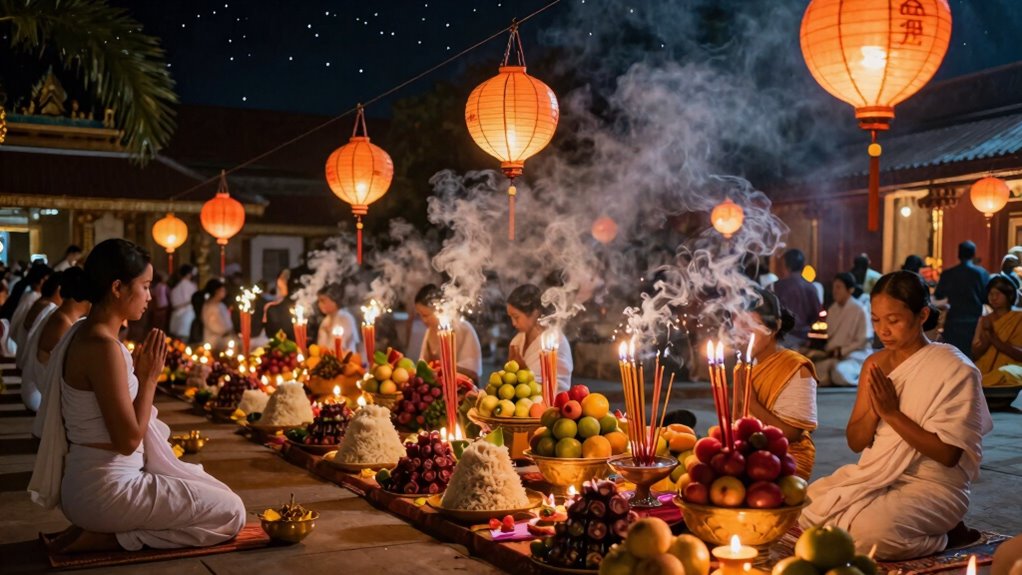
Every year, Cambodians celebrate Pchum Ben, a deeply spiritual festival honoring their ancestors and offering them prayers and food. This special time marks a period when the veil between the living and the dead is believed to thin, allowing spirits to return and be remembered. During Pchum Ben, you’re encouraged to participate in ancient rituals that have been passed down through generations. These rituals often involve visiting pagodas, presenting spiritual offerings, and performing ceremonies that pay respect to those who came before you. The purpose is to guarantee the spirits find peace and to seek blessings for the living.
Cambodians honor ancestors through prayers, offerings, and rituals during Pchum Ben, a sacred festival of remembrance and spiritual connection.
As you observe the festivities, you’ll notice that the core of Pchum Ben revolves around offering spiritual offerings—food, incense, and prayers—to ancestors’ spirits. These offerings are carefully prepared, often consisting of traditional Cambodian dishes, which symbolize respect and gratitude. You’ll see families gathering at pagodas, where monks lead prayers and chants designed to guide the spirits. The act of making these offerings isn’t just about tradition; it’s a meaningful way to connect with your heritage and show reverence to your ancestors. You may even participate in reciting prayers or lighting candles, which symbolize enlightenment and remembrance.
The ancient rituals performed during Pchum Ben are rooted in Cambodia’s rich spiritual history. Many of these ceremonies involve specific gestures, chants, and symbolic actions designed to honor the spirits and invoke their blessings. You might witness monks performing rituals that date back centuries, reflecting Cambodia’s deep spiritual traditions. These rituals are believed to purify the soul, dispel negative energies, and bring harmony to both the spirits and the living. Engaging in these practices helps strengthen spiritual bonds, which are considered vital for maintaining harmony between the living and the dead. Additionally, understanding the significance of spiritual offerings can deepen your appreciation for the cultural heritage behind these customs. Recognizing the cultural significance of these rituals allows participants to truly appreciate their importance beyond mere tradition. By engaging in these practices, you’re partaking in a sacred cycle of remembrance and respect that sustains the cultural fabric of Cambodia.
Participating in Pchum Ben also offers an opportunity to learn about Cambodia’s spiritual history, which is deeply intertwined with its cultural identity and traditions. During the festival, you’ll also see a sense of communal unity as families and communities come together. It’s a time to reflect on your ancestors’ lives, express gratitude, and seek their protection. The atmosphere is often marked by solemnity and reverence, but it’s also filled with hope and spiritual serenity. Participating in Pchum Ben helps you reconnect with Cambodia’s ancient spiritual customs, deepening your understanding of its cultural identity. It’s more than just a festival; it’s a powerful reminder of the enduring bond between the living and the dead, maintained through rituals and heartfelt offerings that have stood the test of time.
incense sticks for spiritual rituals
As an affiliate, we earn on qualifying purchases.
As an affiliate, we earn on qualifying purchases.
Frequently Asked Questions
How Long Does Pchum Ben Last Each Year?
Pchum Ben lasts for 15 days each year, a period rooted in Cambodia’s historical origins. During this time, you participate in modern celebrations that honor ancestors and spirits. You’ll notice offerings and prayers fill the air as families gather to remember loved ones. The festival’s length allows you to reflect on your heritage, blending ancient traditions with contemporary practices, making it a meaningful and spiritual experience across the entire duration.
Are There Specific Foods Associated With Pchum Ben?
During Pchum Ben, you’ll find traditional offerings like rice, fruits, and sweets laid out during rituals. Some people also observe ritual fasting, refraining from certain foods to honor ancestors. These foods play an essential role in the ceremonies, symbolizing respect and remembrance. By participating, you connect with the spiritual traditions, honoring the spirits of loved ones while engaging in meaningful cultural practices.
Can Non-Cambodians Participate in Pchum Ben Rituals?
Yes, you can participate in Pchum Ben rituals, but you should be mindful of cultural sensitivities. Tourist participation is often welcomed, especially during public ceremonies, but approach with respect and humility. Observe local customs, follow guidance from monks or locals, and avoid disruptive behaviors. By showing genuine interest and respect, you can have a meaningful experience while honoring Cambodia’s traditions during this important ghost season.
What Are the Main Symbols Used During Pchum Ben?
During Pchum Ben, you’ll see main symbols like ancestor offerings and traditional prayers. You can participate by offering food, incense, or flowers to honor your ancestors. Traditional prayers are recited to invite spirits and show respect. These symbols help connect the living with the spirits of the deceased, creating a heartfelt atmosphere. Embracing these customs allows you to deeply engage with the spiritual significance of this meaningful season.
How Has Pchum Ben Evolved Over Recent Decades?
You’ve likely noticed how Pchum Ben has progressed profoundly over past decades, blending tradition with transformation. Today, people participate more actively in ancestral veneration, presenting spiritual offerings with renewed reverence. Modern practices include community gatherings and digital donations, making the memorials more accessible. Despite evolving, the core remains: honoring ancestors, fostering family bonds, and fueling faith, ensuring that this sacred season continues to strengthen spiritual connections across Cambodia’s communities.
Conclusion
So, next time you hear about Pchum Ben, don’t dismiss it as just another spooky holiday. It’s Cambodia’s way of saying, “Hey, spirits, don’t forget us!” You might find it a tad eerie, but hey, who needs ghost stories when you’ve got ancestors knocking on your door? Embrace the ghost season — after all, it’s the only time your family’s spirits get a proper reunion, and you get to pretend you’re not secretly terrified.
Fall Picks
fall essentials
As an affiliate, we earn on qualifying purchases.